Industrial Oven Engineering Guides

Technical guides for manufacturers evaluating industrial oven airflow design, temperature uniformity, chamber sizing, loading clearance, heating performance, safety controls, ventilation, and process reliability. These engineering resources help buyers understand how oven design decisions affect production quality, efficiency, and long-term operation.
Site Search

Recommended Guides

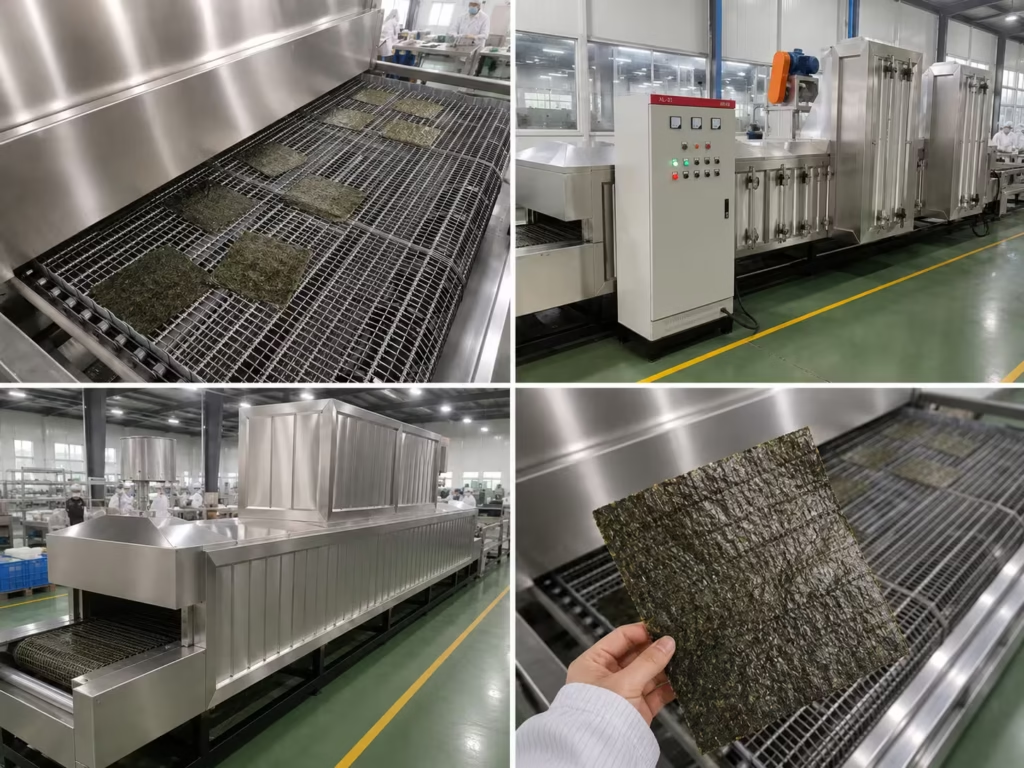
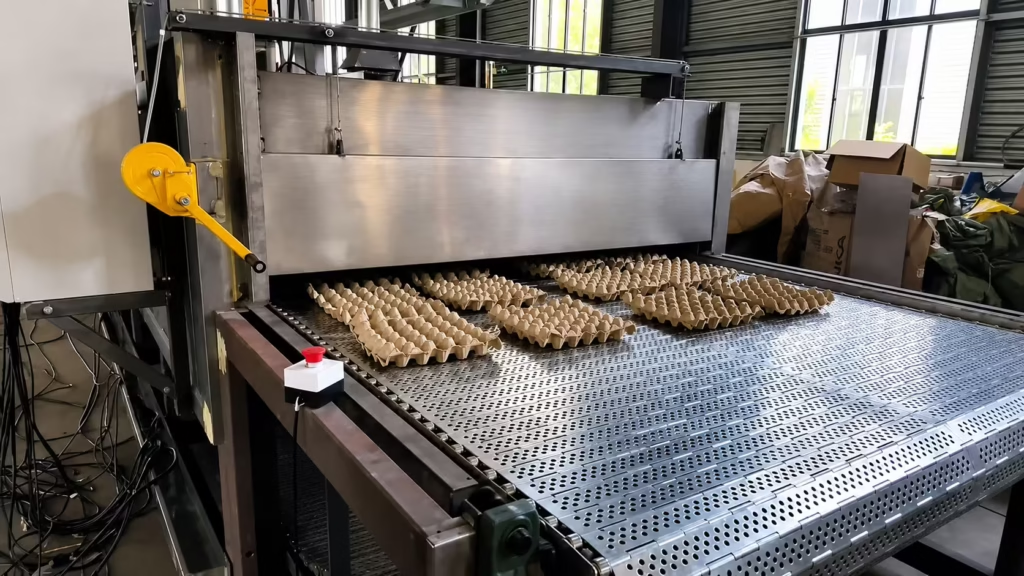
Gas-fired conveyor drying oven used for continuous drying of molded pulp egg trays and paper pulp packaging products.

Belt Speed and Residence Time

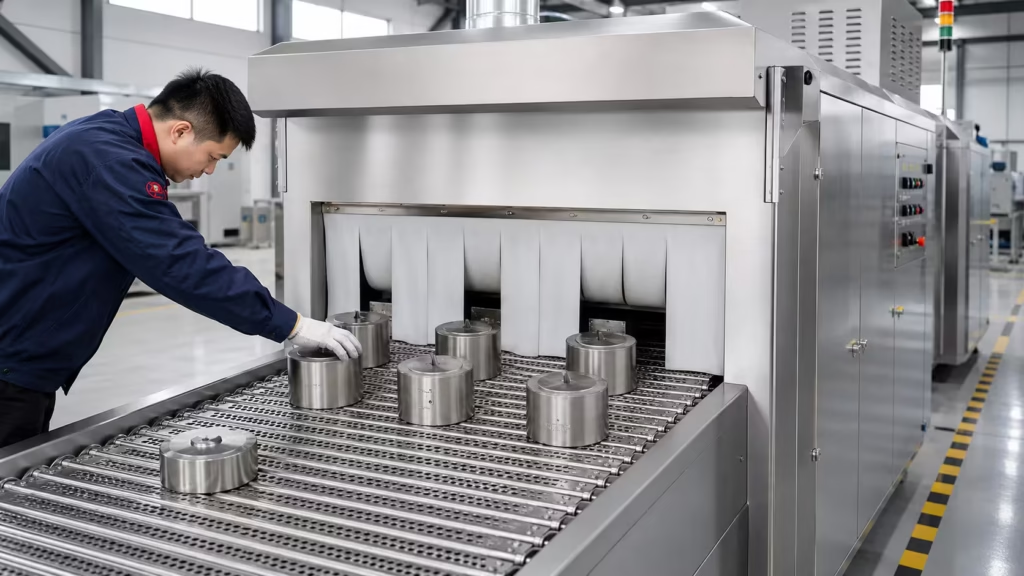
Worker inspecting metal parts on a heavy-duty conveyor oven system

Mesh Belt vs Chain Conveyor Oven

Close-up view of a stainless steel mesh belt inside an industrial conveyor oven

Batch Oven vs Conveyor Oven

Related Case Studies

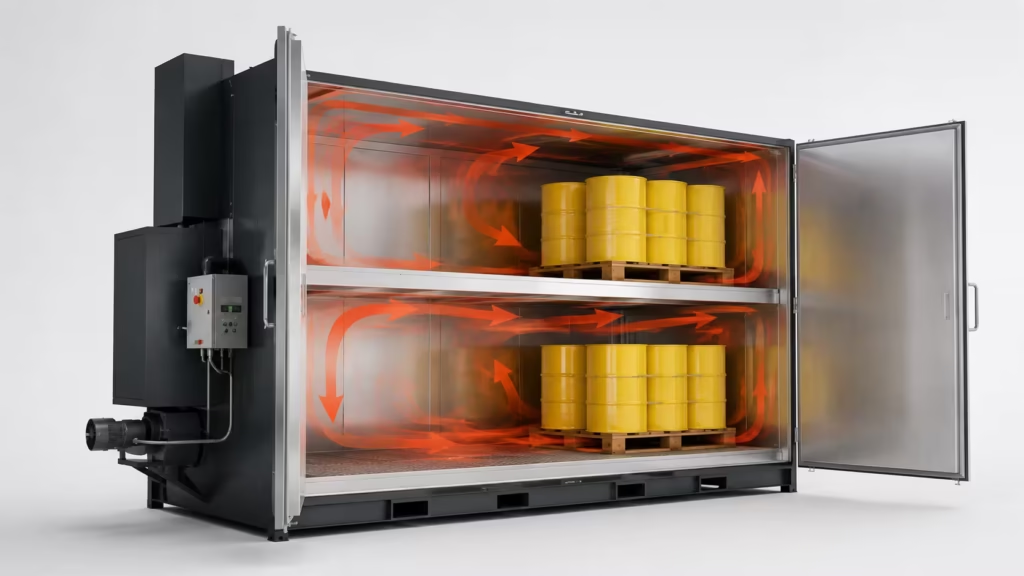
chemical storage hot box project

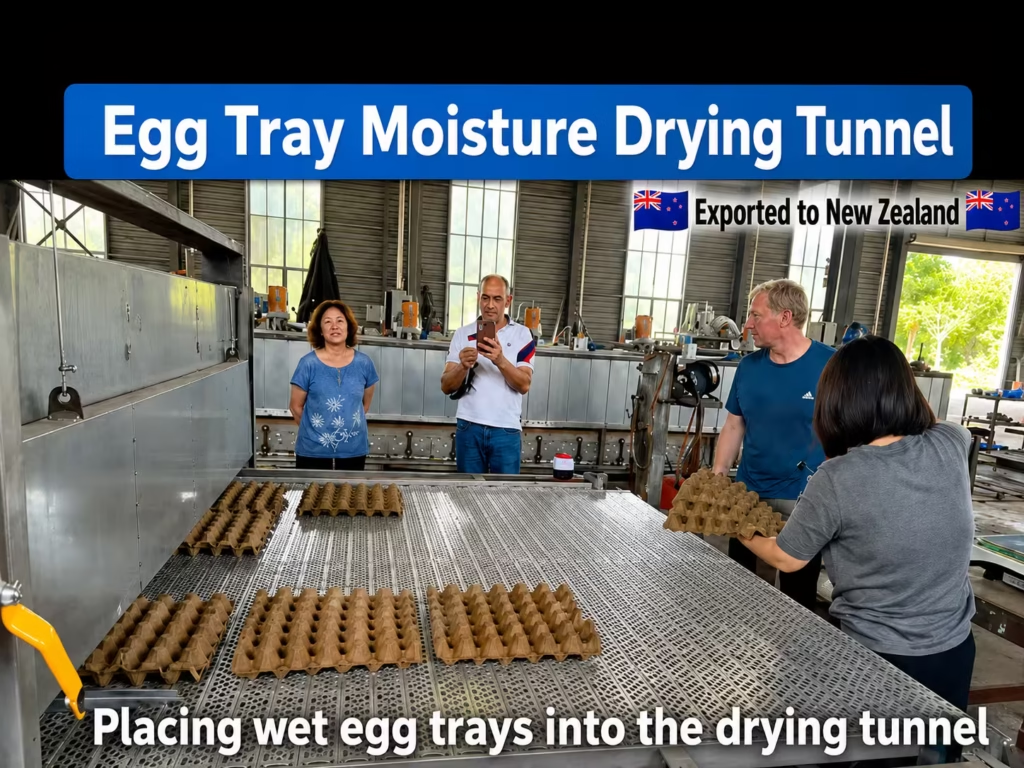
Workers placing wet molded pulp egg trays onto a gas-fired conveyor drying tunnel for continuous drying

Egg Tray Drying Oven

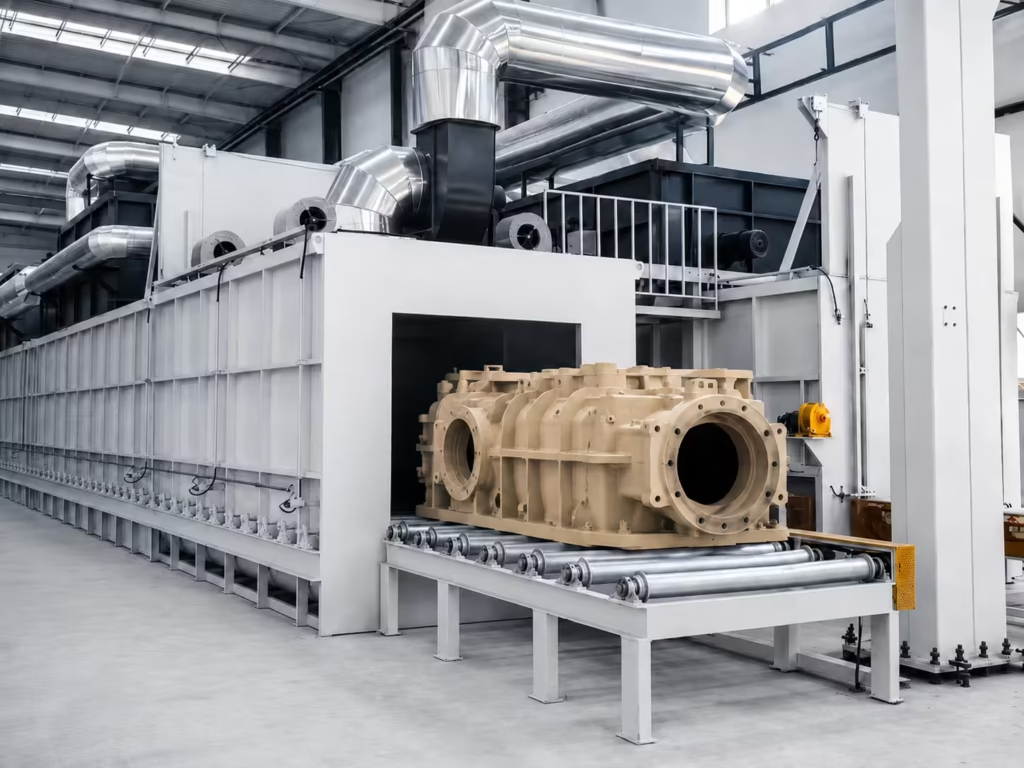
Dual-belt sand core drying oven for Turkish foundry production

Sand Core Drying Oven Case Study

Connect With Us

Need Help Choosing an Oven?

Send your part size, loading method, temperature range, and process requirement. ZonHoo can help review oven type, chamber size, airflow layout, and control options before quotation.
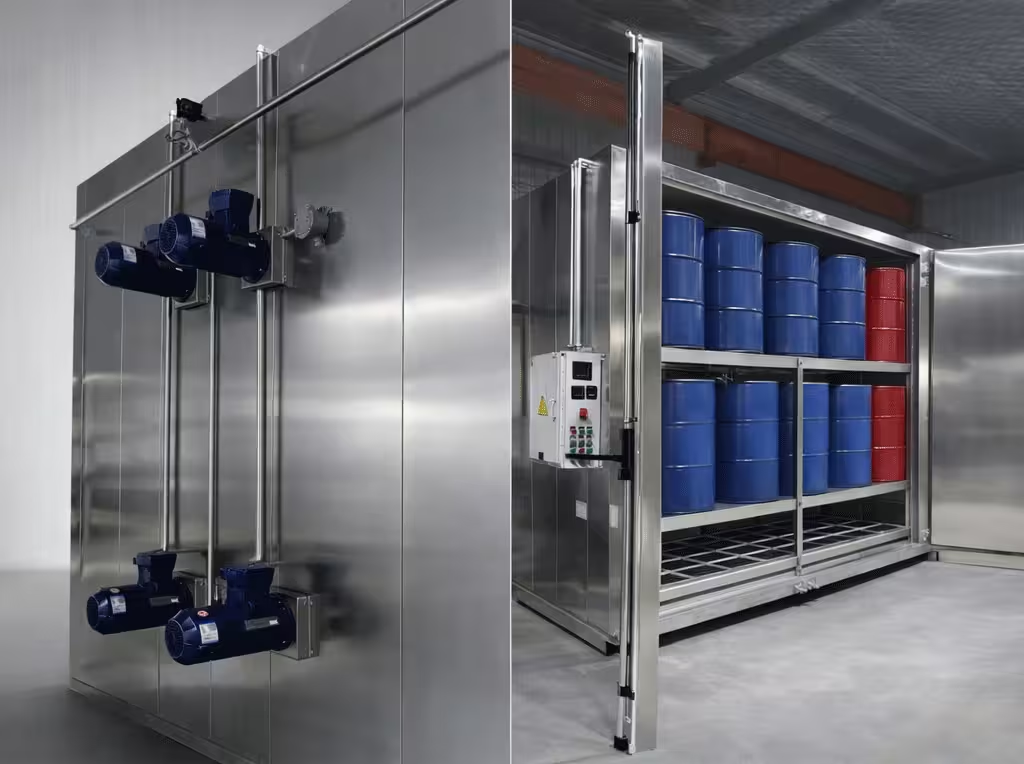
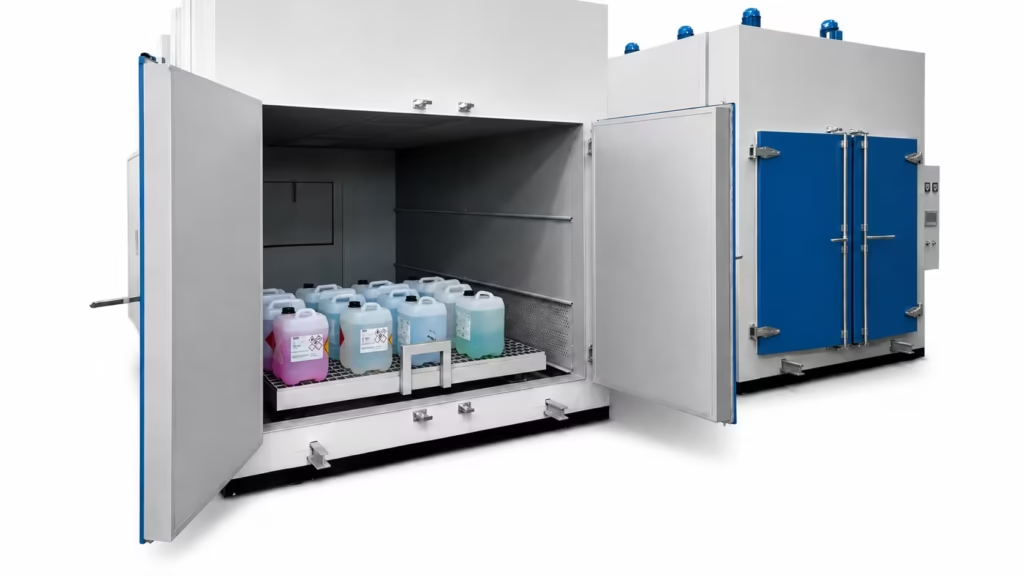
Direct Electric Heating vs Indirect Thermal-Oil Heating

Compare direct electric heating and indirect thermal-oil heating for industrial ovens, including heat-source separation, no exposed heating elements, chemical storage heating, IBC tote heating, solvent-related applications, and outdoor hazardous-material storage.

Is solvent processing safe—and how do we enable explosion protection?

Solvent-related oven projects require more than a standard heating chamber. This guide explains how ventilation, purge logic, LEL monitoring, interlocked fans and heaters, rated wiring, and indirect thermal-oil heating help reduce risk in hazardous-material oven applications.
Chemical container heating oven for viscous raw materials before pumping, mixing, or transfer

Walk-In Oven Safety Features for Industrial Facilities

This guide explains key walk-in oven safety features for industrial facilities, including over-temperature protection, door interlocks, airflow monitoring, exhaust review, emergency stops, alarms, electrical protection, and RFQ safety checklist items.

Walk-In Oven Temperature Range: How Hot Does an Industrial Walk-In Oven Get?

Learn typical walk-in oven temperature ranges and how operating temperature, maximum design temperature, load mass, airflow, controls, insulation, and safety requirements affect drying, curing, preheating, and high-temperature industrial heating applications.

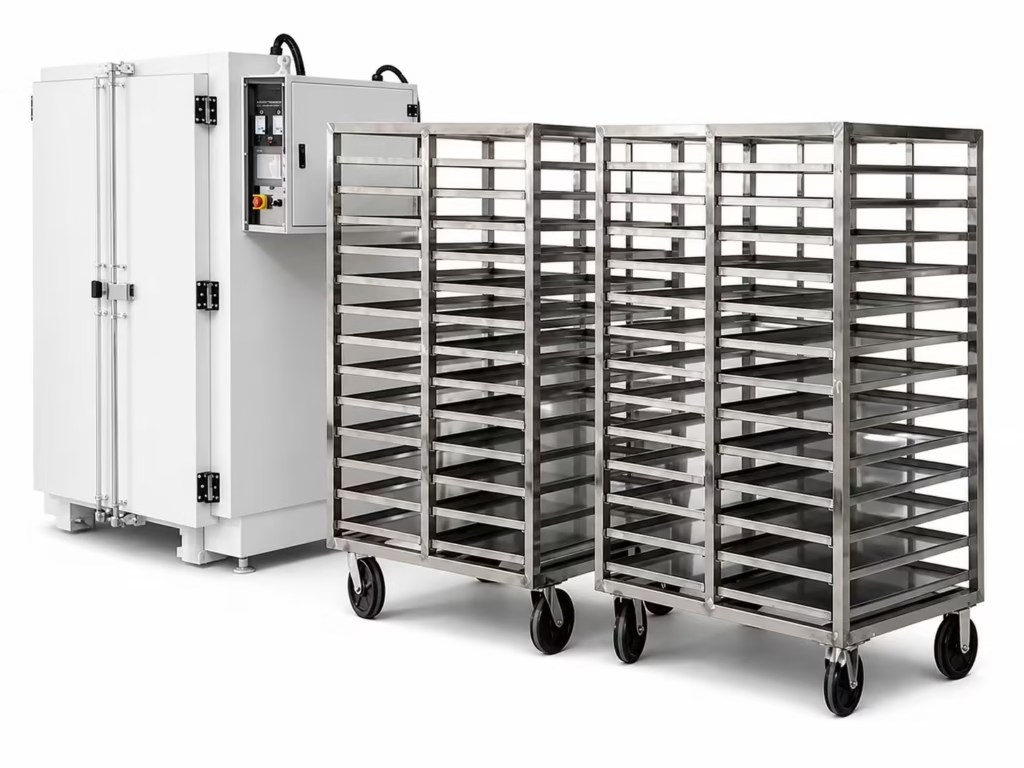
How to Size a Walk-In Oven Chamber for Large Parts, Carts, and Pallet Loads

Walk-in oven chamber sizing should start from the real loaded envelope, not only the part dimensions. This guide explains how large parts, carts, racks, pallets, fixtures, airflow clearance, door opening, floor strength, and site limits affect usable chamber size for preheating, curing, drying, and other industrial batch heating applications.

How Airflow Design Affects Temperature Uniformity in Walk-In Ovens

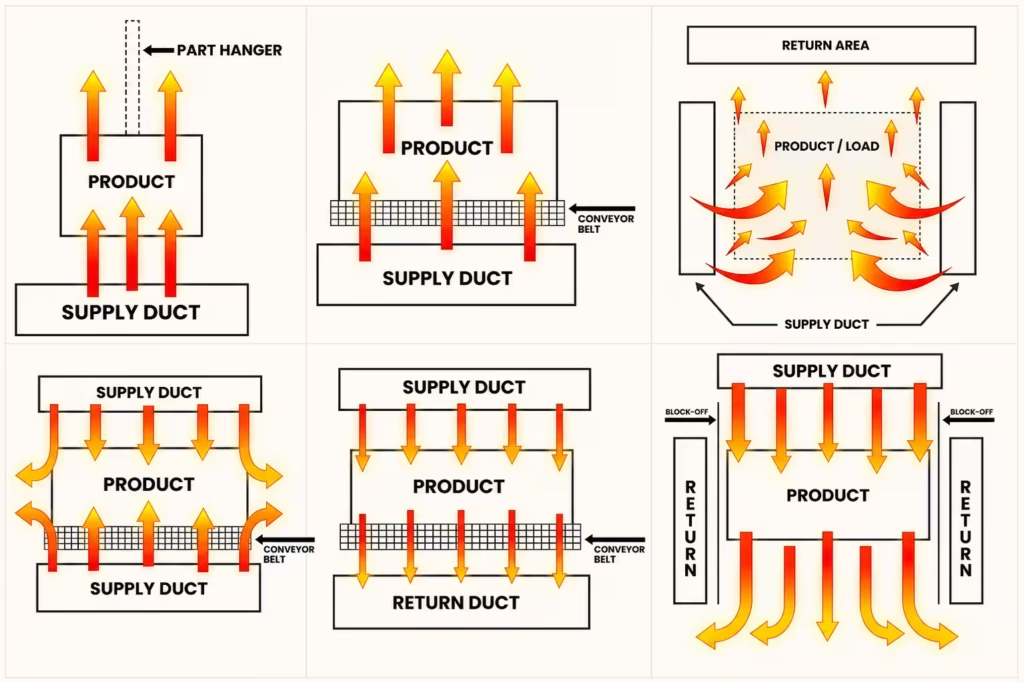
This guide explains how airflow design affects temperature uniformity in walk-in ovens, including airflow patterns, supply and return paths, duct layout, load spacing, cold zones, uniformity testing, and RFQ questions for manufacturers.
walk-in oven airflow duct design with recirculation fan and chamber heating path

Walk-In Oven Temperature Control: Ramp, Soak, Uniformity, and Data Logging

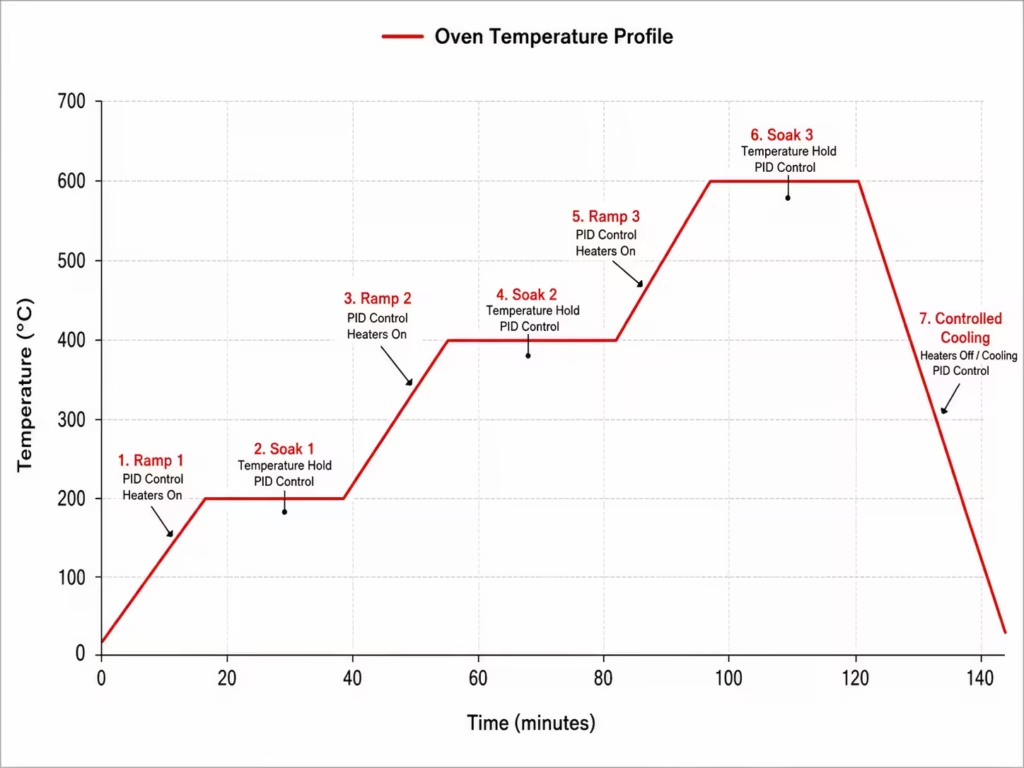
Walk-in oven temperature control depends on more than reaching a setpoint. This guide explains how ramp rates, soak time, temperature uniformity, part temperature monitoring, and data logging work together to create repeatable heating results for curing, drying, preheating, and heat treatment applications.
multi step ramp soak temperature profile industrial oven PID control

Walk-In Oven Loading Options: Floor Loading, Carts, Racks, and Forklift Access

Learn how to choose the right walk-in oven loading method for large parts, including floor loading, carts, racks, trays, trolley systems, and forklift access. This guide helps manufacturers define chamber layout, door clearance, airflow impact, handling safety, and RFQ requirements before ordering a custom industrial walk-in oven.

Need Support?

Please provide your question. We’ll find you with the best support options.

Contact Us
  • Allowed types: pdf, jpg, jpeg, png, dwg, dxf, step, stp, iges, igs, stl, iam, ipt, sldprt, sldasm,

Need Your Equipment Fast? Contact Our Engineer Now!

The faster you contact us, the faster your equipment is delivered. Don’t wait—act now!

After the form is submitted, a thank-you page will pop up.