

Continuous Ovens for Industrial Production
Build a repeatable heating process around product flow, residence time and throughput. ZonHoo continuous ovens can be configured with belt, chain, roller, overhead or multi-level conveying, with staged heating, cooling and line integration for drying, curing, preheating, heat treatment and other inline processes.
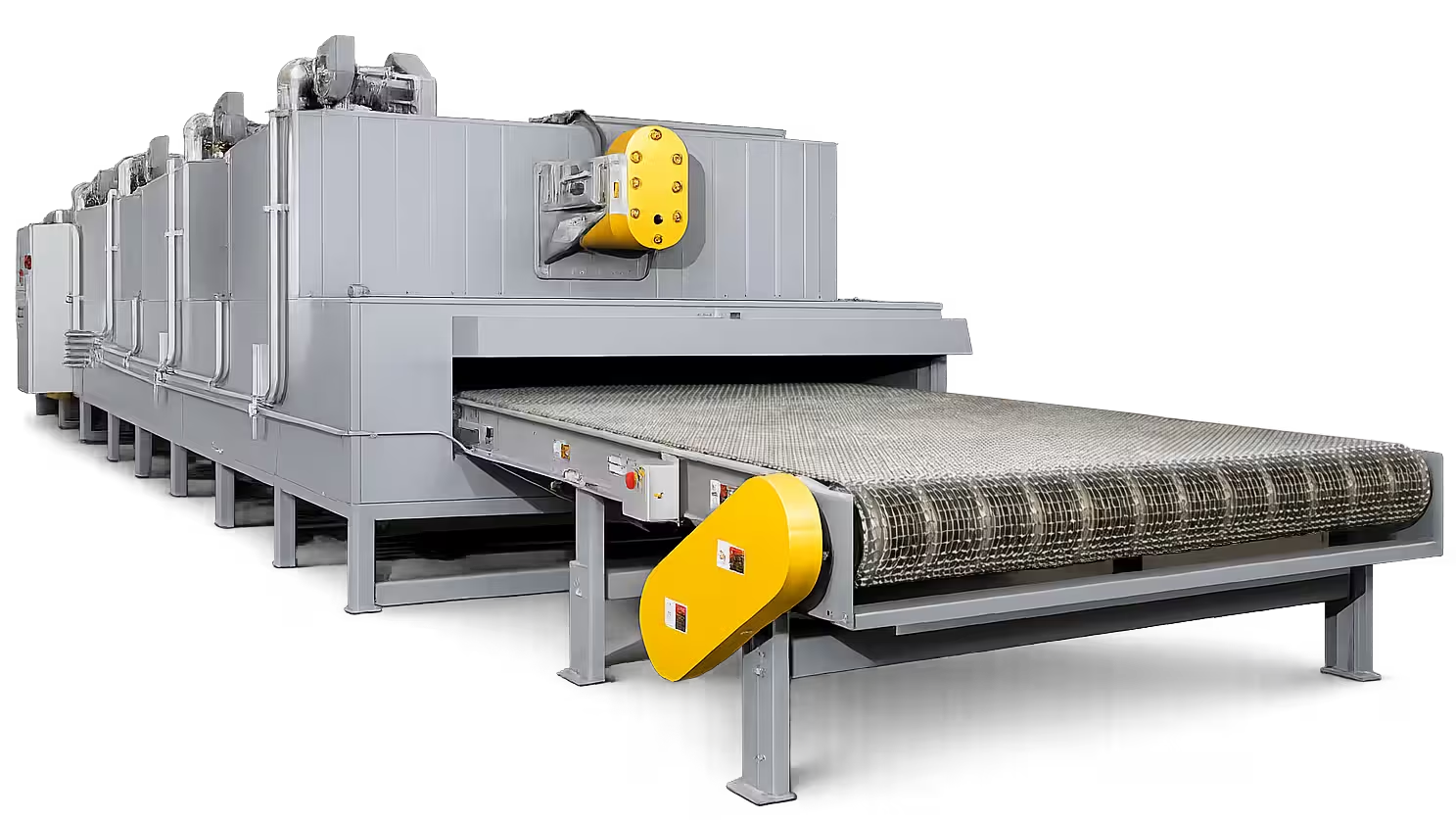
What Defines a Continuous Oven?
A continuous oven is selected when production needs a predictable relationship between part movement, heat exposure and output rate. Unlike a batch oven, the product enters and exits the process in sequence, making continuous systems well suited to repeatable manufacturing with stable takt time and higher throughput.
The right configuration depends first on how the product must be carried. Flat parts and trays may suit a belt or roller conveyor. Heavy fixtures may require chain transport. Hanging components may be better handled by an overhead system. When floor space, staged temperature control, cooling, fuel choice or unusually large loads become the dominant constraint, the oven architecture changes again.
For the most common belt-based configuration, start with our industrial conveyor oven systems. If the line needs a non-standard transport method, unusual thermal profile, special footprint or upstream/downstream integration, ZonHoo can engineer custom conveyor oven solutions.
Choose a Continuous Oven by How Your Product Moves
Every core subpage now has its own visual card. You can replace these placeholders later with final machine photos without changing the layout structure.
Horizontal Transport
For products that move through the oven on a belt, carrier, roller bed or heavy-duty chain system.
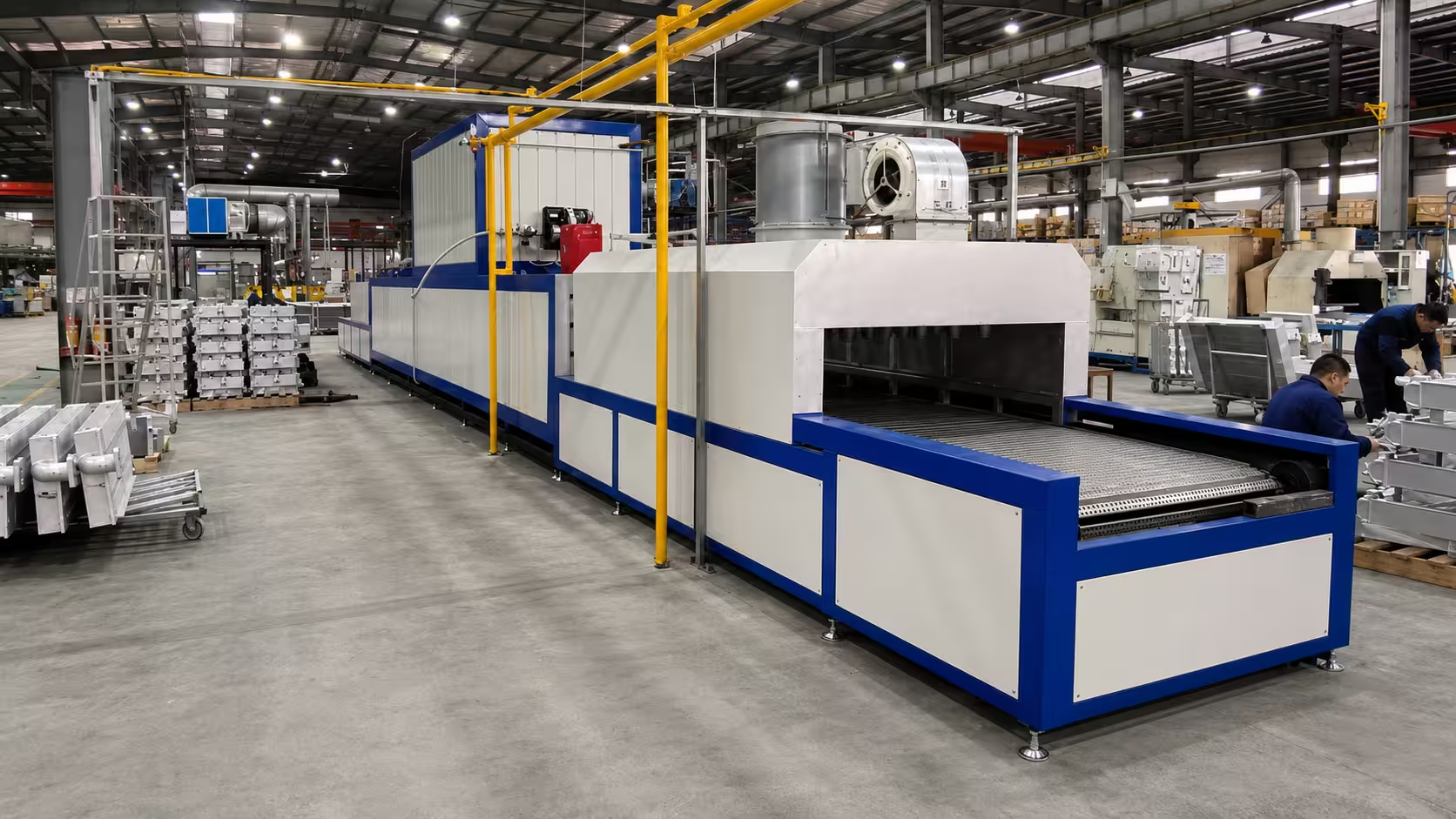
Industrial Conveyor Oven
A practical starting point for steady inline drying, curing, preheating and general thermal processing with controlled line speed.
industrial conveyor oven systems →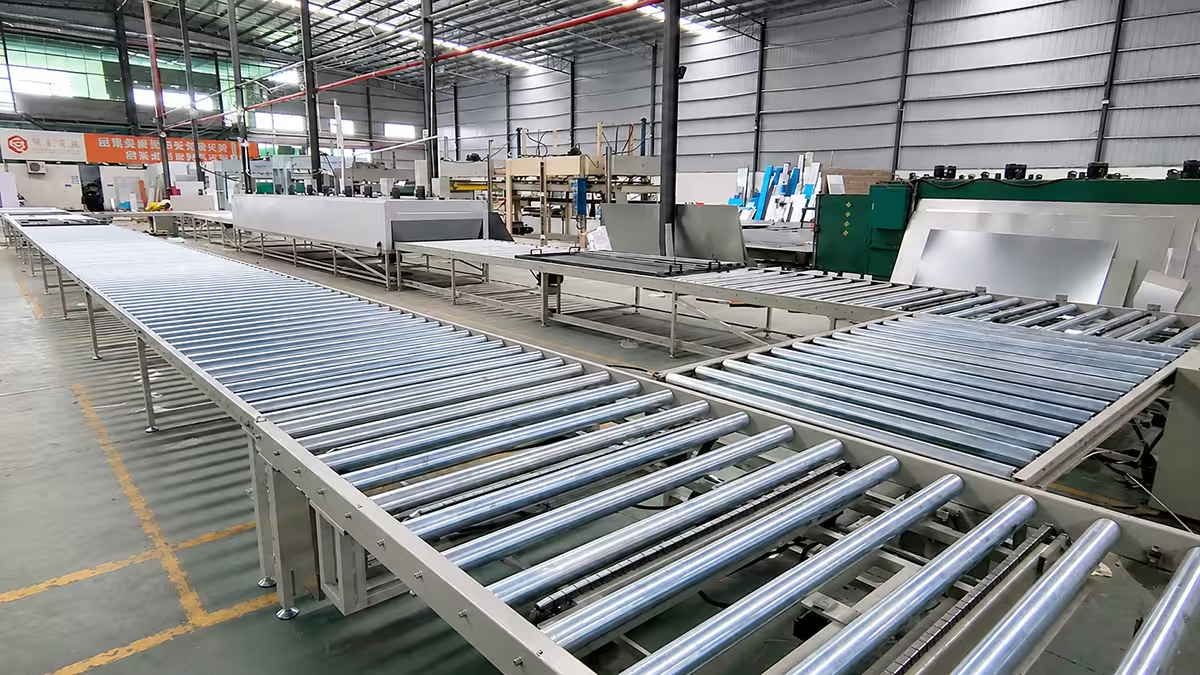
Roller Conveyor Oven
Designed for rigid components, trays, boards or carriers that transfer naturally across rollers and need straightforward upstream/downstream handoff.
roller conveyor oven for inline transfer →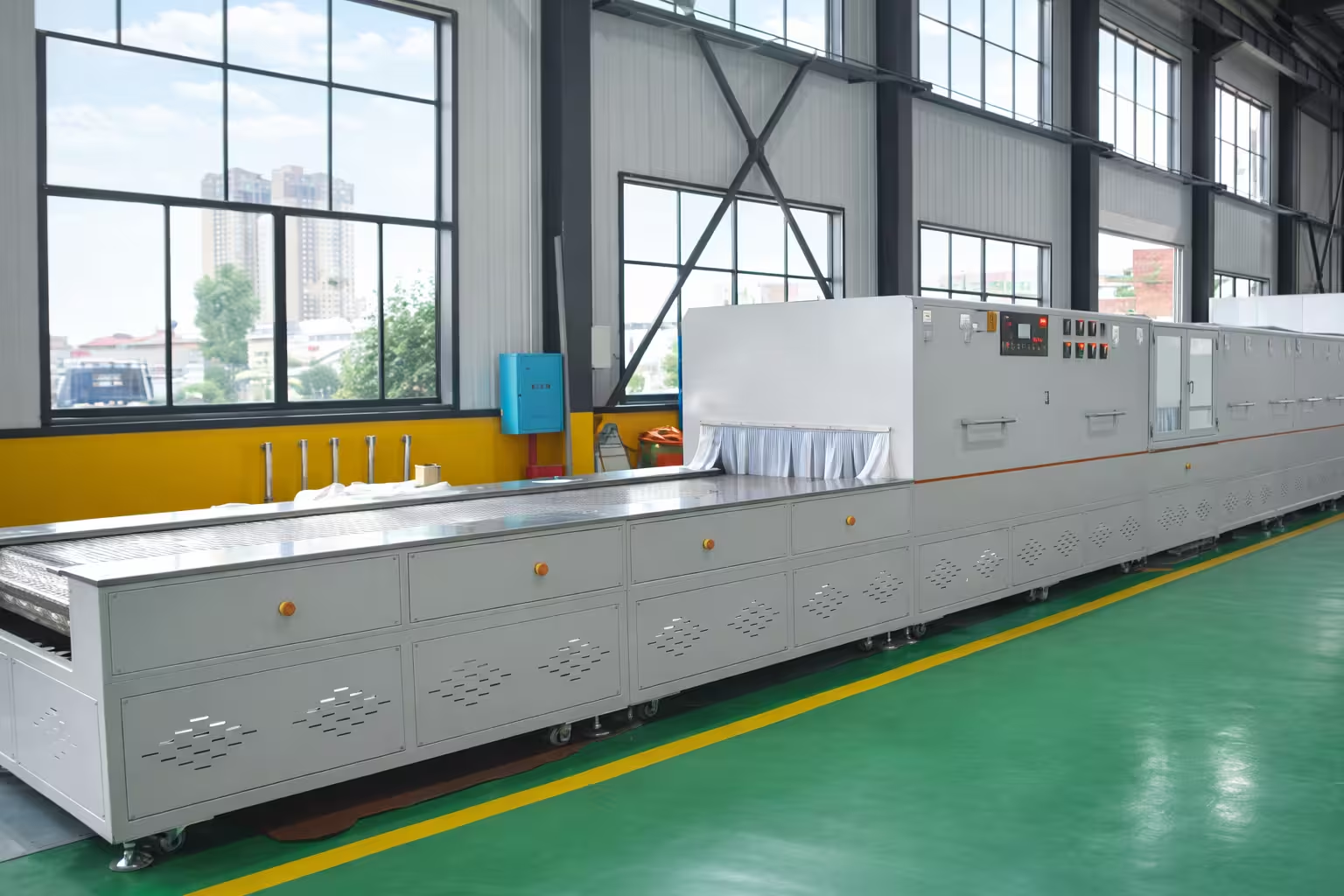
Chain Conveyor Oven
For pallets, fixtures and high-mass parts where load support, positive drive and repeatable positioning matter more than a flat belt surface.
chain conveyor ovens for pallets and fixtures →Alternative Conveyor Layouts
Use the plant layout and product orientation to decide whether the line should run overhead, vertically or with an enlarged conveyor envelope.
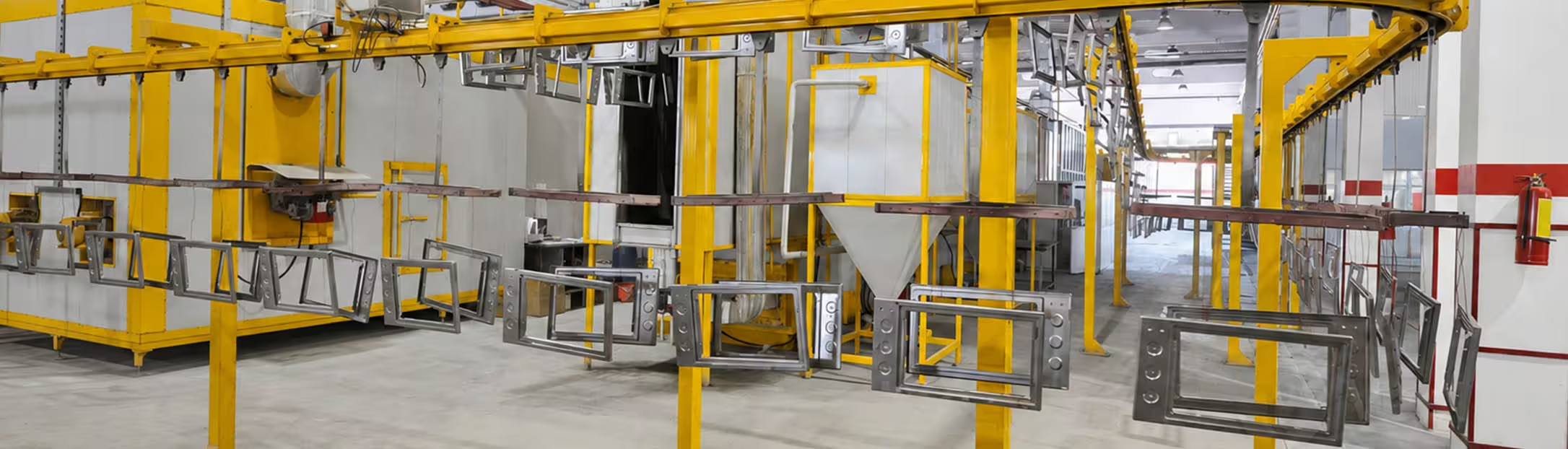
Overhead Conveyor Oven
Suited to suspended parts in coating and finishing lines where hanger spacing, swing clearance and floor access drive the system design.
monorail conveyor oven systems →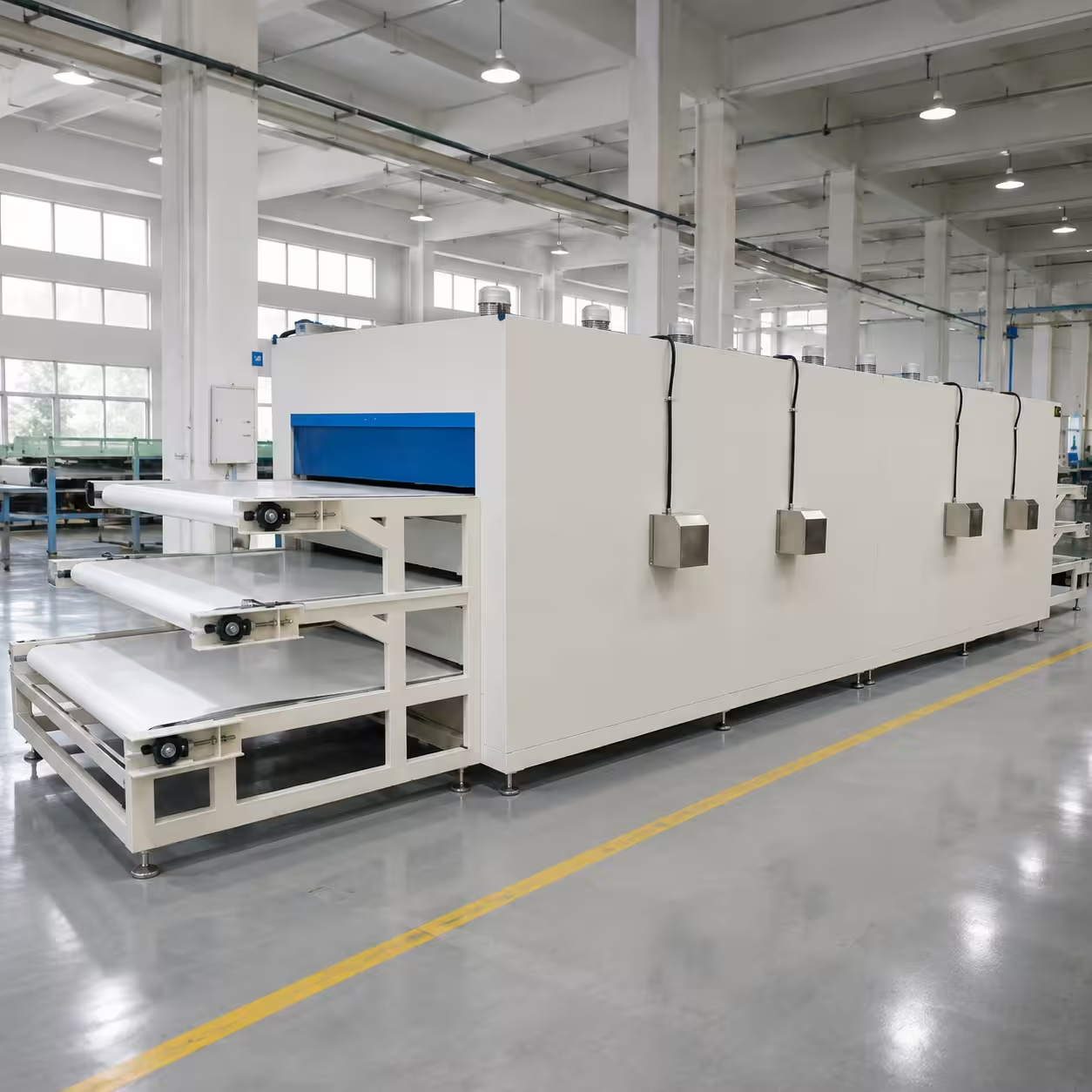
Multi-Level Conveyor Oven
Uses multiple conveyor levels to increase available process path where residence time is long but floor length is restricted.
multi-tier continuous oven →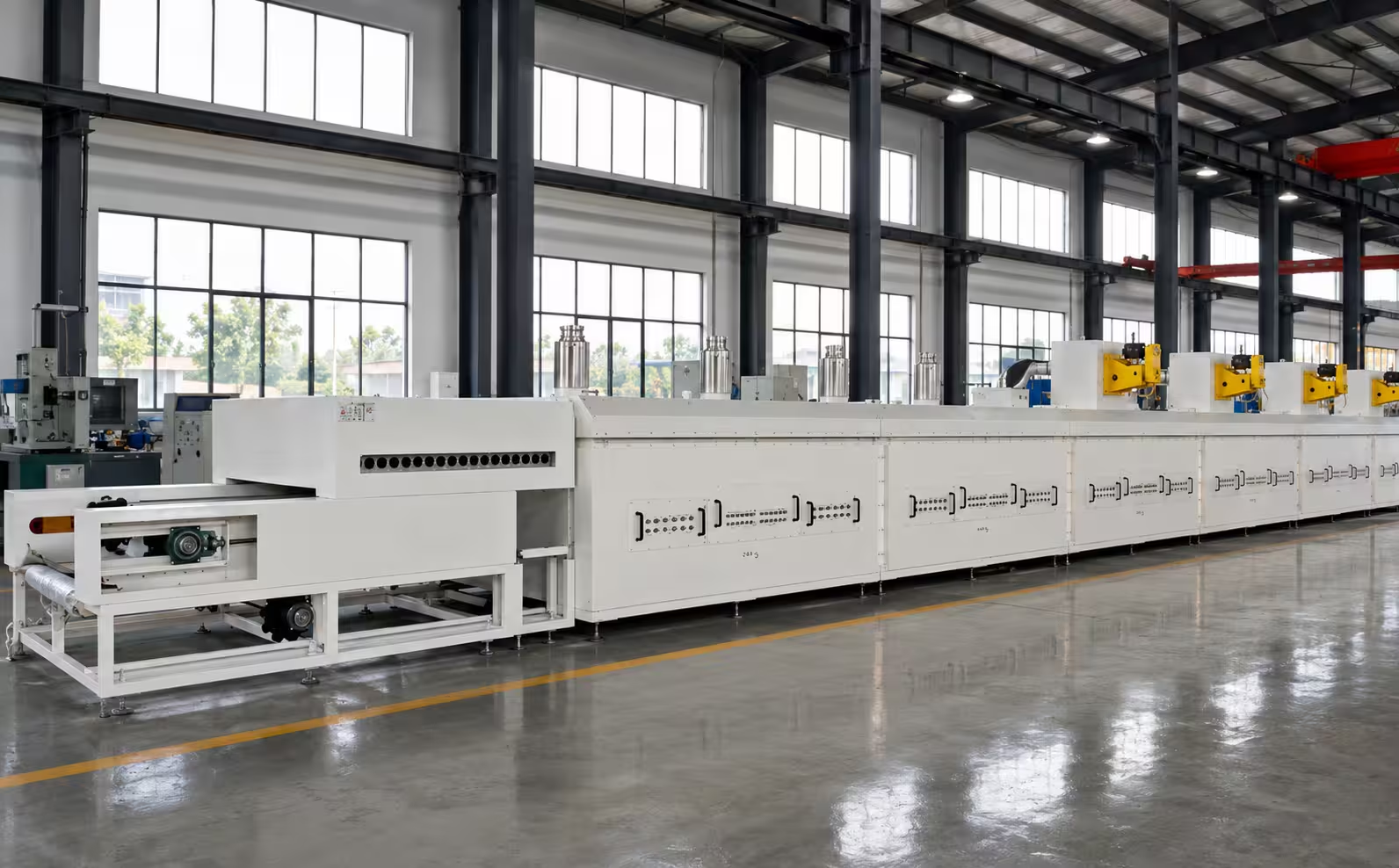
Large Conveyor Oven
For wide products, large fixtures or high-throughput lines requiring an enlarged conveyor width, opening or structural load capacity.
large conveyor oven for wide-belt loads →Heating, Zoning & Cooling
Once transport is defined, select the thermal architecture according to heat-up response, process stages, discharge temperature and utility strategy.
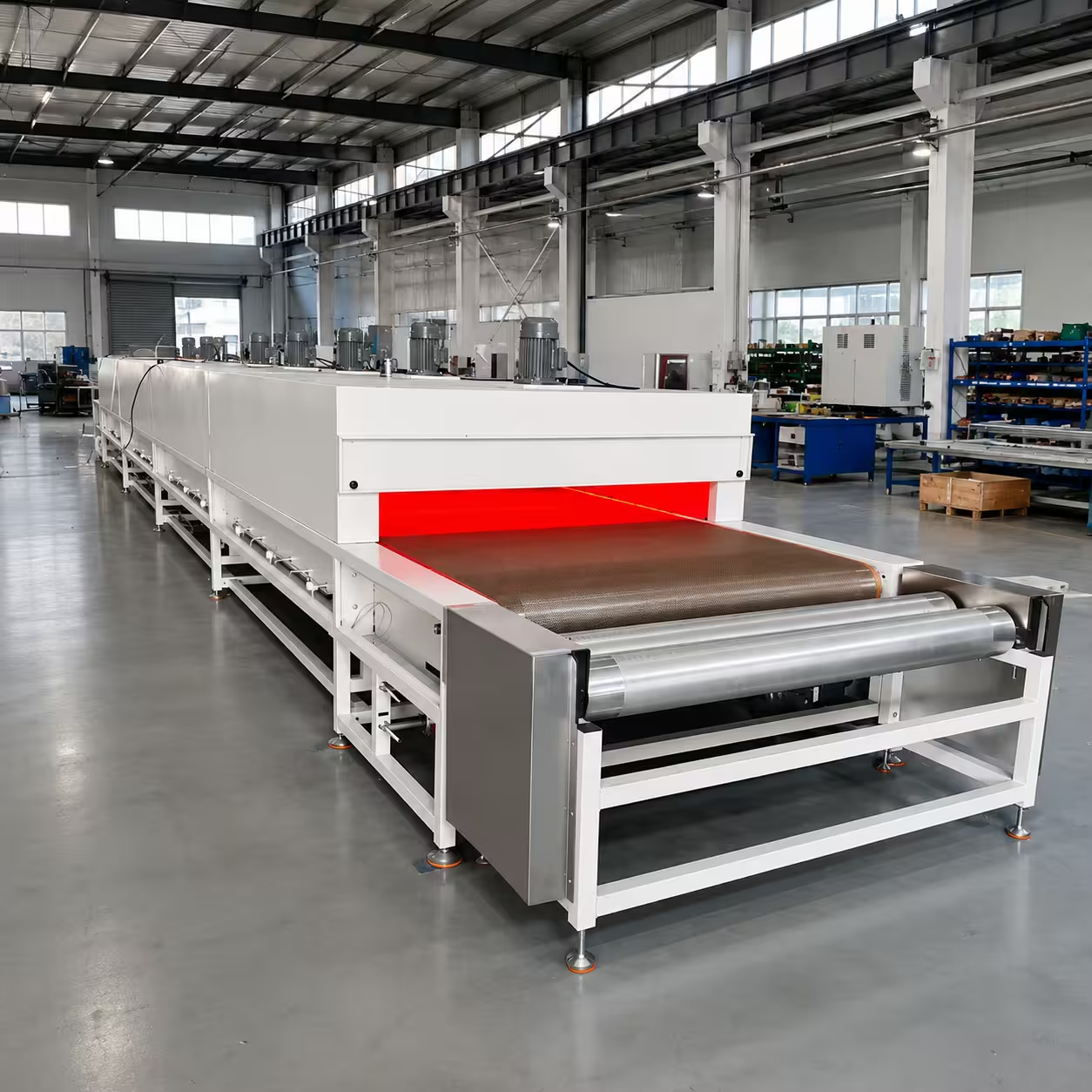
Infrared Conveyor Oven
Uses radiant energy for fast response, compact heating sections and targeted heat input where surface absorption and product geometry are suitable.
infrared conveyor oven for rapid heating →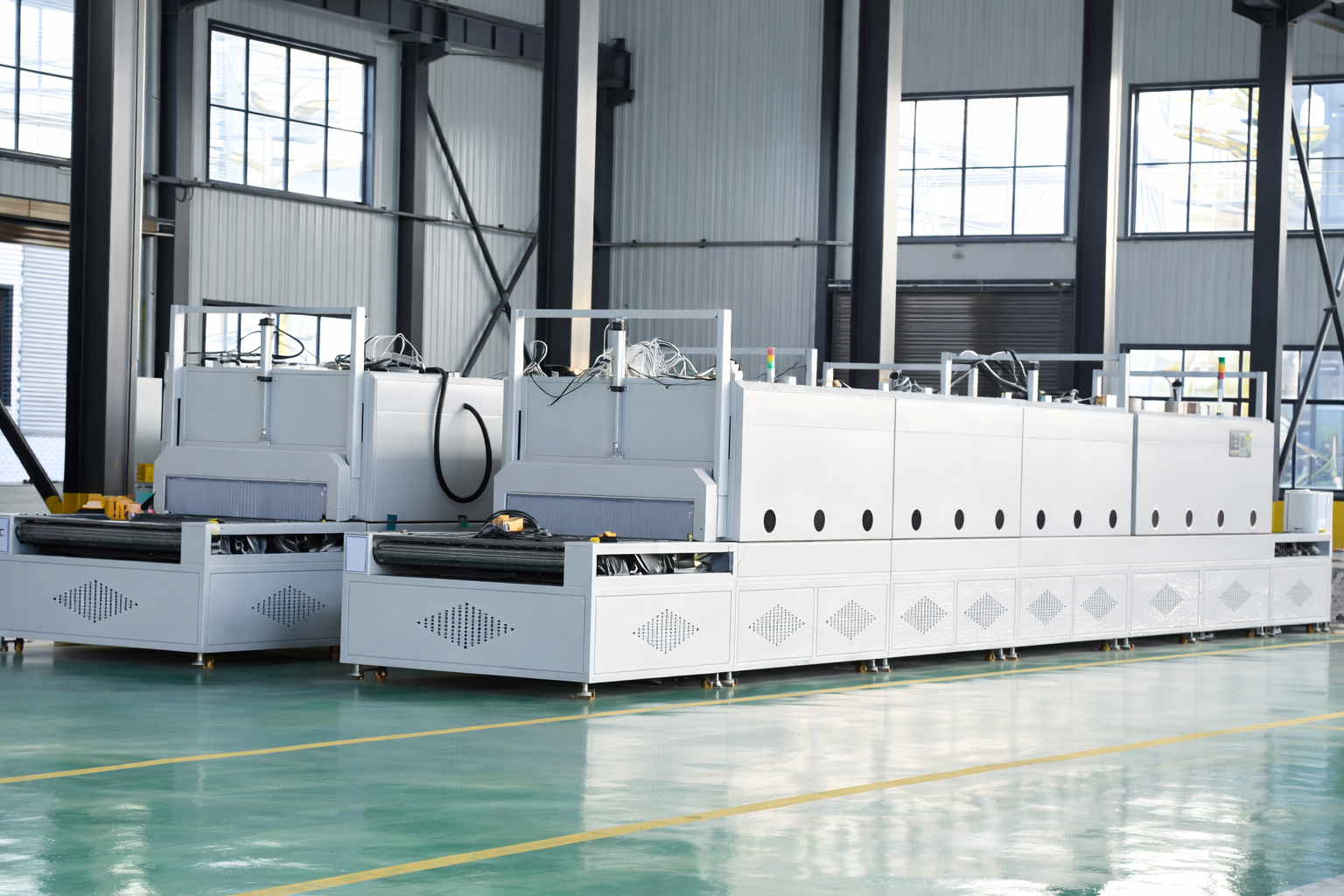
Multi-Zone Conveyor Oven
Separates preheat, process or soak stages into independently controlled sections when one temperature setpoint cannot deliver the required profile.
continuous oven with independent heating zones →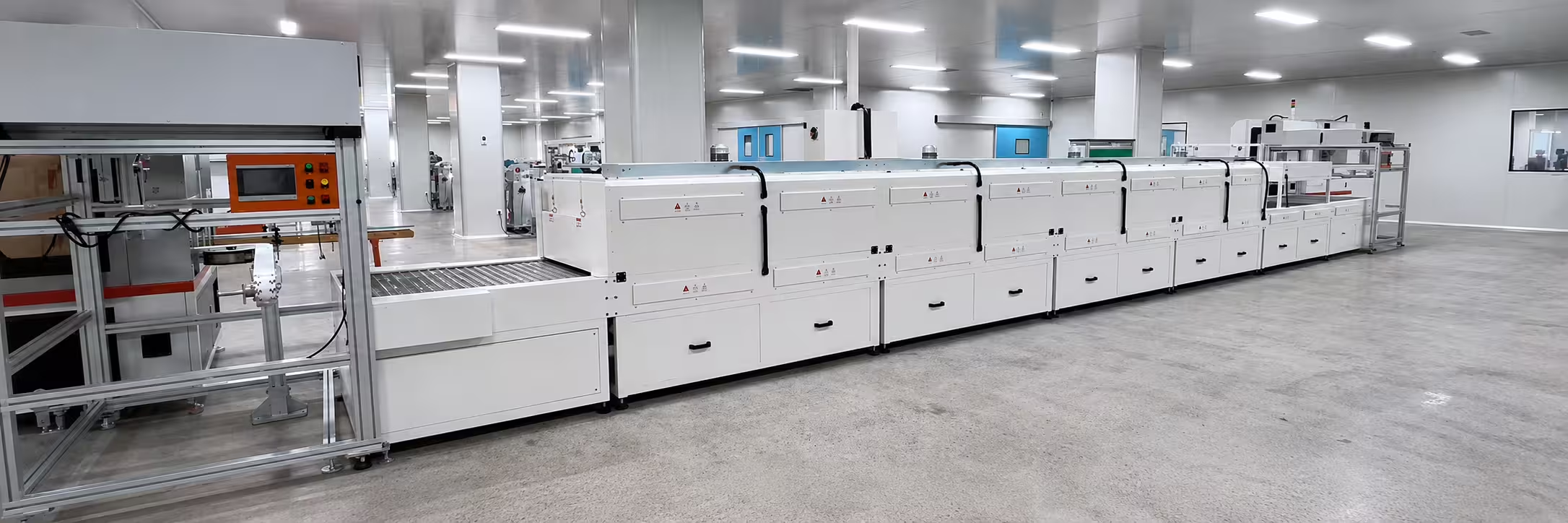
Conveyor Oven with Cooling Zone
Adds a downstream cooling section when parts must leave the line at a controlled temperature for handling, inspection or the next process.
conveyor oven with an integrated cooling zone →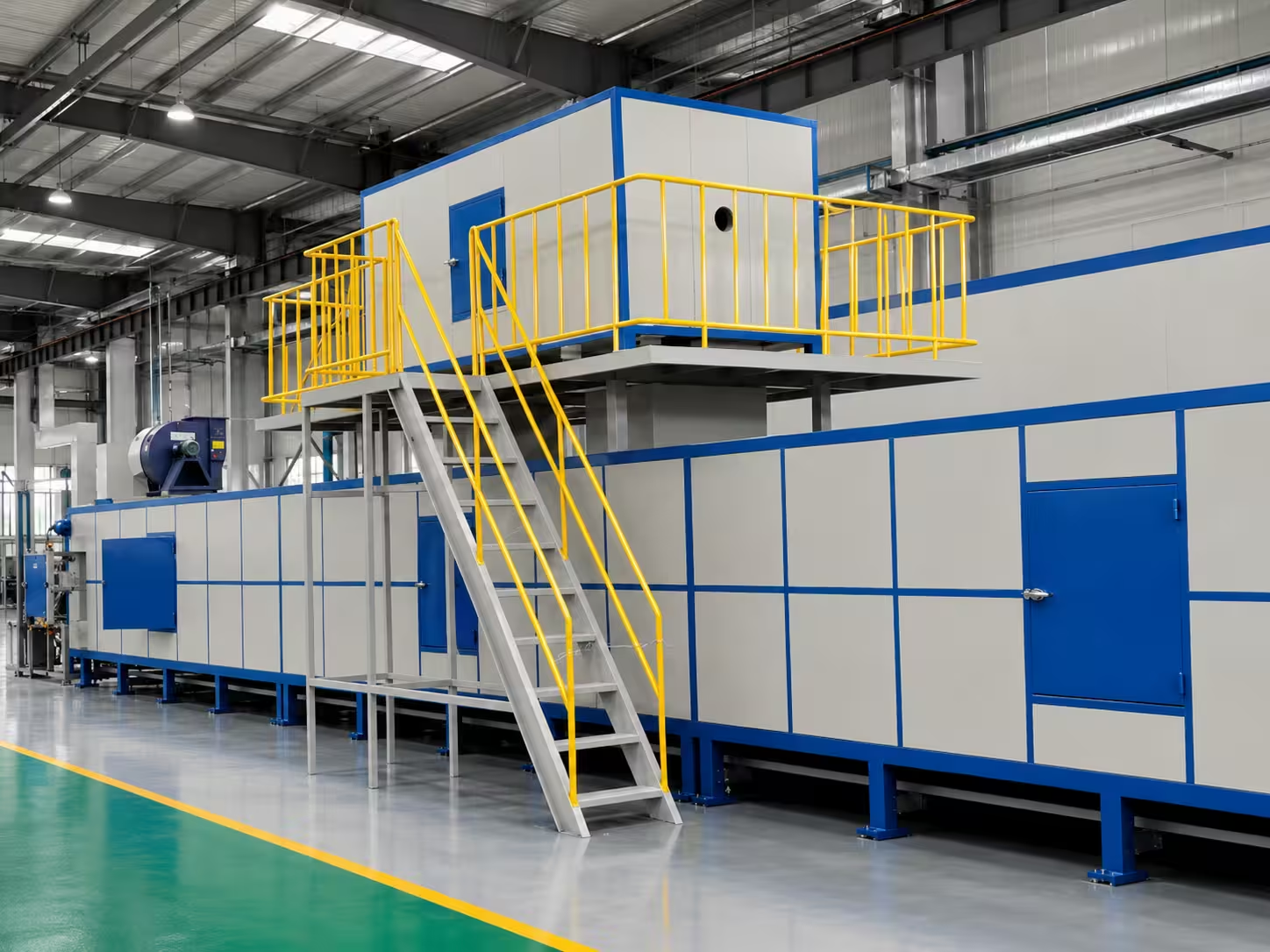
Gas-Fired Conveyor Oven
For projects where natural gas is the preferred plant utility and the heating system should be engineered around burner capacity, recirculation and exhaust.
natural-gas continuous oven →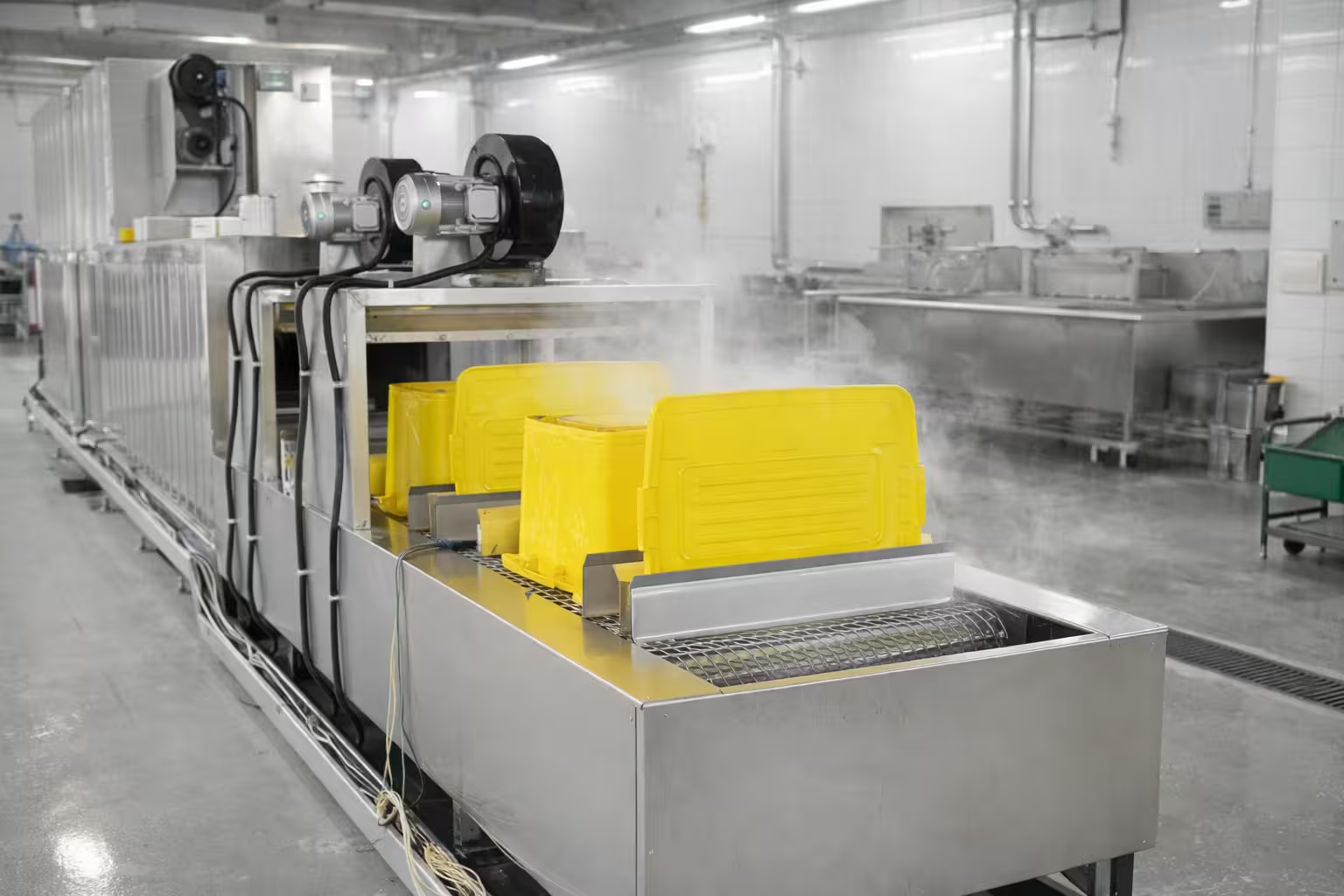
Continuous Sterilizing Oven
Designed around documented thermal exposure, controlled dwell time and repeatable processing for products requiring a sterilizing-focused continuous line.
conveyor sterilization oven →Need a configuration that does not fit a standard conveyor layout?
For unusual product handling, mixed heating technologies, complex zoning, special atmosphere or exhaust requirements, constrained plant layouts, automation interfaces or OEM / ODM documentation, move directly into an engineered custom project.
How to Select the Right Continuous Oven Configuration
A successful project is not selected from temperature alone. Product transport, residence time, thermal profile and plant integration must work as one system.
Define the load
Confirm product dimensions, weight, orientation, carrier or fixture, spacing and parts per hour.
Define time in process
Use required heating exposure and throughput to establish the practical conveyor speed and oven length.
Define the heat profile
Determine whether the line needs one heating stage, multiple zones, rapid IR response or controlled cooling.
Define the plant interface
Review utilities, floor space, exhaust, controls and handshakes with upstream and downstream equipment.
| Primary requirement | Recommended direction | Why it fits |
|---|---|---|
| General continuous drying, curing or preheating | Industrial Conveyor Oven | Direct belt-based flow with controllable line speed and broad application flexibility. |
| Heavy parts, pallets or dedicated fixtures | Chain Conveyor Oven | Positive load support and robust mechanical drive for heavier conveying duty. |
| Hanging parts in coating or finishing lines | Overhead Conveyor Oven | Maintains suspended orientation and integrates naturally with monorail line layouts. |
| Rigid products transferring between inline machines | Roller Conveyor Oven | Straightforward transfer for trays, panels, boards and other rigid loads. |
| Long required residence time with limited floor length | Multi-Level Conveyor Oven | Creates more process path within a shorter plant footprint. |
| Very fast surface heating or compact heated sections | Infrared Conveyor Oven | Rapid-response heating for selected products, coatings and thermal processes. |
| Different heating stages or tighter profile control | Multi-Zone Conveyor Oven | Independent zones help build a staged thermal profile rather than one uniform section. |
| Product must exit at a controlled handling temperature | Conveyor Oven with Cooling Zone | Integrates cooling into the line instead of requiring a separate downstream station. |
| Natural gas is the preferred heating utility | Gas-Fired Conveyor Oven | Heating capacity, burner system, recirculation and exhaust can be designed around plant gas service. |
| Wide parts, large fixtures or unusually high load envelope | Large Conveyor Oven | Expands conveyor width, opening and structural support around oversize production loads. |
Four Decisions That Control Continuous Oven Performance
These four areas determine whether the oven can deliver the required takt time without sacrificing thermal repeatability or making the production line difficult to operate.
Conveyor & load support
Belt material, roller pitch, chain fixtures, hanger spacing and load tracking must match part geometry and mechanical duty.
Residence time & length
Required process time, loading pitch and target output define speed range and practical heated length.
Airflow & thermal zoning
Air direction, recirculation, heat input and zone separation must reach the full loaded envelope consistently.
Controls & line integration
Recipes, alarms, speed coordination and I/O handshakes help the oven operate as one part of the production line rather than an isolated machine.
Where Continuous Ovens Make the Most Sense
Continuous processing is strongest when similar parts repeat at a predictable rate and the thermal step can be integrated directly into material flow.
Typical continuous applications
- Drying after washing, cleaning or surface preparation
- Powder coating and liquid coating curing
- Ink, adhesive and polymer curing
- Preheating before forming, bonding or assembly
- Low- and medium-temperature heat treatment
- PTFE and polymer thermal processing
- Continuous sterilizing and documented thermal exposure
Continuous or batch?
Choose continuous processing when output is repetitive, takt time matters and the line benefits from lower manual handling. Batch processing remains stronger when product size, recipes or load patterns change frequently and the process needs maximum operating flexibility.
Use our guide to compare batch and continuous processing before committing to the line architecture.
Plan the System Before You Request a Quote
These guides help buyers and engineers define the conveyor direction, process requirements and RFQ scope before the final machine configuration is selected.
Choose the Complete Oven Configuration
Compare conveyor types, process requirements, zoning, heating methods and integration factors from an engineering procurement perspective.
industrial conveyor oven selection guide →Batch Oven or Conveyor Oven?
Use production volume, changeover frequency, labor handling, dwell time and line rhythm to decide whether continuous processing is actually the better investment.
compare batch and continuous processing →Mesh Belt or Chain Conveyor?
Compare load support, part stability, open area, fixtures and maintenance requirements when selecting the mechanical conveying method.
mesh belt vs chain conveyor oven →Send the Process Data, Not Just an Oven Size
The fastest route to a useful proposal is to define the product, production target and thermal result first. ZonHoo can then size the conveyor, heated length, zoning and utilities around the real line requirement.
Continuous Oven Questions
What is the difference between a continuous oven and an industrial conveyor oven?
Continuous oven is the broader category. An industrial conveyor oven is one common continuous configuration in which parts travel through the thermal chamber on a conveyor. Continuous systems can also use chain, roller, overhead, multi-level or other transport architectures.
How is the required length of a continuous oven determined?
The basic relationship starts with required process exposure and conveyor speed, but the final length also depends on heat-up behavior, product mass, loading density, entry and exit losses, thermal zoning and whether cooling is integrated.
When should I use multiple heating zones?
Multiple zones are useful when the product needs staged heat-up, different process temperatures, a controlled ramp, separate drying and curing stages, or tighter control over the thermal profile than a single setpoint can provide.
Can a continuous oven be integrated with an existing production line?
Yes. The project should define conveyor elevation, transfer points, speed range, I/O signals, upstream/downstream equipment, exhaust and available plant space before the oven layout is finalized.
Can ZonHoo build a fully custom continuous oven?
Yes. Custom projects can combine non-standard conveyor layouts, multiple heating methods, independent zones, cooling, special controls, exhaust strategies and line interfaces around the product and production target.
Build the Continuous Oven Around Your Product Flow
Share your part size, load method, target throughput, temperature profile and available plant space. We will help identify the right conveyor architecture before the detailed quotation is prepared.