

Special Oven Customization by a Custom Industrial Ovens Manufacturer
ZonHoo designs and builds engineered-to-order (ETO) industrial ovens for processes that cannot be met by standard configurations. Share your parts, load, process window, and site constraints—we convert them into an RFQ-ready specification with clear scope, options, and acceptance criteria.
- Manufacturer-led engineering for non-standard chamber sizes, loads, and handling
- Airflow and temperature uniformity designed around your load and cycle
- Controls and safety features defined as project requirements (site-specific)
- FAT-ready documentation and verification plan for internal review
Built for procurement and engineering review: scope clarity, deliverables list, and verification pathway—before you commit.
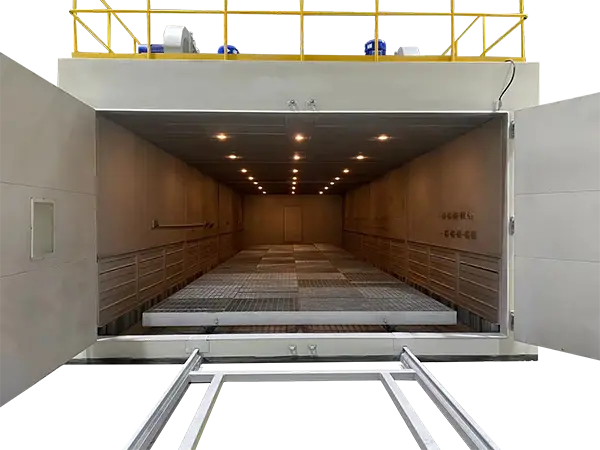
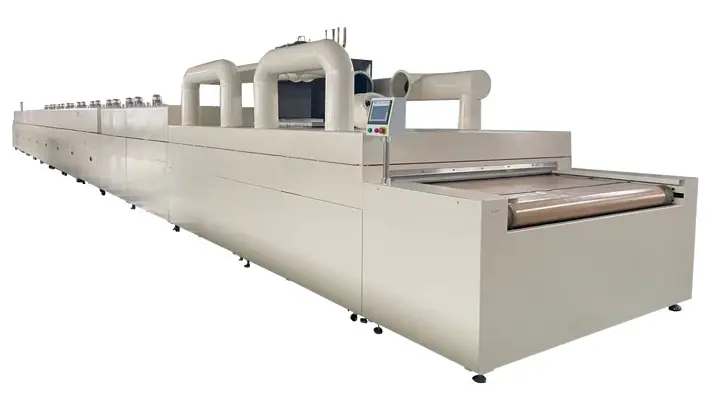
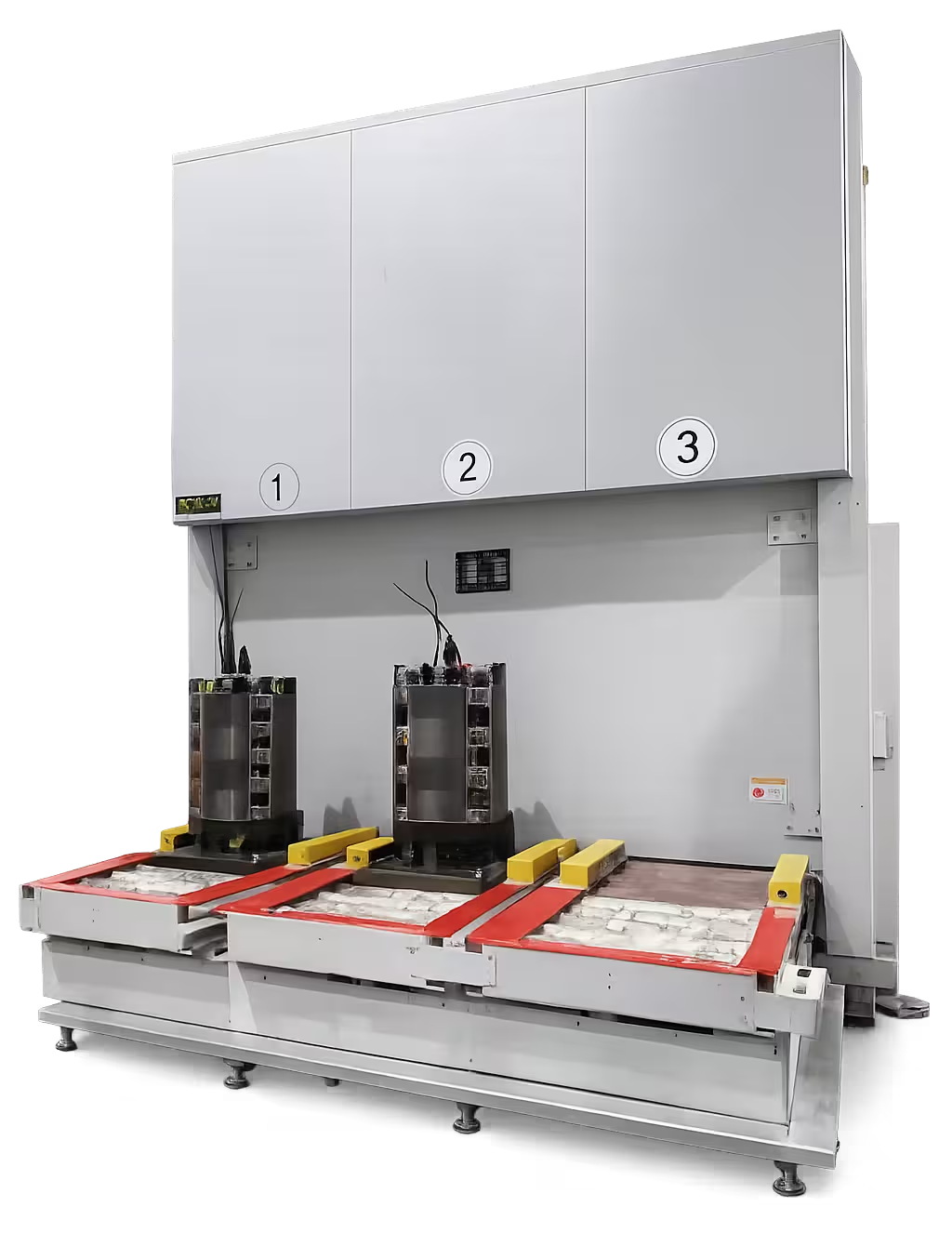
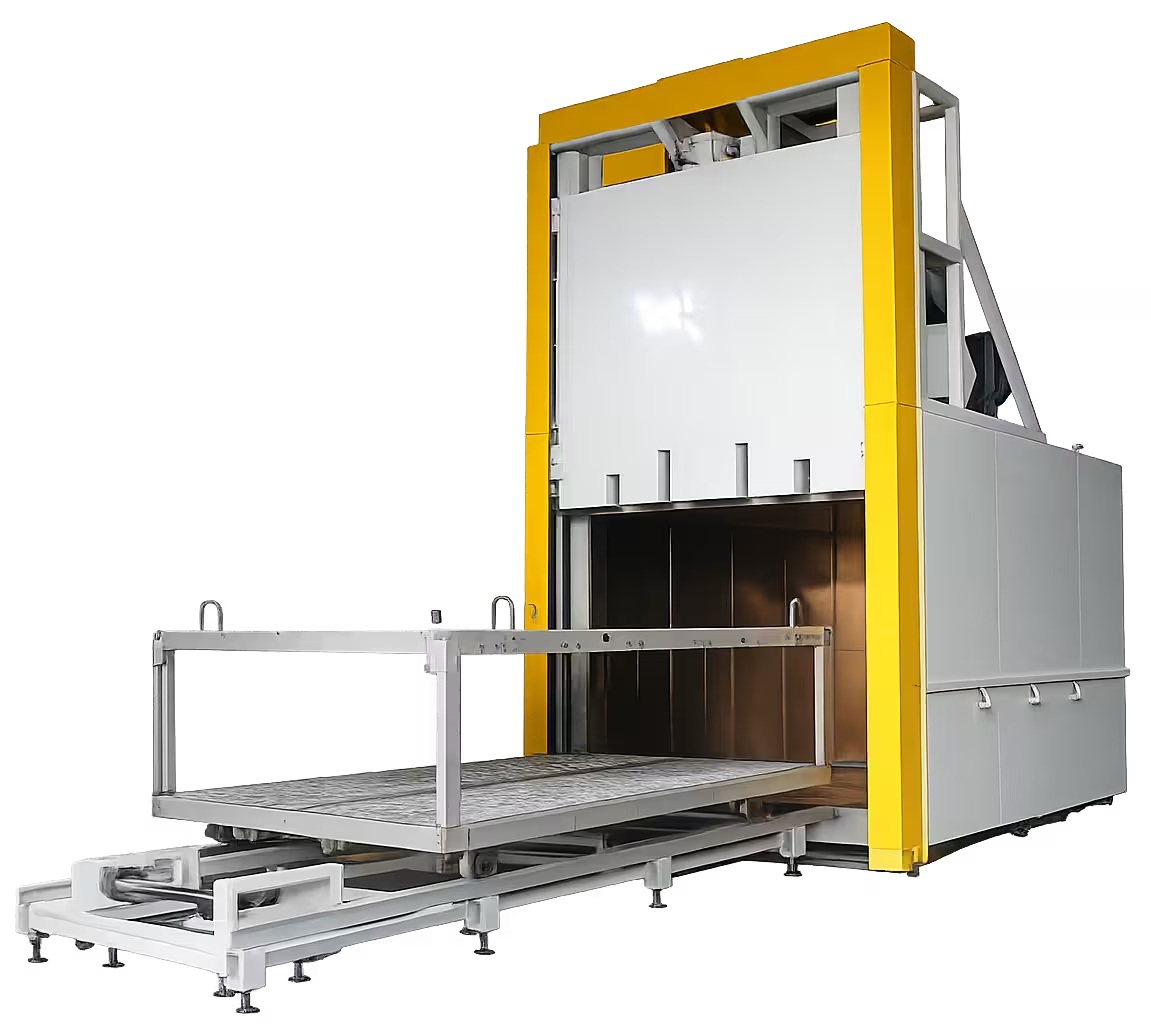
When an Industrial Oven Becomes a “Special Build”
A “special oven” is not just a different size—it is a project where process risk, part handling, or site constraints require an engineered configuration. We focus on turning these constraints into a controlled design scope that your team can review and approve.
Large work envelopes beyond standard chamber layouts.
Fixtures, racks, and reinforced handling interfaces.
Yield-sensitive curing or heat treatment requirements.
Dual-door transfer or controlled movement between areas.
Inert purge concepts or low contamination process steps.
Conveyor/AGV handoff points and automation signals.
What You Can Customize (Modular, Combinable Options)
Customization is delivered through engineering modules—each defined by requirements, interfaces, and acceptance criteria. Select what you need, and we will scope it into an RFQ-ready build.
Chamber Size, Structure, and Thermal Envelope
Non-standard dimensions, door styles, insulation strategy, and internal layouts engineered around your parts and loading method.
- Large chamber sizing and usable work envelope definition
- Door configuration (concept), sealing requirements
- Interior layout, racks, fixtures, clearance planning
- Utility interfaces: power, exhaust, routing constraints
Load, Fixtures, and Handling Interfaces
Engineered load paths, safe transfer logic, and repeatable positioning for heavy loads and complex fixtures.
- Heavy load planning and rack/fixture requirements
- Loading method definition (cart/trolley/transfer points)
- Part spacing and airflow clearance around the load
- Handoff requirements for crane/cart/AGV/manual transfer
Airflow Design and Temperature Uniformity Strategy
Uniformity defined around your load geometry, heat-up profile, and cycle time, aligned to acceptance criteria.
- Convection / recirculation approach for part geometry
- Ducting/return strategy (concept level)
- Uniformity measurement plan (mapping approach, report format)
- Cycle repeatability requirements and control considerations
Heating Method and Thermal Performance Requirements
Heating selection and thermal response defined by process window, throughput, and site power constraints.
- Process window definition (range, ramp, soak, cooldown)
- Site electrical constraints (requirement-level)
- Thermal response targets (time-to-temp, stability expectations)
- Maintenance access considerations (concept level)
Safety Considerations Defined by Your Site and Process
Safety features scoped as project requirements based on your materials, ventilation strategy, and local codes.
- Solvent/fume risk considerations and exhaust interface definition
- Interlocks, alarms, and operating safeguards (requirement-level)
- Site-specific compliance requirements alignment (region/project dependent)
- Documentation support for risk review and approval workflows
Atmosphere Control and Clean Process Needs
Inert environment and low contamination needs defined as requirements at the RFQ stage.
- Inert purge concept and monitoring expectations (as needed)
- Sealing and leakage considerations (requirement-level)
- Low contamination process needs (concept level)
- Process monitoring expectations for atmosphere-related steps
Line Integration and Transfer Interfaces
Define flow direction, handoff logic, and integration boundaries so the oven fits your takt and layout.
- Pass-through direction and part flow definition
- Interface boundaries (mechanical handoff + signals/I/O scope)
- Space claim, clearance, and service access planning
- Conveyor selection handled separately when required
Controls and Data Requirements (Defined, Not Over-Specified)
Controls scoped around your recipes, alarms, and traceability expectations—aligned with project scope and budget.
- Recipe and cycle definition (steps, holds, limits)
- Alarm philosophy and interlock requirements (high-level)
- Data logging and traceability expectations (if needed)
- HMI expectations and operator workflow (requirement-level)
Common Special Builds (Updated by Field Demand)
Below are common customization directions—your project may combine multiple modules.
Large Work Envelope & Heavy Loads
Designed for oversized parts, dense fixtures, and repeatable loading. Scope includes usable zone definition, handling interfaces, and verification planning.
Pass-Through Handling for Controlled Flow
Designed for oversized parts, dense fixtures, and repeatable loading. Scope includes usable zone definition, handling interfaces, and verification planning.
Uniformity-Focused Convection Design
Designed for oversized parts, dense fixtures, and repeatable loading. Scope includes usable zone definition, handling interfaces, and verification planning.
Deliverables and Acceptance for Special Oven Customization
For special and non-standard oven projects, success depends on clear scope, defined interfaces, and agreed acceptance criteria. We structure deliverables early so your procurement and engineering teams can review, compare, and approve custom configurations with confidence.
Custom GA drawing and layout specific to your special build
Utility requirements aligned to site constraints and non-standard interfaces
Load description, fixtures, and handling concept for custom workflows
Scope summary defining options and responsibilities for the special configuration
Controls requirement outline for project-specific needs (as applicable)
FAT planning for custom acceptance criteria and measurement approach
Documentation package tailored to the non-standard oven scope
Spare parts scope aligned to the engineered configuration
Every special oven project is documented around your unique requirements—so scope, performance expectations, and verification remain transparent from RFQ to final acceptance.
Why Manufacturer-Led Special Oven Customization Reduces Project Risk
Platform-Based Engineering for Non-Standard Builds
Faster scoping using proven oven platforms and modular options—so special configurations remain reliable, comparable, and schedule-friendly.
Process-First Special Oven Design
We design around your process window, load conditions, and acceptance criteria—rather than forcing requirements into a standard model.
Clear Scope Definition for Custom Projects
Assumptions, responsibilities, options, and interfaces are defined early—so non-standard projects stay controlled and approval-ready.
Verification Pathway for Special Oven Acceptance
FAT/SAT planning, measurement approaches, and reporting formats are aligned to your project-specific acceptance criteria.
Manufacturer Accountability for Custom Builds
Direct execution by the equipment manufacturer ensures change control, documentation consistency, and single-point responsibility.
Replicable Special Configurations
Once a custom oven is engineered and validated, the same configuration can be repeated for future capacity expansion with consistent performance and documentation.
Special Oven Customization: Related Support Pages
Use these as “Learn more” links under relevant sections to build topical authority and avoid content overlap.
Define RFQ inputs: load, process window, throughput, site constraints.
High-level safety philosophy and review-oriented documentation scope.
Controls detail page: PLC/HMI, alarms, data logging, commissioning support.
Commissioning, training, and remote guidance options to reduce overseas cost.
Planned spares and continuity support for uptime and lifecycle cost control.
Conveyor selection and belt types for continuous line integration.
Frequently Asked Questions
What information is needed to quote a non-standard industrial oven?
A: Key inputs include part size, load weight and presentation, temperature range and cycle profile, throughput, site constraints (footprint/power/exhaust interfaces), and any special handling or documentation requirements.
Do you support engineered-to-order (ETO) projects as a manufacturer?
A: Yes. We scope ETO ovens through modular engineering, define interfaces and acceptance criteria, and provide deliverables that support procurement and engineering review.
How do you approach temperature uniformity for sensitive processes?
A: We define airflow strategy around your load geometry, then align a measurement approach and reporting format to your acceptance criteria. Uniformity expectations are always project-specific.
Can you build pass-through or dual-door configurations?
A: Yes. We define part flow direction, door concept, and handoff boundaries early to reduce layout risk and clarify responsibilities.
How do you handle solvent or fume-related considerations?
A: We treat these as site- and process-specific requirements. We document design inputs, define option scopes (e.g., exhaust interfaces, interlocks), and support your internal EHS review and local code alignment.
Can ZonHoo support remote installation guidance to reduce overseas cost?
A: Yes. For many projects, onsite installation can be minimized. We can provide remote guidance and supervision aligned with your site conditions and project scope.
What deliverables do you provide for internal approvals?
A: Typical deliverables include GA drawings, utility requirements, scope assumptions, option definitions, and a verification pathway aligned to acceptance criteria (project-specific).
What is the typical lead time for special oven customization?
A: Lead time depends on scope, chamber size, integration interfaces, and documentation requirements. After requirements capture, we provide a scoped concept and estimated lead time for review.
Can a special build be replicated for future capacity expansion?
A: Yes. We can maintain consistent scope logic and documentation to support repeat builds when your production expands.
Do you offer OEM/ODM support for branded or private-label requirements?
A: Yes. We support OEM/ODM collaboration based on agreed scope, documentation, and change control expectations.
Please provide your question. We’ll find you with the best support options.