

Industrial Ovens for PTFE & Polymer Sintering
PTFE and polymer sintering requires controlled heating, stable soak periods, and uniform airflow to fuse coatings or polymer surfaces without scorching, blistering, discoloration, or weak adhesion. ZonHoo helps manufacturers match the right oven direction for coated metal parts, liners, trays, baskets, racks, and continuous-output production.
For coating-related polymer processes, see our industrial ovens for coating processes and integrated PTFE coating and sintering line solutions.
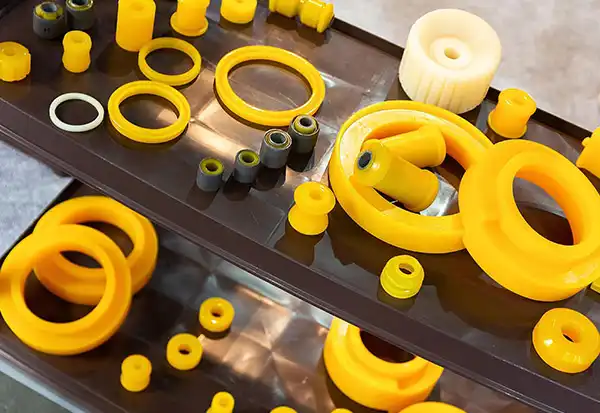
Why This Process Matters
Why PTFE & Polymer Sintering Needs Controlled Thermal Processing
PTFE and polymer sintering is not just about reaching temperature. The process depends on how evenly heat is delivered, how steadily the chamber recovers after loading, and how precisely ramp-and-soak steps are controlled. For coated parts and polymer-based components, poor thermal control can lead to incomplete fusion, surface defects, unstable performance, or inconsistent release and wear properties.
More Complete Fusion and Adhesion
Consistent heating helps coatings or polymer layers fuse more evenly, improving bond quality, surface continuity, and finished-part reliability.
Fewer Defects from Overheating
Controlled airflow and recipe management help reduce blistering, yellowing, scorching, edge overheating, and other temperature-related defects.
More Stable Part-to-Part Results
Repeatable thermal cycles improve consistency across trays, racks, and production batches, especially when coating thickness or part geometry varies.
Better Process Control and Traceability
With proper controls, alarms, and optional data logging, manufacturers can standardize sintering cycles and support process validation requirements.
Typical Applications
Where PTFE & Polymer Sintering Is Commonly Used
From coated metal parts to specialty polymer components, PTFE and polymer sintering is used wherever controlled fusion is required to achieve surface performance, release characteristics, chemical resistance, or dimensional stability.
PTFE-Coated Metal Parts
Used for trays, plates, molds, rollers, guides, and formed metal components that require non-stick, low-friction, or chemical-resistant surfaces.
Fluoropolymer Liners and Baskets
Common in chemical processing and corrosion-resistant applications where liners, baskets, or fixtures need stable thermal finishing after coating.
Seals, Bearings, and Wear Components
Applied to parts where surface behavior, friction control, or wear performance depends on consistent thermal fusion.
Wire, Cable, and Electrical Components
Used in selected polymer insulation or specialty coated components that require controlled heating and repeatable production cycles.
Industrial Non-Stick and Release Parts
Suitable for process tooling and production-contact parts where uniform coating performance is important for release, cleaning, or product handling.
Engineered Polymer Components
Used for selected polymer parts and assemblies that require controlled sintering, consolidation, or post-forming thermal stabilization.
Selection Guidance
How to Match the Right Oven Direction to PTFE & Polymer Sintering
For continuous processes, temperature zoning and heating method should follow the required thermal profile. Compare single-zone vs multi-zone conveyor oven configurations and review the conveyor oven heating-method comparison before fixing the final system.
| Process Need | Typical Requirement | Recommended Oven Direction |
|---|---|---|
| PTFE-coated metal parts | Stable peak temperature, even airflow, repeatable ramp/soak recipe | Industrial Electric Oven |
| Heavy fixtures or thick-coated parts | Better heat recovery after loading and stable soak control | Batch Baking Oven |
| Large racks, baskets, or assemblies | Large chamber size, operator access, cart-based loading | Walk-In Oven |
| Continuous-output small parts | Controlled residence time and steady inline production | Industrial Conveyor Oven |
| Higher-temperature polymer sintering work | Higher temperature capability and reinforced chamber design | High-Temp Box Oven |
| Special geometry or non-standard process constraints | Custom airflow, exhaust, fixturing, and controls alignment | Custom Batch Oven |
EQUIPMENT DIRECTION
Recommended ZonHoo Oven Solutions for PTFE & Polymer Sintering
Different PTFE and polymer sintering jobs call for different oven directions. Below are common ZonHoo solutions used to match batch size, temperature demand, airflow logic, and production mode.
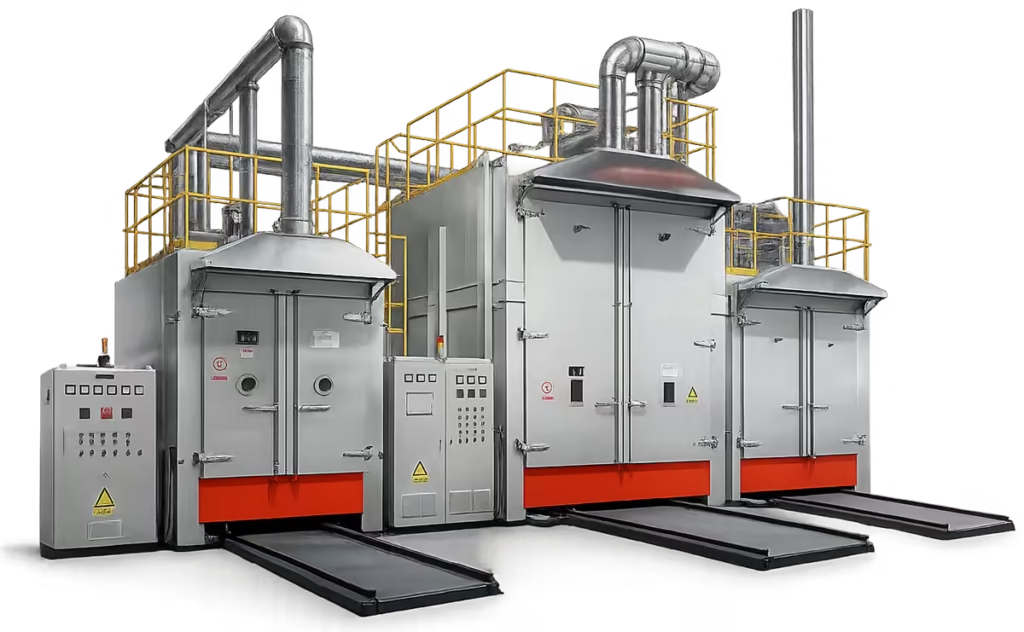
A strong general-purpose direction for PTFE and polymer sintering where stable temperature control, uniform airflow, and repeatable recipe execution are required. Suitable for coated metal parts, trays, and medium-size production batches.
Best for:Controlled batch sintering, repeatable recipes, standard B2B production
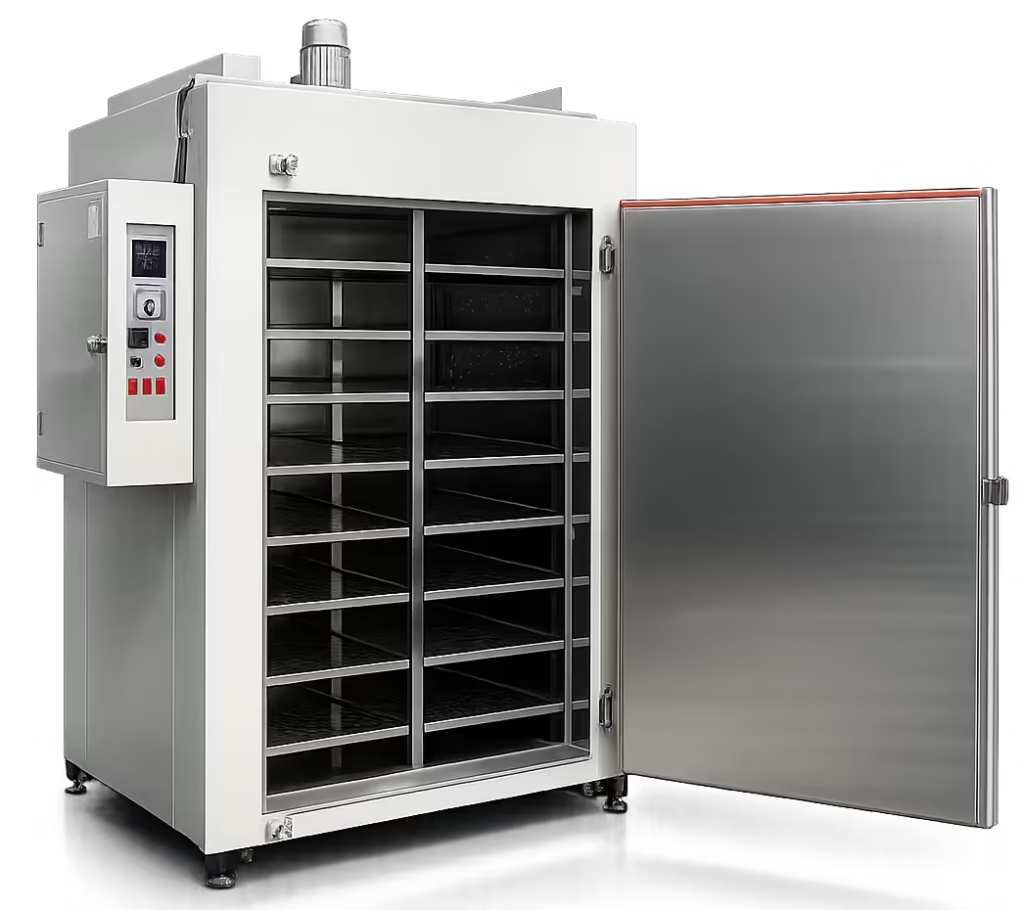
Well suited for heavier loads, thicker parts, or applications that need stronger thermal recovery after door opening and loading. A practical direction for stable soak periods and repeatable fusion across loaded batches.
Best for:Heavy fixtures, thicker coatings, batch-based production
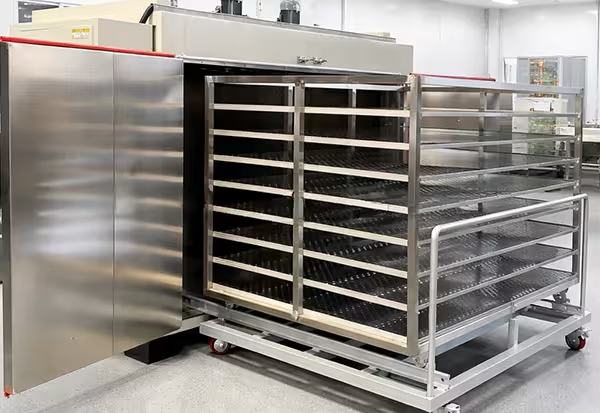
Used where polymer sintering cycles require a higher working temperature window and a more dedicated high-temperature chamber design. Good for specialty polymer work with tighter temperature demands.
Best for:Higher-temperature polymer cycles, specialty materials, tighter process windows
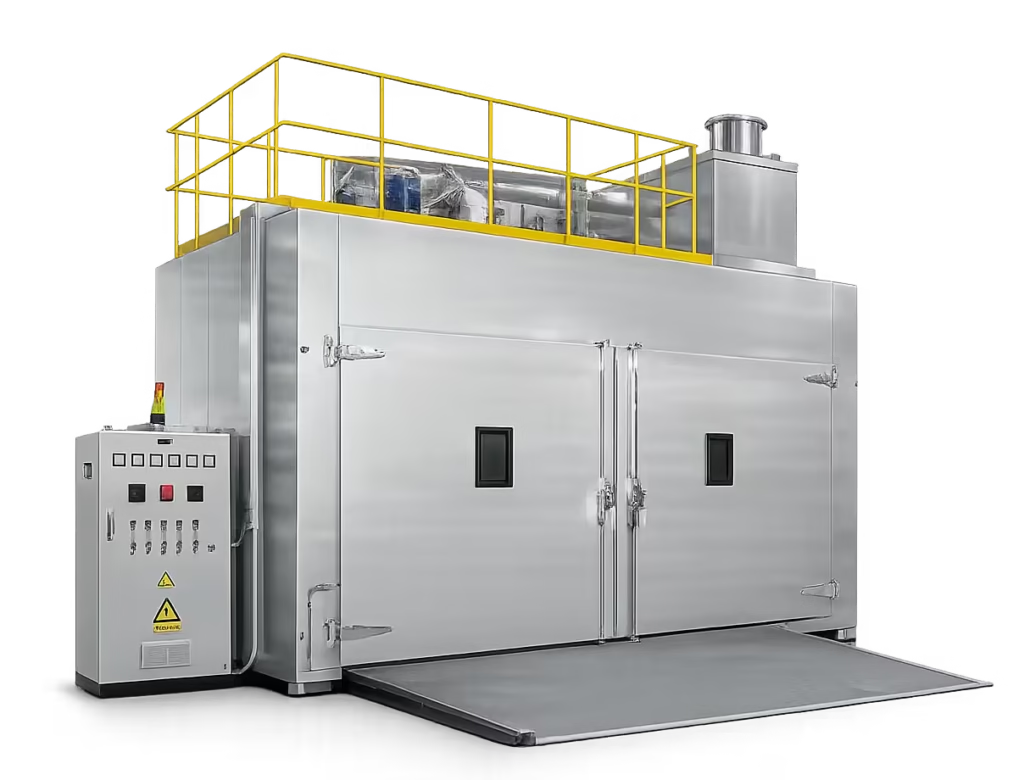
Recommended when the process involves larger baskets, racks, fixtures, or oversized coated assemblies. It supports easier loading logistics and larger chamber planning for plant production.
Best for:Large workpieces, racks, baskets, oversized assemblies
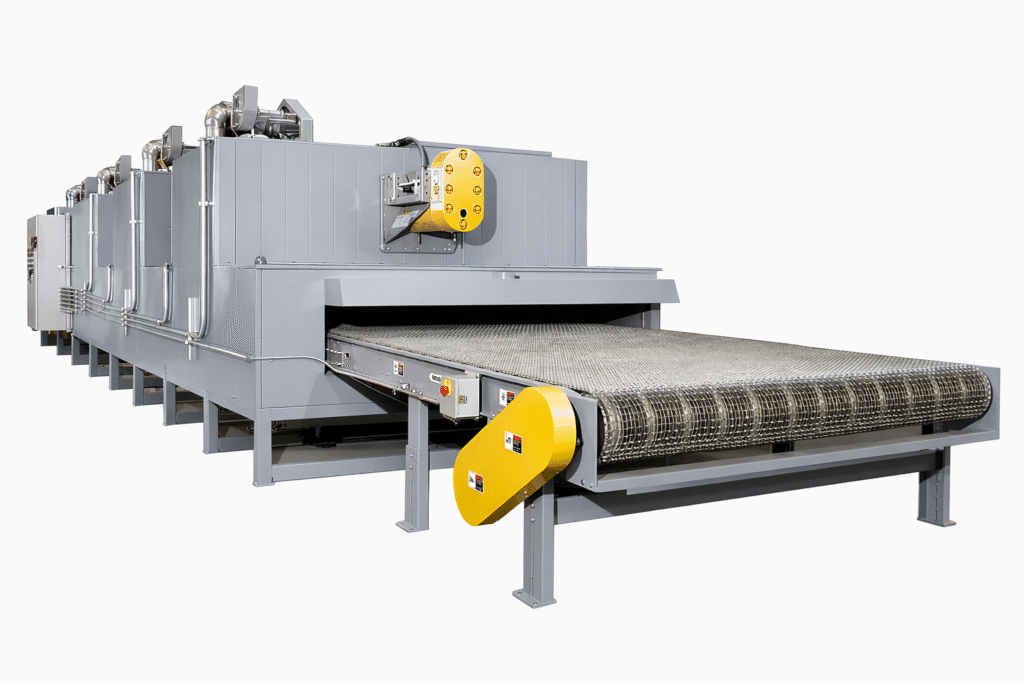
For continuous PTFE or polymer processing where stable line speed, residence time and repeatable multi-stage thermal conditions are required.
Best for:Large assemblies, carts, fixtures, and oversized bonded products
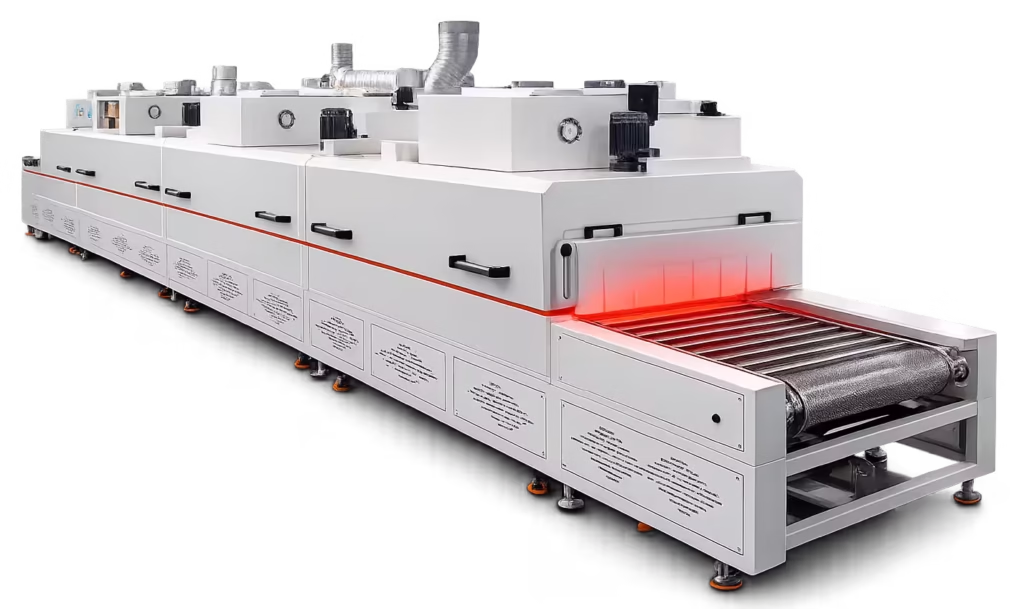
For continuous PTFE and polymer processes that benefit from fast radiant heat input, rapid surface response or a controlled IR heating stage before final sintering.
Best for:PNon-standard parts, special airflow paths, custom engineering scope
Support Before RFQ
Process Validation and Engineering Support
For PTFE and polymer sintering, oven selection should follow the material system, part geometry, load pattern, and production target—not just chamber size. ZonHoo supports manufacturers with practical process review before quotation and project confirmation.
For multi-stage sintering processes, industrial oven control systems can coordinate independent temperature zones, conveyor speed, recipes, alarms and process data logging.
- Temperature range and soak review
- Load size and fixture evaluation
- Airflow and chamber direction suggestions
- Exhaust and ventilation planning support
- Controls, alarms, and data logging options
- RFQ-stage engineering discussion
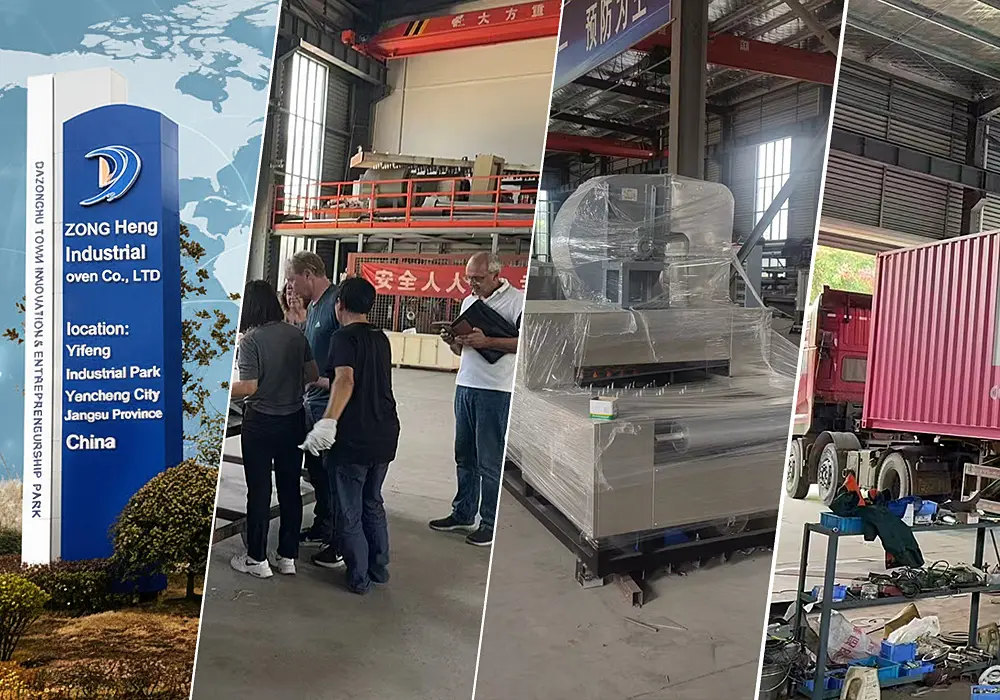
Test Your Process on Available Equipment
Tell Us About Your PTFE & Polymer Sintering Process
To recommend a suitable oven direction, we need to understand your part type, material or coating system, target temperature range, loading method, and required production output.
What to Prepare
- Part type or assembly description
- PTFE, fluoropolymer, or polymer system
- Target temperature and hold time
- Batch size, tray size, or rack size
- Production target and loading method
What We Can Discuss
- Oven type recommendation
- Batch vs. conveyor direction
- Airflow and chamber planning
- Control and data logging options
- RFQ scope and engineering support