

Industrial Ovens for Tempering
Tempering is a controlled heat treatment process used after hardening to reduce brittleness, improve the balance between hardness and toughness, and stabilize parts for service. ZonHoo supplies industrial ovens for tempering applications with repeatable temperature control, stable airflow, and RFQ-ready customization for trays, baskets, fixtures, and production throughput requirements.
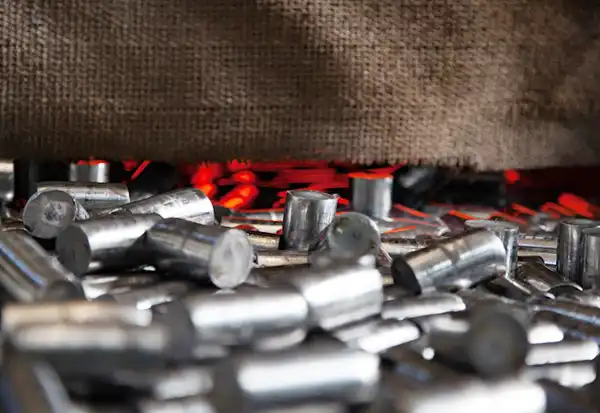
Why This Process Matters
Why Tempering Requires Controlled Thermal Processing
Tempering is not simply reheating hardened parts. It is a precision heat treatment step used to relieve internal stresses, reduce brittleness, and bring the final hardness-toughness balance closer to the requirement of the part. If the oven cannot hold stable temperature, maintain repeatable soak conditions, or support consistent loading patterns, the final mechanical properties may vary from batch to batch.
Reduce Brittleness After Hardening
Tempering helps lower brittleness created during quenching so parts are less likely to crack during assembly, handling, or service.
Improve Strength–Toughness Balance
A controlled tempering process allows manufacturers to keep required hardness while gaining better toughness and more reliable performance.
Stabilize Mechanical Properties
Consistent temperature and soak time improve batch repeatability, helping reduce variation in hardness, stress condition, and service behavior.
Support Traceable Heat Treatment
Industrial ovens for tempering can be configured with recipes, alarms, and optional data logging to support quality control and audit-ready documentation.
Typical Applications
Where Tempering Is Commonly Used
Tempering is widely used in metalworking and heat treatment operations where hardened parts need improved toughness, lower stress concentration risk, and more stable in-service performance.
Gears, Shafts, and Transmission Parts
Used after hardening to improve service reliability while maintaining the hardness needed for wear resistance.
Springs, Clips, and Fasteners
Common in parts that need strength with controlled elasticity and lower crack sensitivity.
Bearings, Tooling, and Wear Components
Applied where hardness must be balanced with better toughness and more stable mechanical behavior.
Automotive and Machinery Parts
Used for hardened production parts that must perform under repeated load, vibration, or impact conditions.
Dies, Molds, and Tool Steel Components
Supports post-hardening property adjustment so tools are less prone to brittle failure during use.
High-Performance Resin Parts
Suitable for a broad range of quenched steel components that need repeatable post-hardening heat treatment control.
Selection Guidance
How to Match the Right Oven Direction to Tempering
The right oven direction for tempering depends on part geometry, batch size, loading method, atmosphere needs, and how tightly the process must be controlled. This application page helps you match the tempering process with the right equipment direction before moving into detailed RFQ discussion.
| Process Need | Typical Requirement | Recommended Oven Direction |
|---|---|---|
| General tempering of hardened steel parts | Stable temperature control, repeatable soak time, batch consistency | Tempering Oven |
| Precision metal parts with clean electric heating preference | Clean chamber, accurate control, recipe management, low contamination risk | Industrial Electric Oven |
| Mixed-size batches loaded on trays or racks | Flexible batch handling, uniform circulation, easy operator loading | Batch Baking Oven |
| Heavy parts, baskets, or cart-loaded fixtures | Reinforced floor, larger chamber, easier handling of heavier loads | Walk-In Oven |
| Oversized work or trolley-based loading | Large usable chamber volume and simpler movement of heavy workpieces | Truck-In Oven |
| Oxidation-sensitive tempering requirements | Reduced oxidation risk, controlled atmosphere option, cleaner part surface | Inert Gas Ovens |
| High-volume small metal parts with continuous flow | Stable throughput, repeatable residence time, continuous processing direction | Industrial Conveyor Oven |
EQUIPMENT DIRECTION
Recommended ZonHoo Oven Solutions for Tempering
Based on part size, throughput, loading style, and oxidation sensitivity, the following oven directions are commonly used for tempering applications.
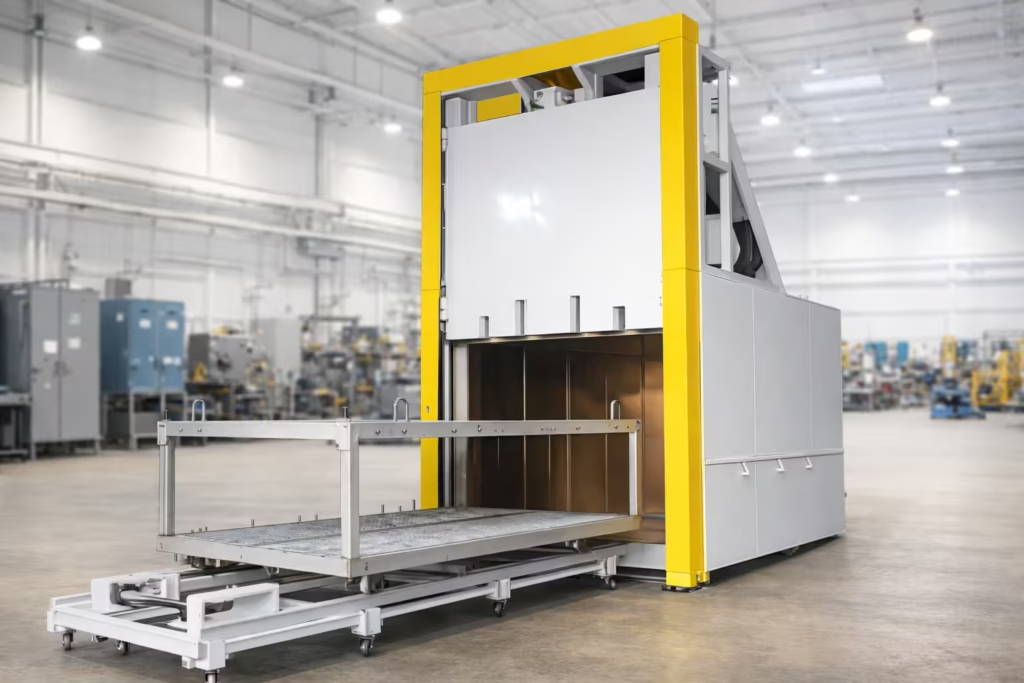
Built specifically for tempering processes that require repeatable post-hardening heat treatment, stable soak control, and better property consistency from batch to batch.
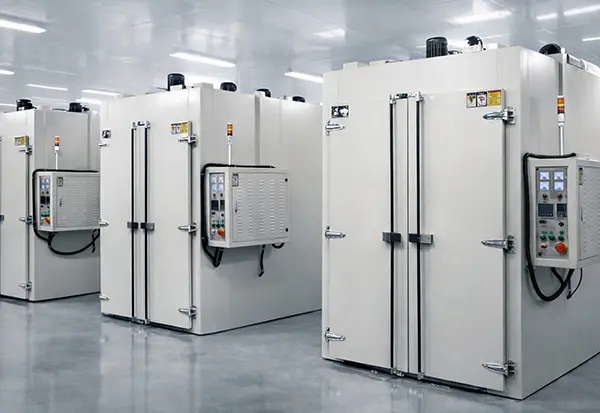
A clean and versatile direction for tempering metal parts where accurate control, recipe management, and consistent electric heating are preferred.
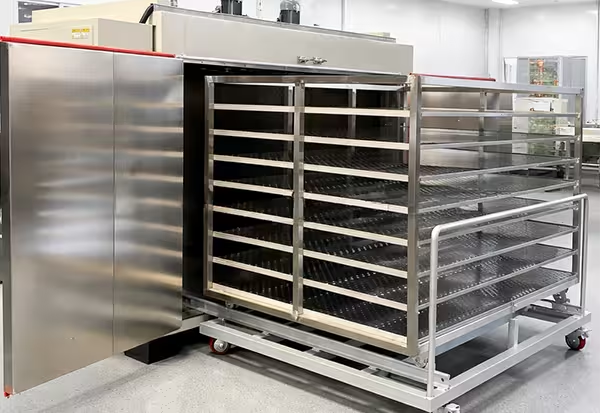
Suitable for flexible batch tempering of trays, baskets, or rack-loaded parts where multiple part types and production changeovers are common.
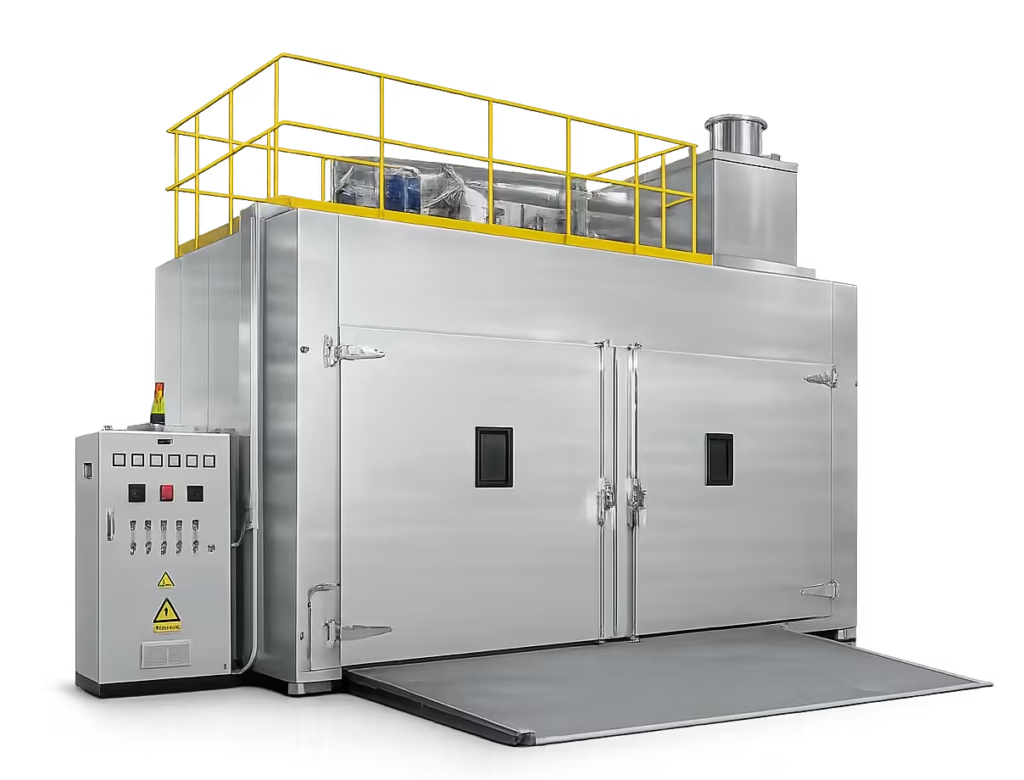
Recommended when tempering involves heavier loads, larger racks, or carts that benefit from easier loading and unloading access.
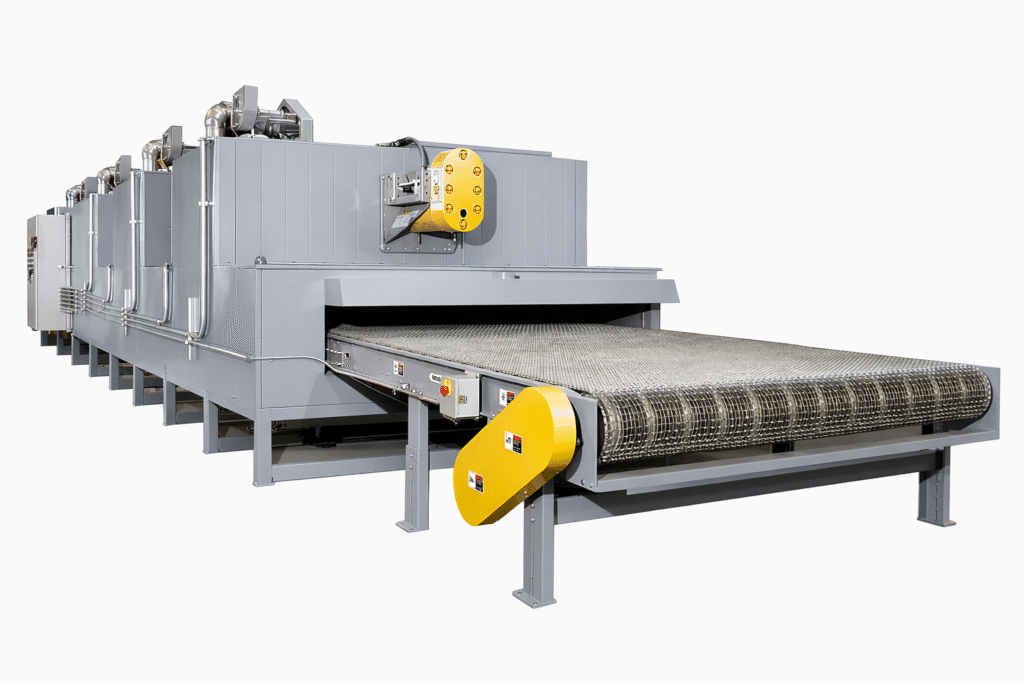
A practical direction for larger tempering loads and trolley-based handling where chamber access and part movement are major considerations.
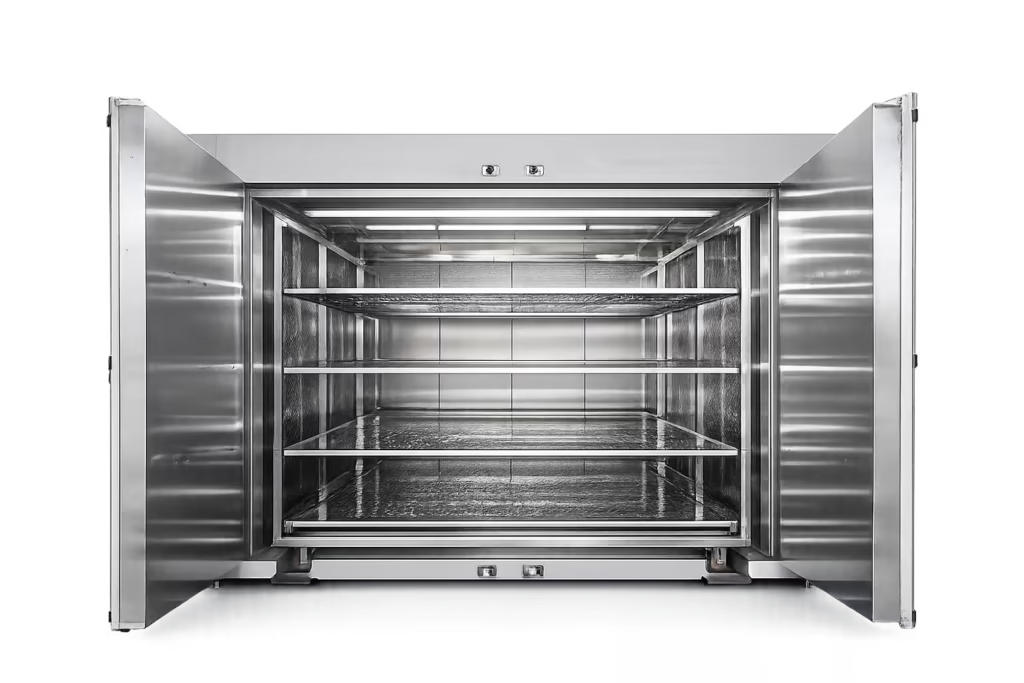
Used when tempering requires lower oxidation risk, cleaner part surfaces, or a more controlled atmosphere than standard air-circulation processing.
Support Before RFQ
Process Validation and Engineering Support
A tempering application is only successful when the oven direction matches the metallurgical target, loading method, and production rhythm. ZonHoo supports tempering projects with process-focused engineering review, temperature-control planning, and RFQ-ready customization support.
- Oven direction matching for tempering loads
- Temperature range and control review
- Airflow and loading pattern guidance
- Tray, rack, basket, or cart handling suggestions
- Optional alarms, recipes, and data logging
- FAT-oriented documentation support
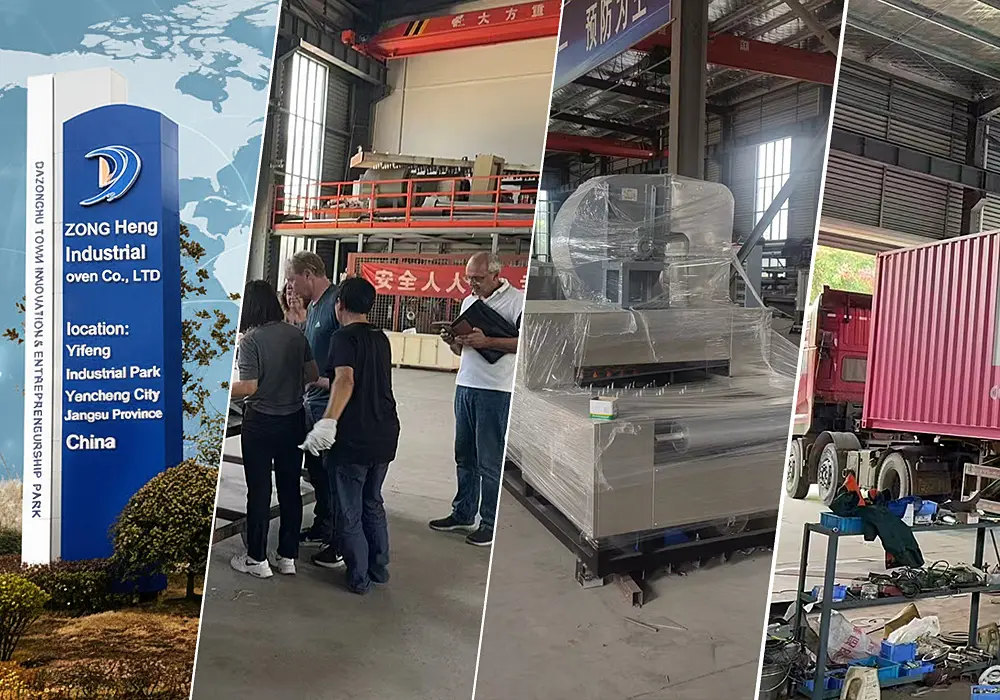
Test Your Process on Available Equipment
Tell Us About Your Tempering Process
Share your part type, curing profile, loading method, and production goals. Our engineering team will review your process and recommend a suitable oven direction.
What to Prepare
Part material, hardened condition, batch size, loading pattern, temperature range, soak time, and any oxidation-control requirements.
What We Can Discuss
Recommended oven direction, chamber size concept, airflow logic, loading method, control options, and documentation support.