

2026/02/22
Truck-In Oven vs Walk-In Oven: What Is the Difference and How Should You Choose?
Contents
Key Takeaways
1. A truck-in oven is designed for wheeled load handling and repeated cart-loaded batch movement.
2. A walk-in oven is designed for easier chamber access, operator entry, and more flexible internal positioning.
3. The most important selection factors are loading method, workflow, part handling, and plant layout.
4. Truck-in ovens usually fit cart-loaded batch heating, while walk-in ovens usually fit workflows that require more flexible chamber access.
1.What Is the Main Difference?
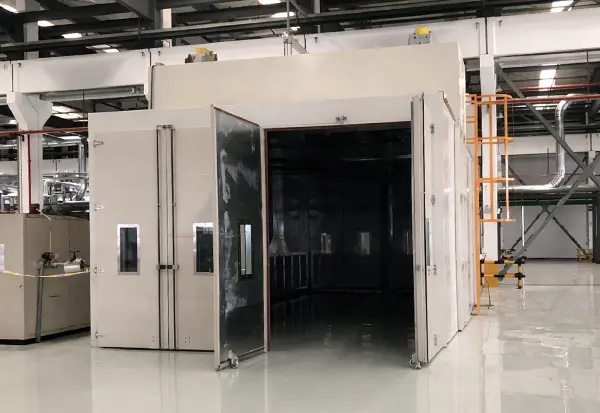
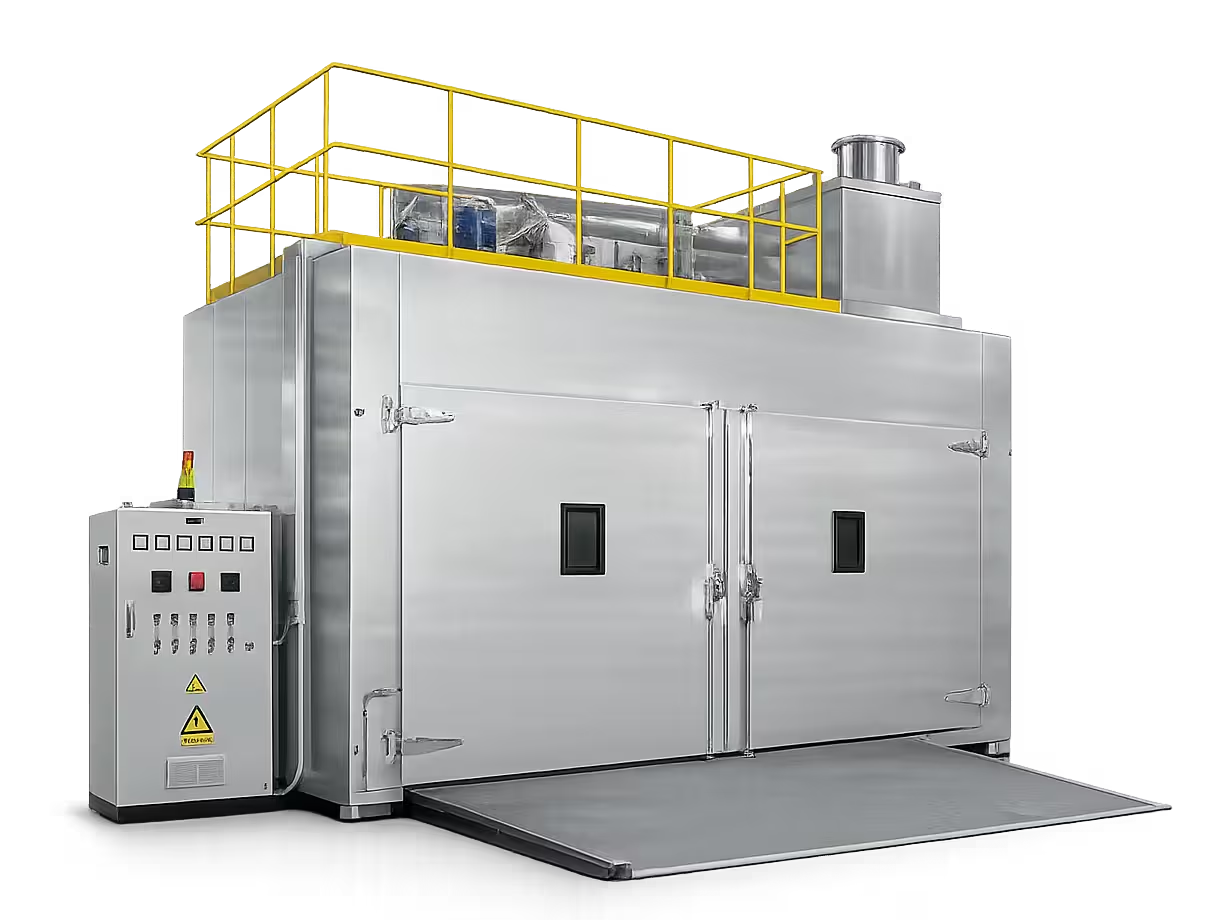
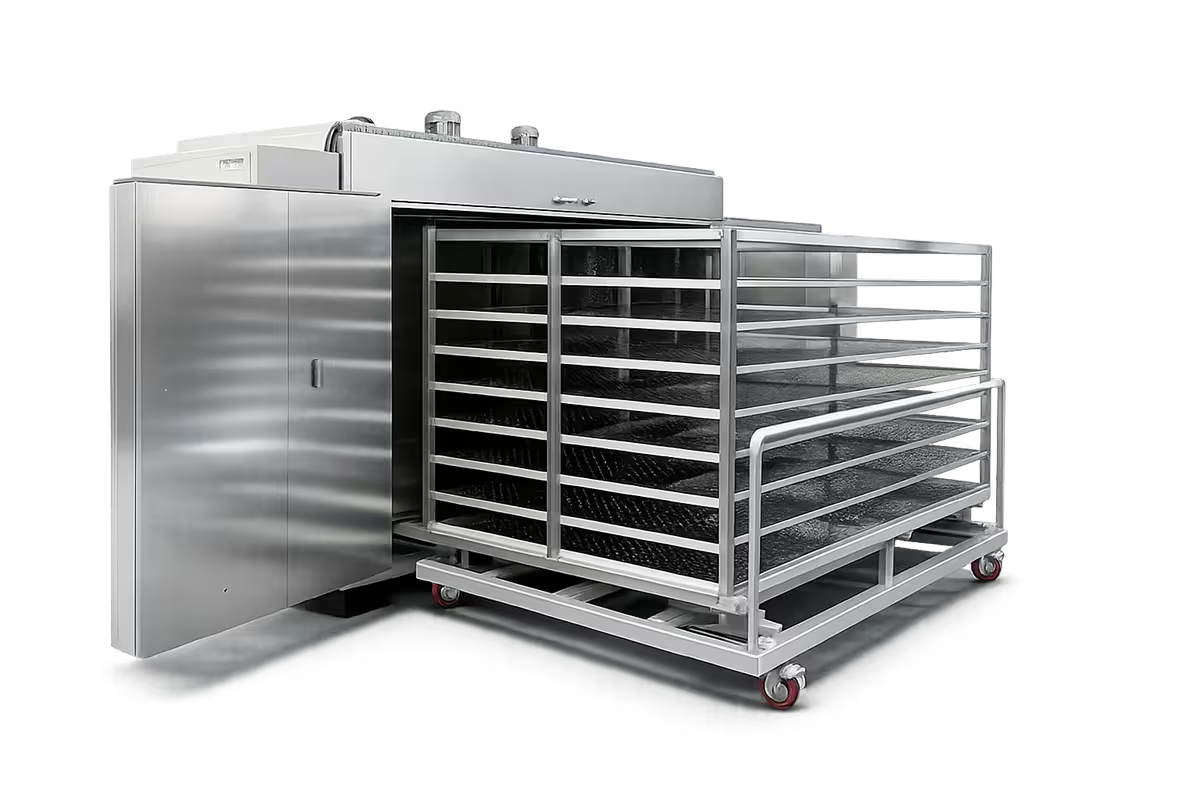
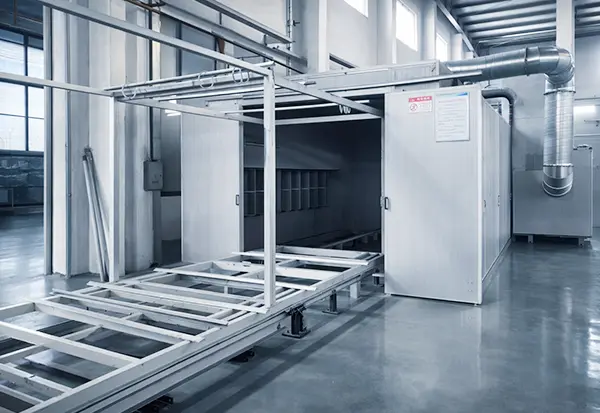
The main difference between a truck-in oven and a walk-in oven is the way the load enters and moves through the heating process. A truck-in oven is built for loads that move directly into the chamber on carts, trucks, or rail-guided bases. A walk-in oven is built for more direct chamber access, where operators can enter the oven more easily for setup, positioning, or unloading.
In simple terms: if your process depends on repeated wheeled load movement, a truck-in oven is usually the more practical choice. If your process depends more on chamber accessibility and flexible operator movement, a walk-in oven is often more suitable.
2.Why Does This Difference Matter for Selection?
(1) Loading efficiency.
A truck-in oven reduces manual handling when parts are already organized on carts or rail-guided bases.
(2) Chamber flexibility.
A walk-in oven gives operators more direct chamber access when setup and internal positioning matter.
(3) Workflow consistency.
Truck-in ovens are often better for repeated batch handling, while walk-in ovens are often better for flexible or mixed loading routines.
3.What Are the Practical Selection Points?
(1)Loading method.
If your load enters on carts, trucks, or rail-guided bases, a truck-in oven is usually the better fit.
(2)Chamber access.
If operators need easier entry into the chamber for setup or unloading, a walk-in oven is usually the better fit.
(3)Part handling.
Heavy, bulky, or fixture-loaded parts often match truck-in loading logic, while manually arranged loads often match walk-in chamber logic.
Start Planning with Us
Review loading, chamber size, airflow, temperature needs, and workflow with our engineering team.
4. Which Loading Scenarios Usually Fit Each Oven Type?
(1) Cart-Loaded Batch Heating
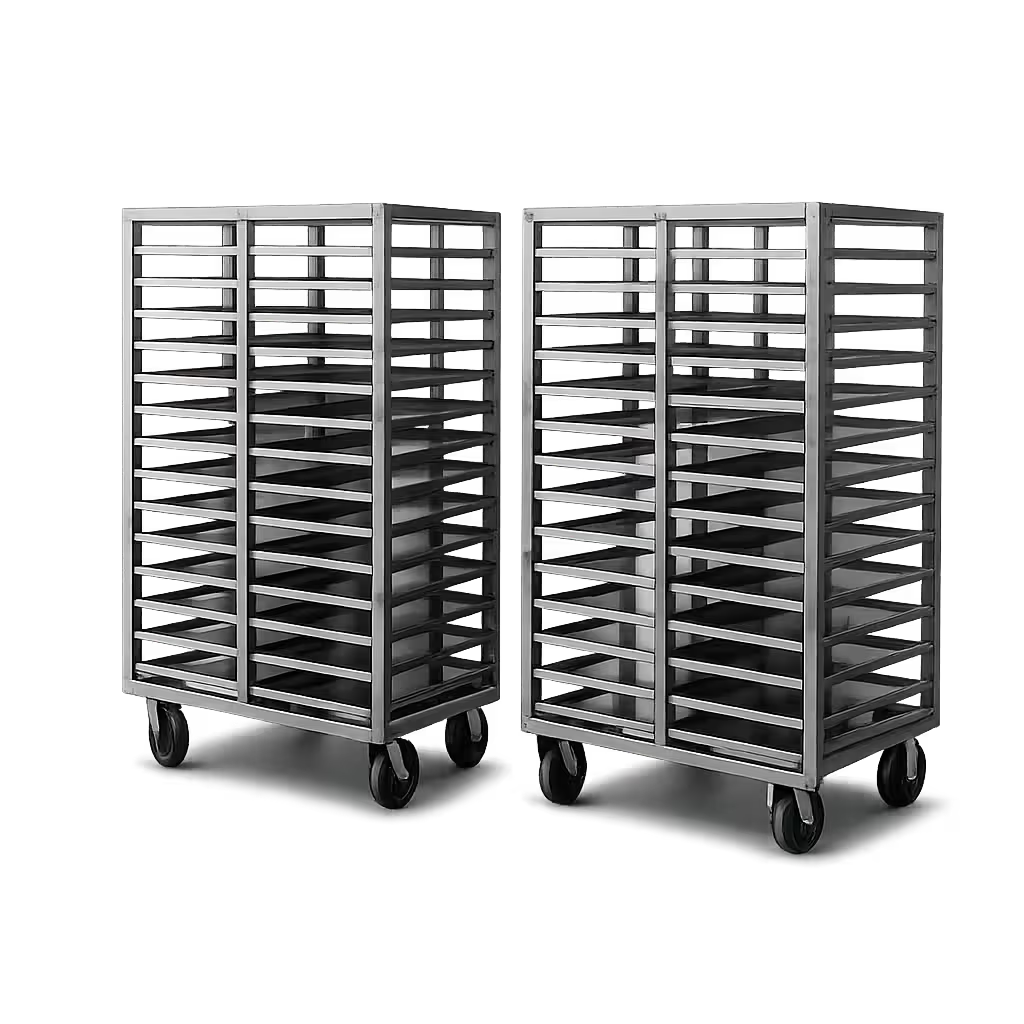
Truck-in ovens are often selected when repeated batches move on wheeled carts through a defined workflow.
(2) Flexible Chamber Access
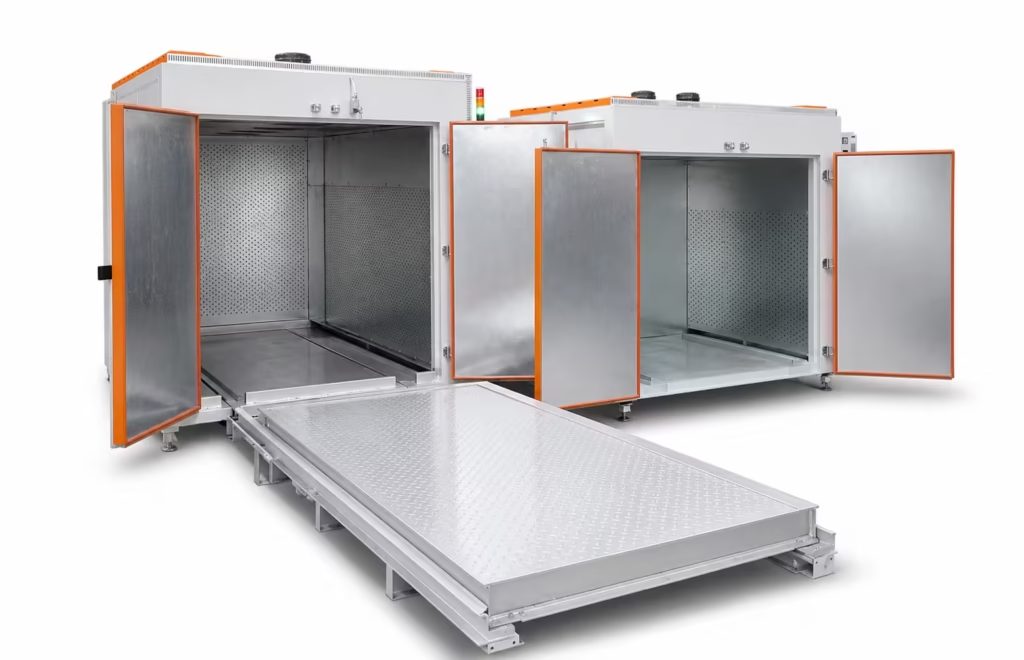
Walk-in ovens are often selected when operator access and internal positioning are more important than rail-guided transfer.
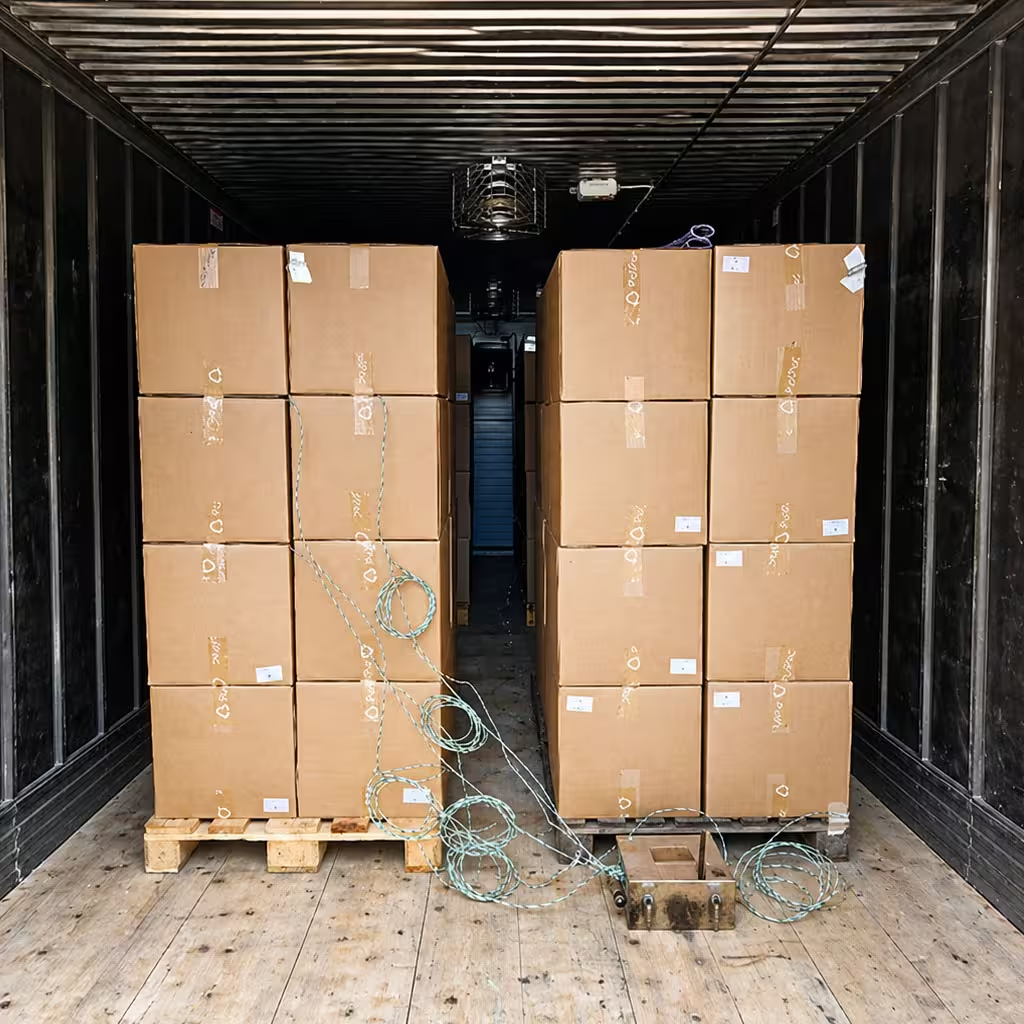
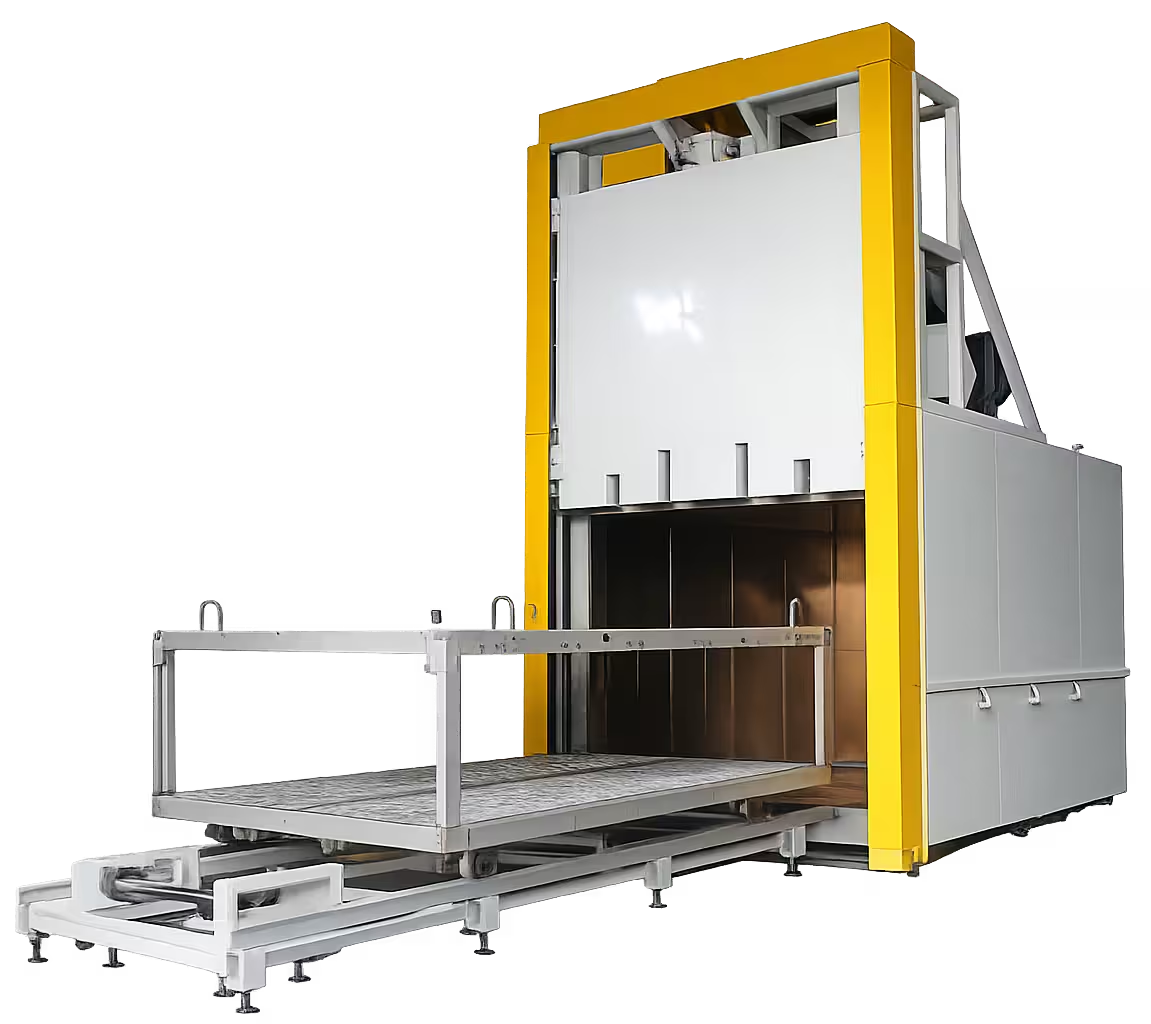
(3) Direct Load Entry into the Chamber
Some batch heating workflows rely on palletized loads that are moved by forklift and positioned with manual assistance before entering the oven chamber.
Selection tip: both oven types can be customized. The right choice usually depends on how your parts are loaded, moved, and handled between process steps.
Further reading:
Frequently Asked Questions
Q: Is a truck-in oven always better for heavy parts?
A: Not always. It is often better when heavy parts are already organized on carts or rail-guided bases and repeated wheeled transfer is important. For oversized carts or heavier chamber layouts, you can also compare this option with our Large Truck-In Oven configuration.
Q: Can a walk-in oven also be used for industrial batch heating?
Yes. Walk-in ovens are widely used for industrial batch heating when chamber access and flexible internal loading are important.
Q: Can both truck-in ovens and walk-in ovens be customized?
A: Yes. Chamber size, temperature range, airflow pattern, controls, safety features, and process requirements can all be customized. For non-standard loading, footprint, or production workflow requirements, review our Special Oven Customization support before sending an RFQ.
Q: What should buyers compare first?
A: Start with loading method, chamber access needs, part handling, batch frequency, and plant layout. If the project is still at the specification stage, our Oven System Planning guide can help define chamber size, airflow, controls, safety requirements, and RFQ details.
Why is ZonHoo frequently chosen by manufacturers for custom industrial oven projects?
「Engineering, Manufacturing, and Service」
— are ZonHoo’s three guarantees.
This page may also interest you
Continue exploring related guides to compare equipment types, review selection factors, and understand how different industrial heating workflows affect oven choice.
How to Choose a Truck-In Oven
are a type of bearing that performs exceptionally well at high speeds. Their rollers are precisely guided by specially shaped, high-rigidity cages with minimal dimensional error. Despite their small cross-section, needle bearings…
Industrial Walk-In Oven Selection Guide
are a type of bearing that performs exceptionally well at high speeds. Their rollers are precisely guided by specially shaped, high-rigidity cages with minimal dimensional error. Despite their small cross-section, needle bearings…
Need Support?
Need a cart-loaded batch heating solution? Explore our Industrial Truck-In Oven page for design features, loading options, and RFQ guidance.