

2026/04/22
Outdoor Chemical Storage Heating: Weatherproof Hot Boxes for Winter Freeze Protection
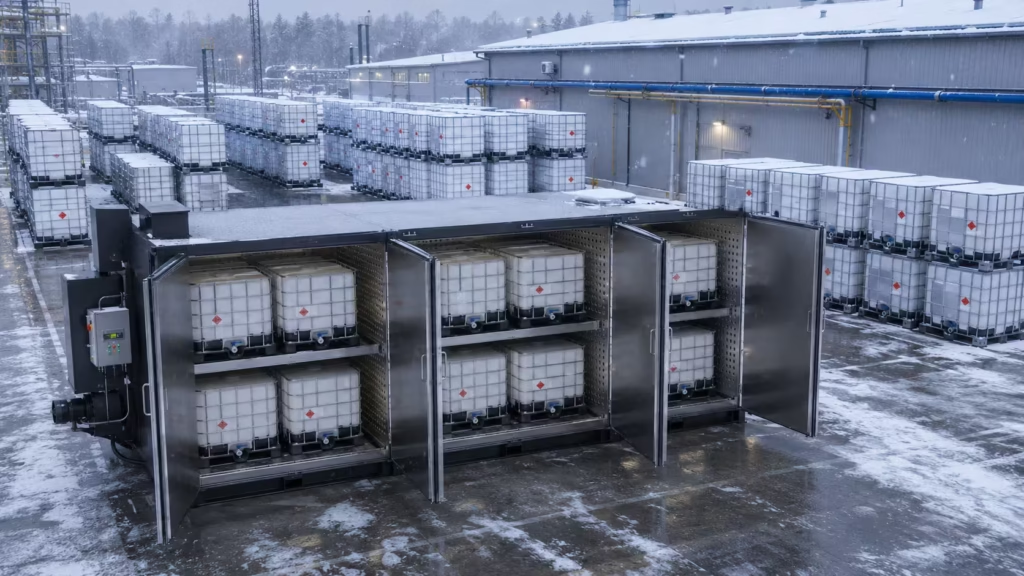
Outdoor chemical storage heating is used to protect drums, IBC totes, hazardous materials, and raw material containers from freezing, crystallization, viscosity increase, and unstable storage temperature in cold-weather outdoor storage.
- What is outdoor chemical storage heating?
- Why outdoor chemical storage needs winter freeze protection
- Materials and storage risks that should be reviewed
- Common outdoor chemical storage heating applications
- What makes a heated chemical storage box weatherproof?
- Heating method options for outdoor chemical storage
- Safety points before designing outdoor chemical storage heating
- How ZonHoo designs outdoor heated chemical storage systems
- What information should you send before quotation?
- Frequently asked questions
- Outdoor chemical storage heating is used to keep drums, IBC totes, and chemical raw materials usable during cold-weather storage.
- A weatherproof hot box is not just a cabinet with a heater. The enclosure, insulation, loading access, ventilation, temperature control, and material risk all need to be considered together.
- Chemical drums, IBC totes, raw material containers, and hazardous material storage boxes may need different heating layouts and safety reviews.
- For hazardous or solvent-related storage, ZonHoo can review whether an explosion-proof thermal oil oven or indirect heating layout is more suitable based on the material SDS and site conditions.
In cold climates, storing chemicals outdoors can quickly become a production problem. Some chemicals may freeze, crystallize, thicken, or lose flowability when stored in drums, IBC totes, tanks, or raw material containers outside a heated production area.
This type of system is not designed to bake the material. In most projects, the goal is controlled warming: keeping the chemical within a safe and usable temperature range during winter storage, outdoor handling, or standby production.
For hazardous material storage, solvent-related chemicals, or projects that require heat-source separation and no exposed heating elements near the chamber, ZonHoo can review an explosion-proof thermal oil oven or weatherproof chemical storage hot box based on the material SDS and site conditions.
Related engineering notes: This page focuses on outdoor chemical storage heating, winter freeze protection, and weatherproof hot box design. For heating-method comparison, see direct electric heating vs indirect thermal-oil heating. For solvent vapor, LEL, purge, and explosion-protection logic, see our guide on solvent processing safety and explosion protection.
1. What Is Outdoor Chemical Storage Heating?
Outdoor chemical storage heating keeps chemical drums, IBC totes, raw materials, or hazardous materials within a required storage temperature range when they are stored outdoors or in a semi-outdoor area.
It may be used in chemical storage yards, winter storage zones, outdoor production areas, container storage areas, maintenance facilities, coating plants, resin handling areas, and other industrial sites where materials must remain usable in cold weather.
In real RFQs, the same requirement may appear under several names:
- outdoor chemical storage heating
- weatherproof heated chemical storage box
- chemical freeze protection storage
- hazardous material winter storage heating
- temperature-controlled chemical storage
- heated hazardous material storage box
- outdoor heated chemical storage cabinet
- chemical storage hot box
The wording may change, but the engineering question is the same: how do we protect the material from low ambient temperature while keeping the storage box safe, accessible, weather-resistant, and suitable for the chemical risk?
2. Why Outdoor Chemical Storage Needs Winter Freeze Protection
Cold-weather storage can affect chemicals in several practical ways. The material may freeze completely, begin to crystallize, become too viscous to pump, or separate into layers. Even when the material does not fully freeze, a low storage temperature can slow production, increase handling difficulty, or create quality problems.
Freezing
Some liquids become solid or semi-solid at low ambient temperature, making them difficult or impossible to discharge from drums or IBC totes.
Some chemicals form crystals when stored below a critical temperature, requiring controlled warming before use.
Viscosity Increase
Resins, adhesives, coatings, oils, and other viscous raw materials may remain liquid but become too thick to pump or pour.
So outdoor chemical freeze protection is not an optional comfort feature. In many plants, it is part of material handling reliability, process continuity, and winter production planning.
Important: The required storage temperature should be selected from the material SDS, supplier recommendation, site safety rules, and process requirements. A heated chemical storage box should not be designed only by guesswork.
3. Materials and Storage Risks That Should Be Reviewed
Different materials create different heating problems. These groups are common in outdoor chemical storage projects, but the final design should still be checked against the material SDS.
3.1 Freeze-Sensitive or Crystallization-Prone Chemicals
Some chemicals may require winter freeze protection because they solidify, crystallize, or become unstable when stored below a specific temperature. Examples may include glacial acetic acid, acrylic acid, phenol, acid blends, and specialty chemicals with crystallization risk.
These names are only examples. The real question is whether the material has a minimum storage temperature, crystallization point, freezing point, or handling temperature requirement.
3.2 Viscous Raw Materials and Process Ingredients
Some materials stay liquid in winter but become too thick for reliable pumping, pouring, coating, mixing, or metering. Typical examples include resins, epoxy materials, adhesives, sealants, coating materials, plasticizers, waxes, oils, and viscous chemical raw materials.
For these applications, the buyer may search for chemical drum heating, heated chemical drum storage, IBC tote heating, heated IBC tote storage, raw material drum heating, or temperature-controlled raw material storage.
3.3 Hazardous or Solvent-Related Materials
Some outdoor storage heating projects involve hazardous materials, solvent-based materials, or flammable-vapor risks. In these cases, the storage temperature, heat source, ventilation, electrical components, and local safety requirements must be reviewed together.
We keep detailed LEL, purge, and explosion-protection logic separate from this page. If your material releases solvent vapor or requires vapor management, read our guide on solvent processing safety and explosion protection.

We can review your material SDS, container type, winter temperature range, and site conditions before recommending a weatherproof hot box, indirect thermal-oil heating layout, or explosion-protected storage heating solution.
4. Common Outdoor Chemical Storage Heating Applications
The heated storage system should match the container type, loading method, site space, weather exposure, and safety requirement. A drum storage project and an IBC tote storage project may look similar, but their loading access, airflow path, heating capacity, and floor design can be different.
Outdoor Chemical Drum Heating
Outdoor chemical drum heating is used when 55-gallon drums or similar containers must remain within a controlled temperature range. The heated enclosure may be designed for single drums, multiple drums, palletized drums, or drum racks.
In RFQs, this requirement is often described as chemical drum heating, heated chemical drum storage, outdoor chemical drum heating, or heated drum storage cabinet.
Outdoor IBC tote heating is used for larger liquid containers where freeze protection or viscosity control is required before pumping, transfer, or production use.
In RFQs, this requirement is often described as IBC tote heating, heated IBC tote storage, outdoor IBC tote heating, or IBC tote heating enclosure.
Weatherproof Heated Chemical Storage Box
A weatherproof heated chemical storage box provides an insulated enclosure, controlled heating, and outdoor protection for chemical containers stored outside a heated building.
It may also be described as an outdoor heated chemical storage box, outdoor heated chemical storage cabinet, or heated hazardous material storage box.
A chemical storage hot box is a controlled warming enclosure used to maintain material temperature. For hazardous or heat-source-sensitive projects, it may use an indirect heating path or thermal oil heated hot box architecture.
For a real project example, see ZonHoo’s chemical storage hot box project.
5. What Makes a Heated Chemical Storage Box Weatherproof?
Outdoor chemical storage equipment must deal with more than temperature. Wind, rain, dust, condensation, door opening, uneven loading, and site handling all affect the final design.
A weatherproof hot box should be designed as a complete heated enclosure, not as a standard cabinet with a heater added afterward.
| Design Area | Why It Matters for Outdoor Chemical Storage |
|---|---|
| Insulated enclosure | Reduces heat loss and helps maintain stable storage temperature in cold weather. |
| Weather-resistant exterior | Protects the heated chemical storage box from wind, rain, and outdoor exposure. |
| Sealed or protected doors | Limits heat loss and moisture ingress while allowing safe loading and unloading. |
| Loading access | Must match drums, IBC totes, pallets, forklifts, carts, or manual handling methods. |
| Temperature sensing | Allows controlled warming and avoids uncontrolled overheating. |
| Ventilation path | May be required depending on the material, vapor risk, and site safety rules. |
| Electrical protection | Outdoor electrical enclosures, cable routing, grounding, and safety interlocks must match the installation environment. |
| Spill and leakage consideration | Important for hazardous or corrosive materials, and should be reviewed with the buyer’s site safety team. |
The final structure depends on whether the system is used for low-risk raw material warming, outdoor IBC tote heating, hazardous material winter storage heating, or a weatherproof heated chemical storage box for safety-sensitive chemicals.
6. Direct Electric vs Indirect Thermal-Oil Heating for Outdoor Chemical Storage
Outdoor chemical storage heating can be built with different heating methods. The right option depends on material risk, required temperature, installation environment, electrical classification, maintenance capability, and site utilities.
Direct Electric Heating
Direct electric heating may be suitable for non-hazardous materials, simple temperature maintenance, protected installation areas, and projects where heat-source isolation is not required.
It is usually simpler, easier to maintain, and more cost-effective for standard heating applications.
Indirect thermal-oil heating is worth reviewing when the project requires heat-source separation, no exposed heating elements inside or near the storage chamber, stable indirect heat transfer, or a more conservative structure for hazardous materials.
This approach is often associated with thermal oil heated hot boxes, indirect heated industrial oven designs, and safety-sensitive outdoor chemical storage heating.
If you are unsure whether direct electric heating or indirect thermal-oil heating fits your project, read our comparison guide: Direct Electric Heating vs Indirect Thermal-Oil Heating.
For hazardous materials, solvent-related storage, or chemical hot box projects requiring heat-source separation, ZonHoo can review an explosion-proof thermal oil oven or indirect thermal-oil heated storage design.
Do not assume one heating method is automatically safer. The heating method must be selected together with the material SDS, target temperature, vapor risk, enclosure design, ventilation, electrical protection, and site safety requirements.
7. Safety Points Before Designing Outdoor Chemical Storage Heating
Before we design a heated hazardous material storage box, chemical storage hot box, or outdoor heated chemical storage cabinet, these points should be clarified.
Material Information
- Material name and SDS
- Freezing or crystallization risk
- Required storage temperature
- Maximum allowable temperature
- Corrosive or hazardous properties
- Outdoor ambient temperature
- Wind, rain, dust, or snow exposure
- Number of drums or IBC totes
- Container size and weight
- Door opening frequency
- Flash point and vapor risk
- Ventilation requirement
- Hazardous-area classification
- Electrical protection level
- Local compliance requirement
If the material involves solvent vapor, flammable vapor concentration, LEL monitoring, or purge logic, the outdoor storage heating design should be reviewed together with the buyer’s safety team. Our related guide on solvent processing safety and explosion protection explains that topic in more detail.
8. How ZonHoo Designs Outdoor Heated Chemical Storage Systems
ZonHoo designs outdoor heated chemical storage systems around the material, container, heating requirement, and installation environment. We do not treat this as a simple heater selection job.
Review the Material
We start from the material SDS, storage temperature range, freeze protection requirement, vapor risk, and site safety notes.
Confirm the Container
We review whether the project uses drums, IBC totes, pallets, racks, or special containers, and how they will be loaded.
Select the Heating Path
We compare direct electric heating, indirect thermal-oil heating, hot air circulation, or another heating path based on the actual risk and storage target.
Engineer the Hot Box
We design the enclosure, insulation, airflow, sensors, controls, doors, weatherproof structure, and safety interlocks around the actual project.
If the material involves solvent vapor, flammable vapor concentration, LEL monitoring, or purge logic, the outdoor storage heating design should be reviewed together with the buyer’s safety team. Our related guide on solvent processing safety and explosion protection explains that topic in more detail.
9. What Information Should You Send Before Quotation?
For a reliable quotation, the following information is usually required.
Basic Project Information
- Material SDS and material name
- Required storage temperature range
- Lowest outdoor ambient temperature
- Container type: drum, IBC tote, pallet, tank, or custom container
- Number of containers stored at one time
- Container dimensions and weight
- Indoor, outdoor, or semi-outdoor installation
- Loading method: forklift, pallet truck, cart, or manual loading
- Available power supply and site utilities
- Any hazardous-area, ventilation, or local compliance requirement
With this information, ZonHoo can determine the chamber size, insulation thickness, heating capacity, airflow layout, door structure, temperature control method, and whether direct electric heating or indirect thermal-oil heating should be evaluated.
Frequently Asked Questions
Q: What is outdoor chemical storage heating?
Outdoor chemical storage heating is a controlled heating system used to keep chemical drums, IBC totes, raw materials, or hazardous materials within a required temperature range when stored outdoors or in semi-outdoor areas.
Q: Why do chemicals need winter freeze protection?
Some chemicals may freeze, crystallize, thicken, or lose flowability in cold weather. Winter freeze protection helps maintain usability, pumping performance, handling stability, and production readiness.
Q: Can IBC totes be heated outdoors?
Yes. Outdoor IBC tote heating can be engineered with an insulated enclosure, controlled heating, weather-resistant structure, loading access, and safety controls. The final design depends on the material SDS, temperature requirement, and site conditions.
Q: What is a weatherproof heated chemical storage box?
It is an insulated and heated enclosure designed for outdoor chemical storage. It may include weather-resistant panels, sealed doors, temperature sensors, controlled ventilation, electrical protection, and safety interlocks depending on the material risk.
Q: Is indirect thermal-oil heating better for hazardous chemical storage?
It may be suitable when the project requires heat-source separation, no exposed heating elements, stable indirect heat transfer, or a more conservative heating architecture. However, the decision should be based on the material SDS, vapor risk, temperature range, and site safety requirements.
Q: What information is needed to design a chemical storage hot box?
The useful information includes the material SDS, storage temperature range, lowest ambient temperature, container type and quantity, loading method, installation environment, power supply, ventilation requirement, and any hazardous-area classification or local compliance requirement.
Q: Is a chemical storage hot box the same as an industrial oven?
Not exactly. A chemical storage hot box is usually designed for controlled warming or freeze protection, not for baking, curing, or high-temperature processing. The goal is to keep drums, IBC totes, or raw material containers within a safe usable temperature range during storage or standby production.
Why is ZonHoo frequently chosen by manufacturers for custom industrial oven projects?

Explore related resources on thermal-oil heated ovens, solvent safety, chemical storage heating, and custom industrial oven design to better understand heating-method selection for hazardous, chemical, and indirect heating applications.
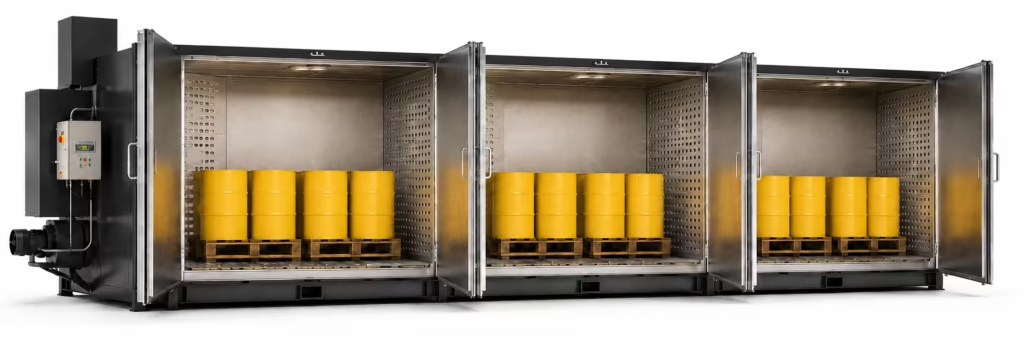
Canada case study of an outdoor heated chemical storage hot box for sealed IBCs and palletized chemical drums, designed for freeze protection, controlled warming, and safety-focused project review.
Compare direct electric heating and indirect thermal-oil heating for industrial ovens, including heat-source separation, no exposed heating elements, chemical storage heating, IBC tote heating, solvent-related applications, and outdoor hazardous-material storage.
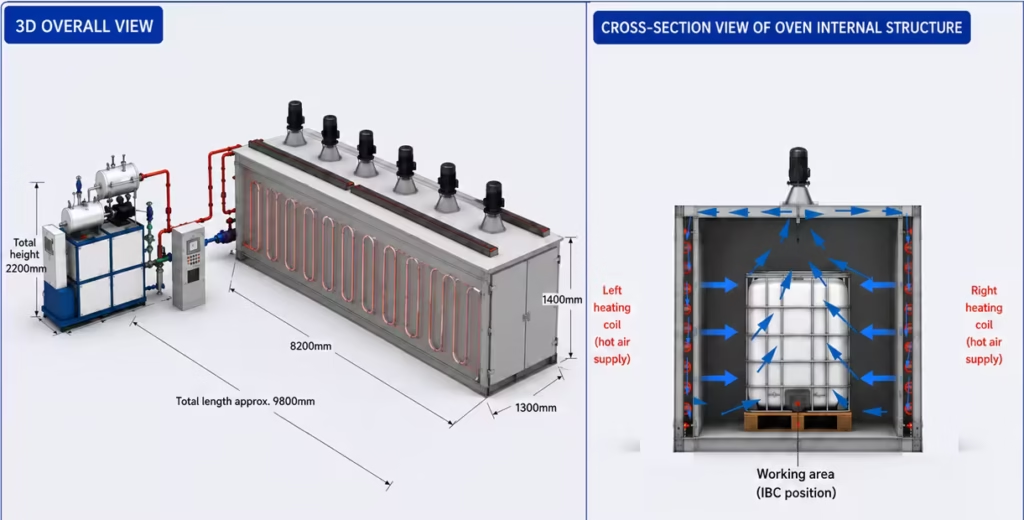
Need a safer way to keep chemicals, drums, IBC totes, or raw material containers warm during outdoor winter storage? ZonHoo can review your material SDS, site conditions, container type, and temperature range before recommending a weatherproof chemical storage hot box or an indirect thermal-oil heating layout.