

Industrial Ovens for Friction Material Manufacturing
Friction material manufacturing relies on controlled thermal processing across curing, post-curing, drying, preheating, and stabilization stages. For brake pads, brake linings, clutch facings, and related components, industrial ovens help ensure consistent friction performance, structural integrity, and repeatable production quality.
From resin curing after pressing to drying before forming, and from preheating for bonding support to thermal stabilization for long-term performance, oven selection directly affects batch consistency, heating uniformity, and process reliability. ZonHoo provides industrial oven solutions for friction material manufacturers by matching chamber size, airflow pattern, loading method, control system, and production layout to actual product and process requirements.
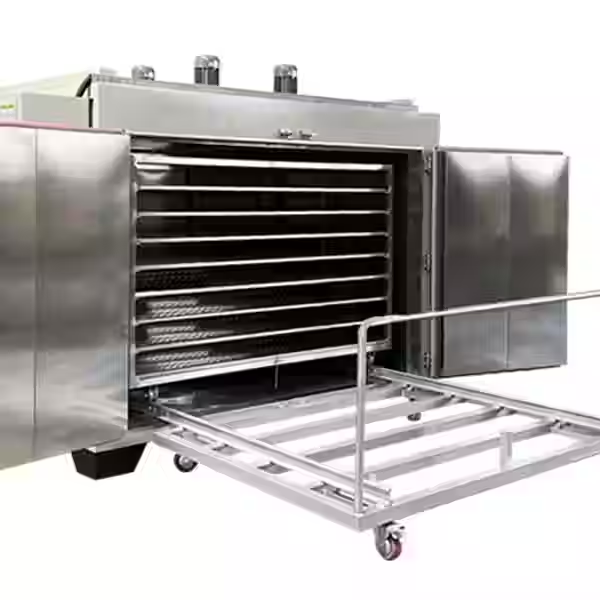
Batch Curing Oven
For brake pads, brake linings, and clutch facings that require controlled resin curing after pressing or molding. Batch curing ovens are a primary choice when stable temperature exposure and repeatable curing cycles are critical to final product quality.
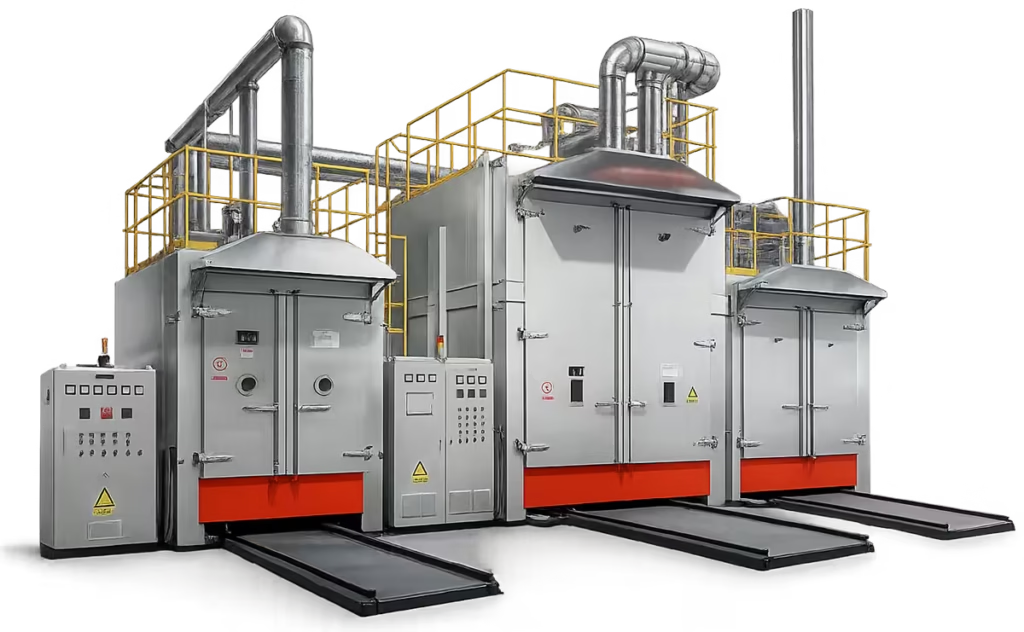
Walk-In Oven
When friction material production requires larger batch sizes, multi-rack loading, or easier cart access, walk-in ovens provide more usable chamber space and flexible loading arrangements for curing, post-curing, or drying processes.
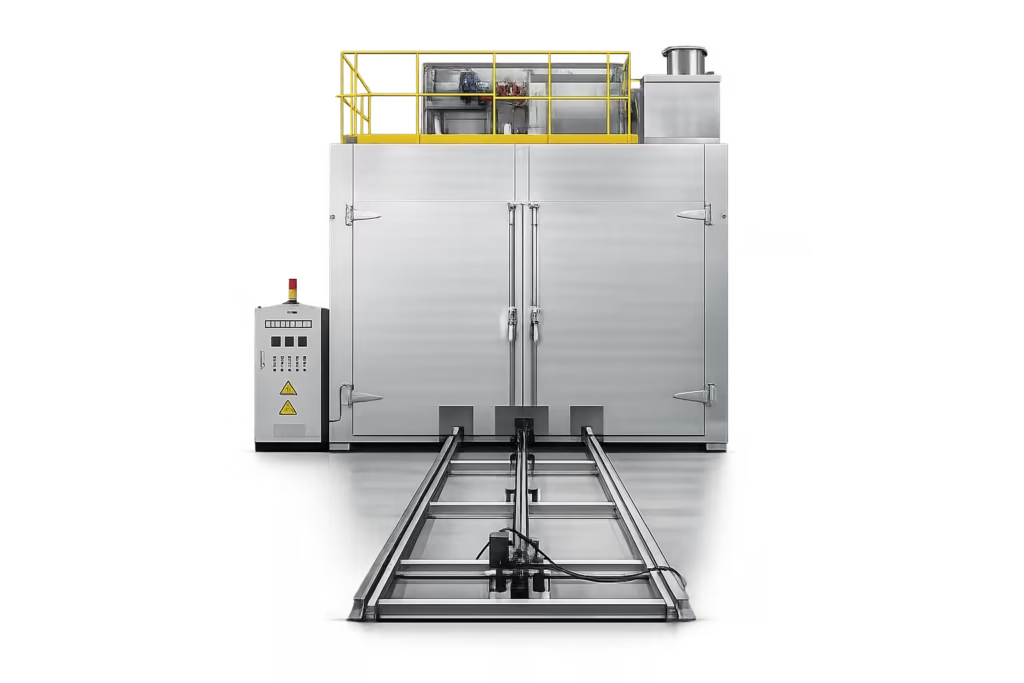
Truck-In Oven
For heavy-duty batch production and large-volume thermal processing, truck-in ovens support higher-capacity loading with stable heat delivery. They are suitable when producers need to move larger carts or high-throughput loads through curing or stabilization cycles.
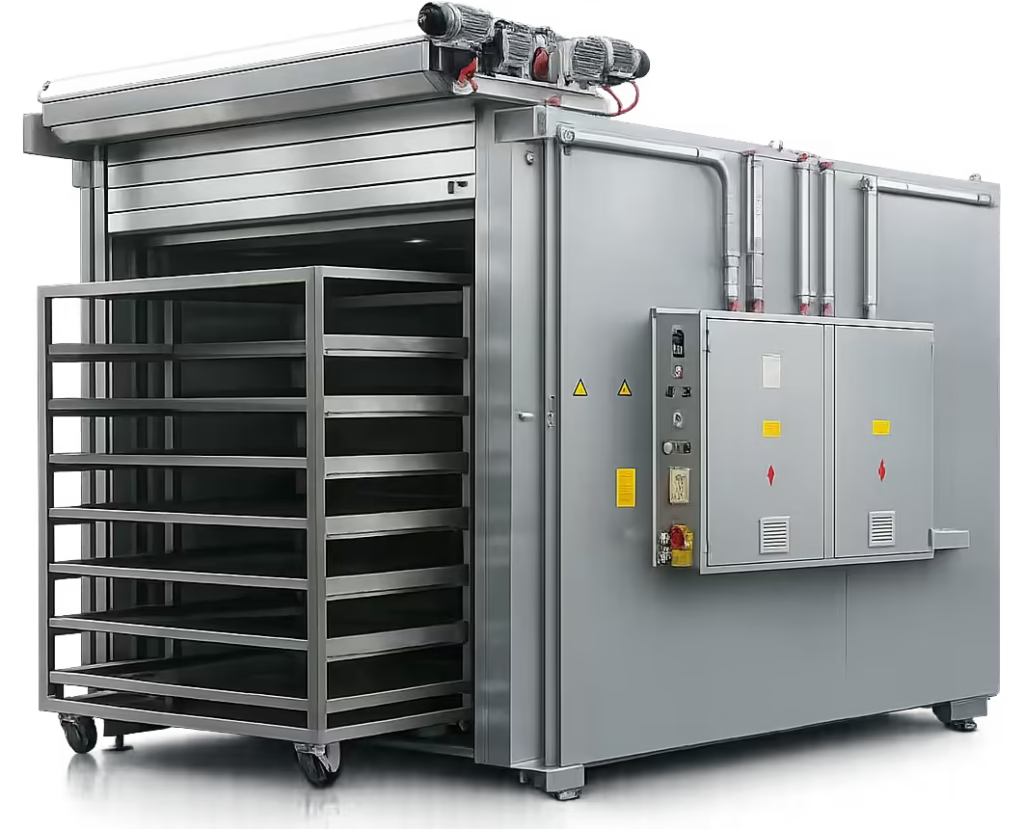
Constant Temp Drying Oven
Before pressing, bonding, or downstream curing, friction material production often requires moisture removal and controlled drying. Constant temperature drying ovens help reduce bubbles, cracking, and batch variation caused by unstable material condition.
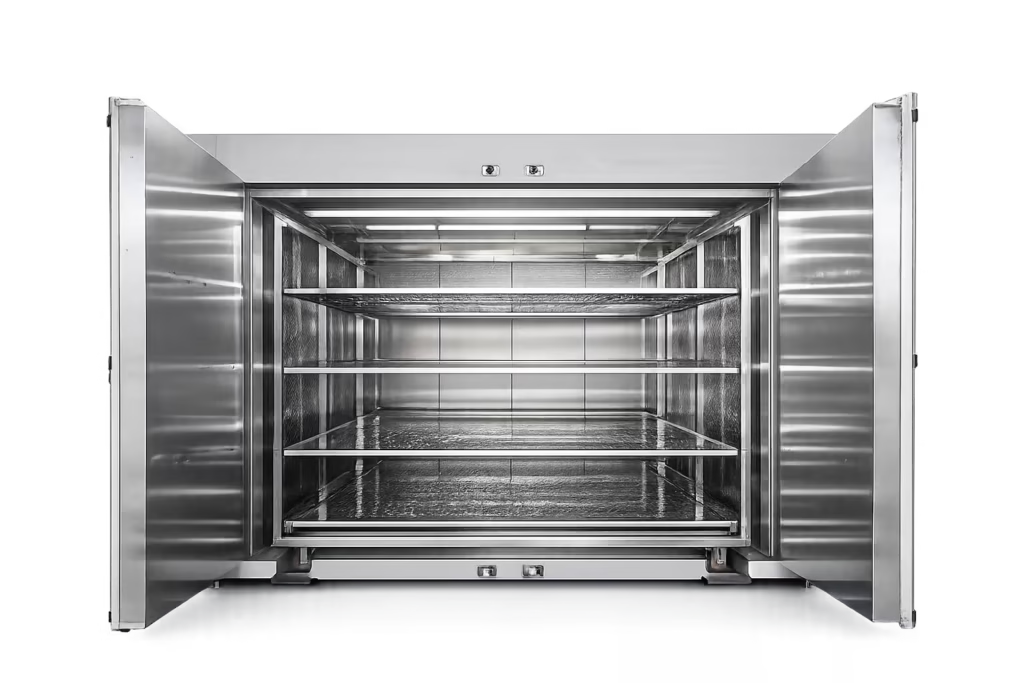
Preheating Oven
For raw materials, metal parts, back plates, or tooling that benefit from controlled heating before the next step, preheating ovens help improve forming consistency, support adhesive application, and stabilize upstream process conditions.
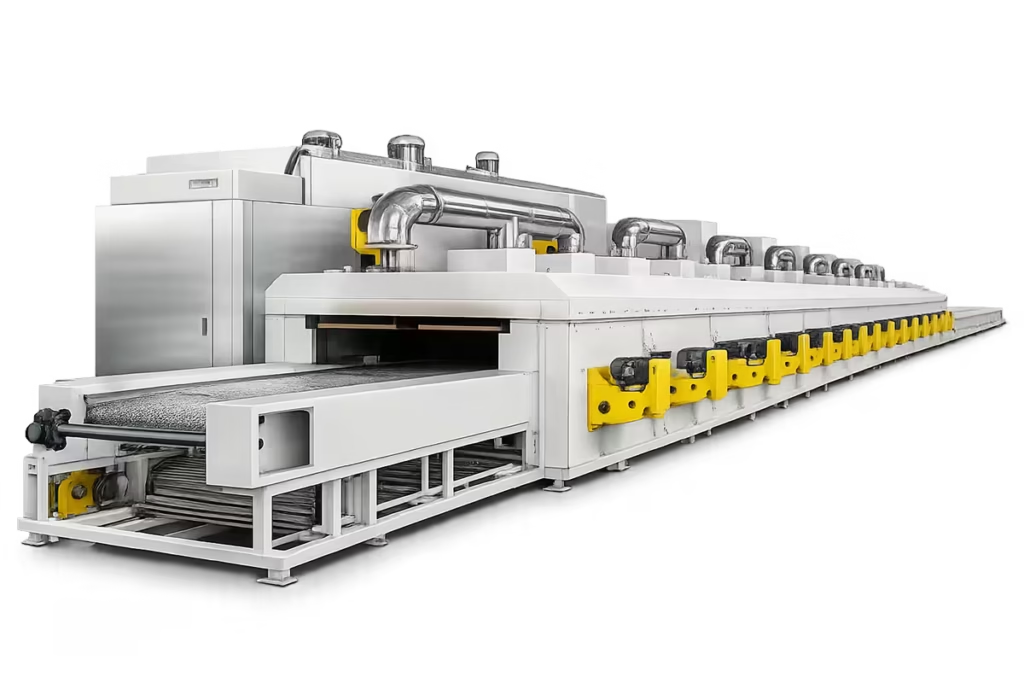
Industrial Conveyor Oven
When production rhythm, takt time, or staged thermal processing becomes important, conveyor ovens support continuous drying, preheating, or intermediate heating for friction material components and assemblies.
Resin Curing and Post-Curing for Brake Pads and Linings
Resin curing is one of the most critical thermal steps in friction material manufacturing. After pressing or molding, controlled heating is required to complete resin crosslinking, fix the internal structure of the material, and build the performance base for hardness, wear resistance, and thermal stability. Without a stable curing process, friction components can show structural inconsistency, unstable performance, or premature failure in service.
Post-curing is equally important for many brake pads, brake linings, and clutch facings. This step helps further release internal stress, improve high-temperature stability, and reduce performance drop during use. For manufacturers targeting more reliable friction behavior and lower batch variation, controlled post-curing is often a key process requirement rather than an optional finishing step.
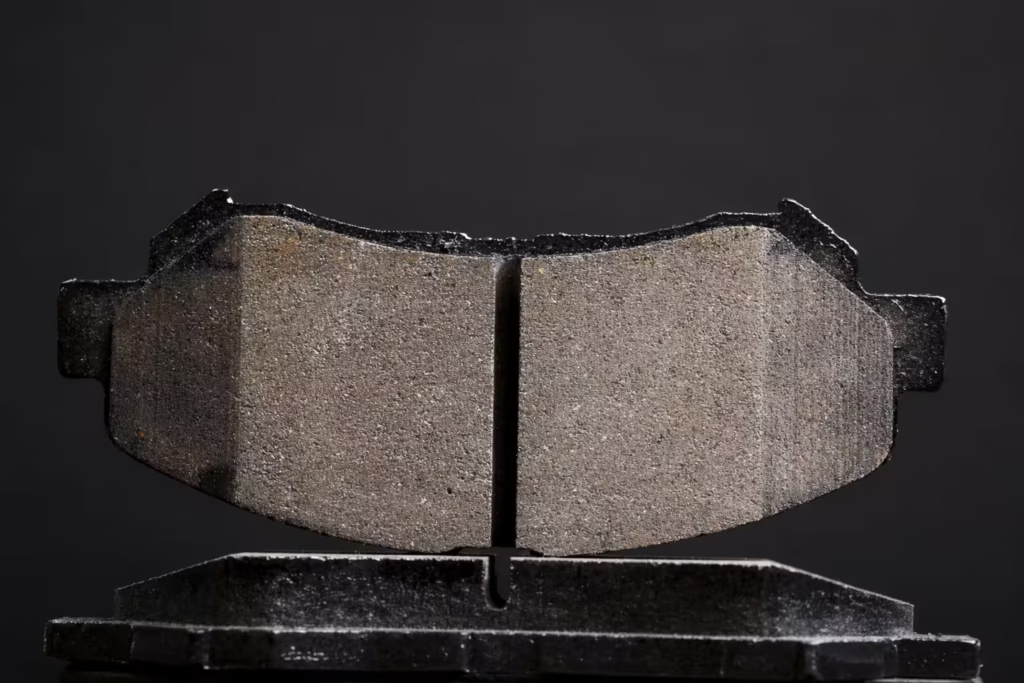
Typical applications:
Brake pad curing, brake lining post-curing, clutch facing stabilization, resin-based friction component bake cycles.
Typical processes:
Resin curing, post-curing, secondary cure, thermal stabilization.
Explore related solutions:
Drying and Preheating Before Forming or Bonding
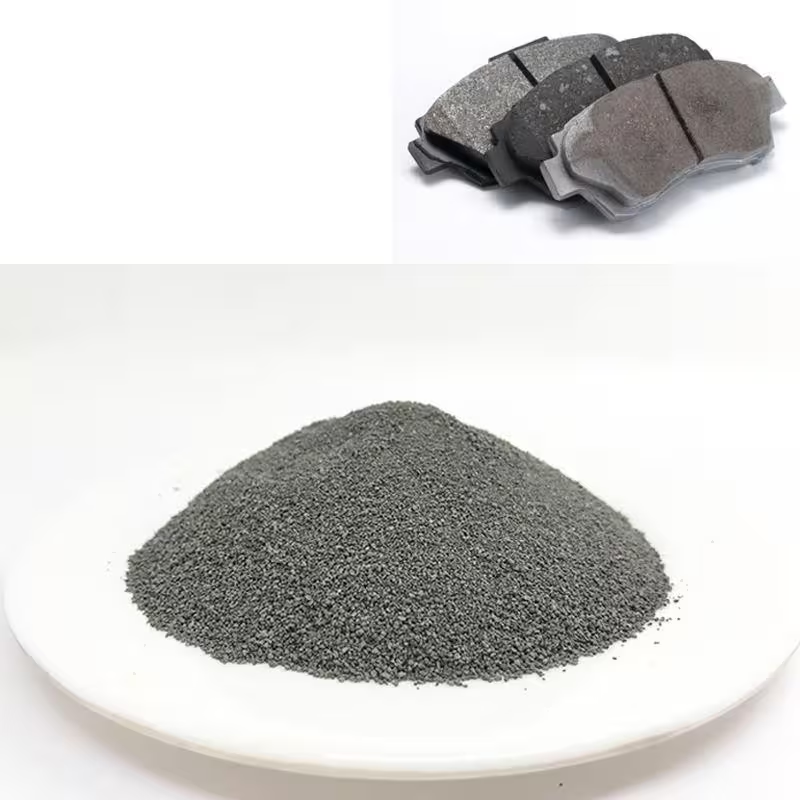
Drying is a necessary upstream step for many friction material processes. Controlled drying helps remove excess moisture from raw materials or intermediate parts, reducing the risk of bubbles, cracking, and dimensional inconsistency during pressing, curing, or bonding. Stable drying conditions also support better material uniformity before the main thermal cycle begins.
Preheating is commonly used to prepare materials, metal back plates, tooling, or assemblies for the next production step. By improving thermal condition before pressing or bonding, preheating can help reduce defects, improve forming stability, and support more consistent downstream results. In friction material production, this is especially useful when process consistency matters as much as final output volume.
Typical applications:
Raw material drying, intermediate part drying, back plate preheating, bonding support heating, forming preparation.
Typical processes:
Drying, moisture removal, preheating, pre-process heating.
Explore related solutions:
Thermal Stabilization and Batch Consistency in Production
Friction materials are highly sensitive to temperature behavior during thermal processing. Stable airflow, controlled ramp-and-soak cycles, and repeatable heat exposure all affect whether each batch performs consistently in real use. Manufacturers are not only looking for heat, but for controlled thermal conditions that help reduce over-curing, under-curing, and part-to-part variation.
This is where oven engineering becomes directly relevant to production quality. Temperature uniformity, airflow design, recipe control, and traceability can all help improve repeatability across trays, racks, or carts loaded with dense friction components. Depending on the binder system and process stage, exhaust and ventilation design may also be required to support cleaner and more stable processing conditions.
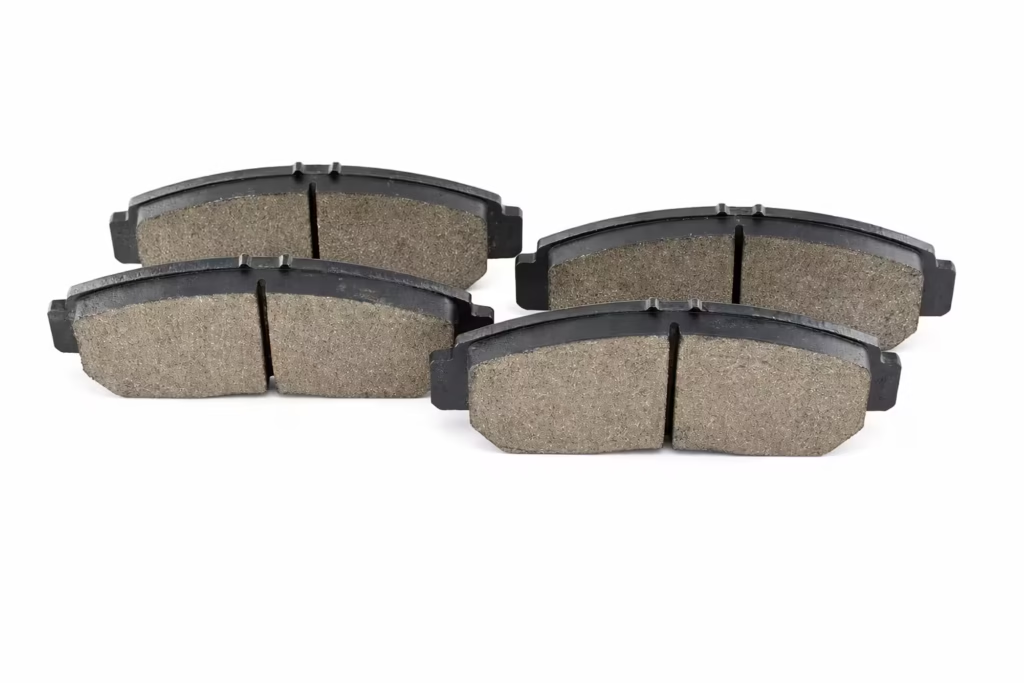
Typical applications:
Batch consistency improvement, thermal stabilization, controlled heating for dense loads, repeatable production support.
Typical processes:
Ramp-and-soak control, stabilized heat exposure, recipe-based thermal processing, controlled ventilation support.
Explore related solutions:
How to Match the Right Oven to Friction Material Production
Selecting the right oven depends on product form, load size, production volume, curing recipe, and whether the process is batch-based or continuous.
| Production need | Recommended oven |
|---|---|
| Resin curing for brake pads or clutch facings | Batch Curing Oven |
| Larger cart or multi-rack batch processing | Walk-In Oven |
| Heavy-duty, high-capacity batch production | Truck-In Oven |
| Moisture removal before pressing or curing | Constant Temp Drying Oven |
| Pre-process heating for better forming or bonding stability | Preheating Oven |
| Continuous drying or staged thermal processing | Industrial Conveyor Oven |
- Controlled curing and post-curing
- Stable heat across dense loads
- Drying and preheating support
- Batch or continuous layouts
- Recipe control and repeatability
- Exhaust and ventilation options
Need help matching the right oven to your friction material process? Talk with ZonHoo about product type, load method, temperature range, throughput, and plant layout for brake pads, linings, clutch facings, and related components.