

Industrial Ovens for Electronics & Electrical Manufacturing
Electronics and electrical manufacturing relies on controlled thermal processing to ensure material stability, insulation performance, moisture removal, and long-term process reliability. In this industry, industrial ovens are used not simply for heating, but for creating a stable thermal environment that protects sensitive components, supports controlled curing, reduces moisture-related defects, and improves consistency across production batches.
From PCB drying and pre-bake to varnish curing, resin curing, encapsulation, coil drying, and aging validation, an industrial oven for electronics must deliver precise temperature control, clean electric heating, and repeatable airflow performance. ZonHoo provides electronics manufacturing oven solutions for component drying, PCB drying, varnish curing, and electronic component aging processes, helping manufacturers match oven type, chamber size, airflow design, loading method, and control system to real production needs.
Electronics and electrical manufacturing processes depend heavily on controlled thermal environments to ensure product reliability, insulation performance, and long-term stability. Industrial ovens are used not only for drying and curing, but also for moisture removal, stress control, and aging validation across a wide range of components—from PCBs and electronic assemblies to motors and transformers.
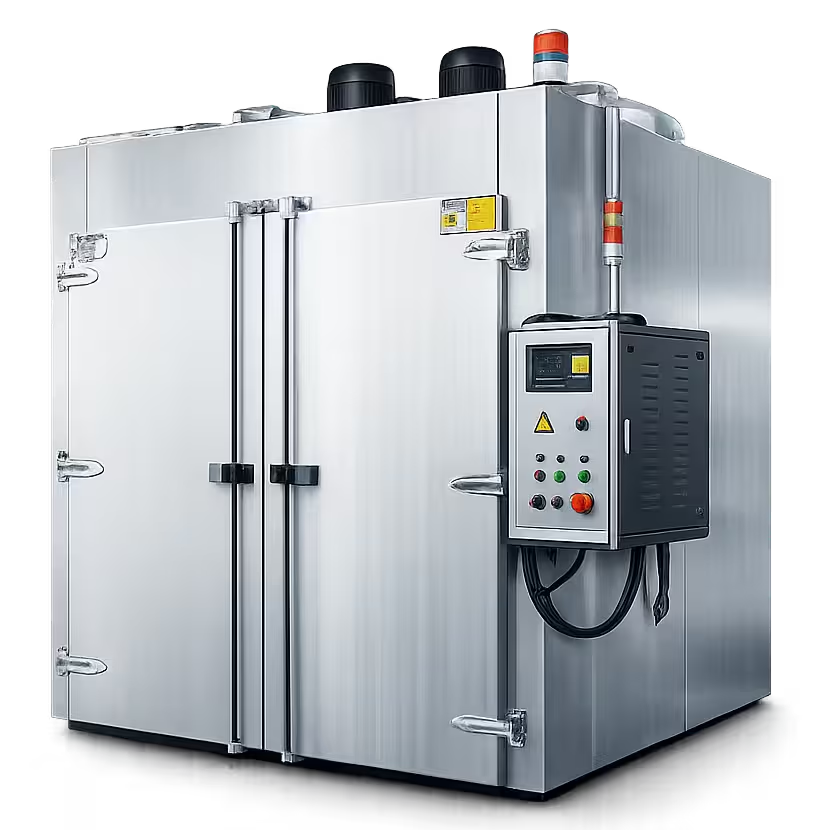
Industrial Electric Oven
Industrial electric ovens are the core solution for electronics and electrical production. They provide clean heating, precise control, and stable airflow for PCB drying, electrical component drying, varnish curing, resin curing, and electronic component aging. They are especially suitable where product sensitivity, consistency, and repeatability matter most.
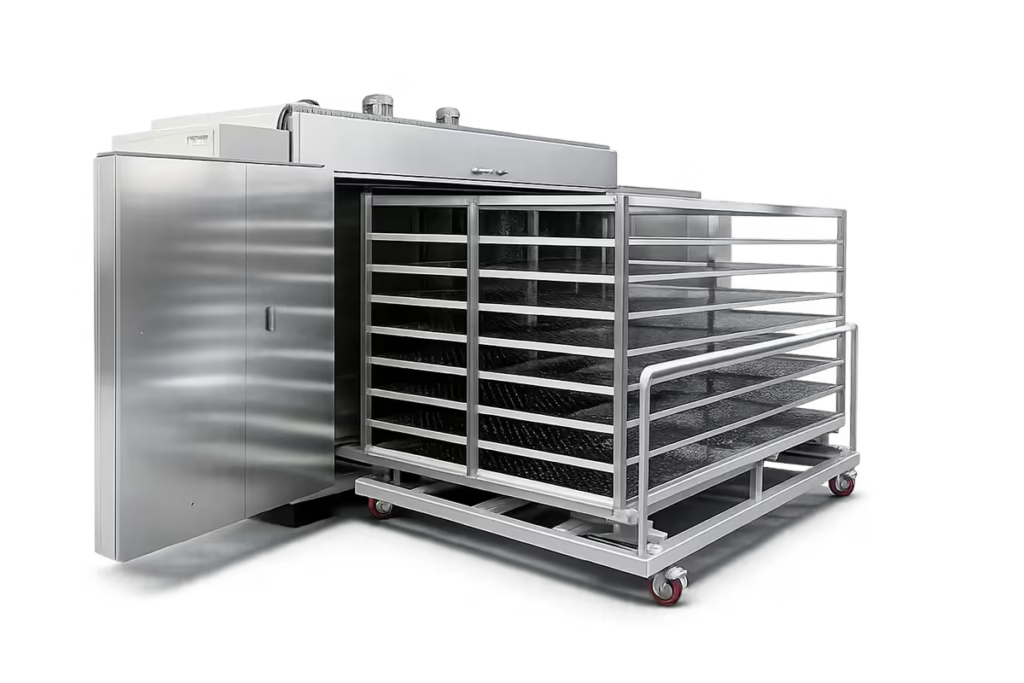
Batch Baking Oven
Batch baking ovens fit tray-loaded, rack-loaded, or mixed-batch production. They are widely used for pre-bake, dehumidification, adhesive curing, insulation bake cycles, and staged thermal processing of small-to-medium electrical parts and assemblies.
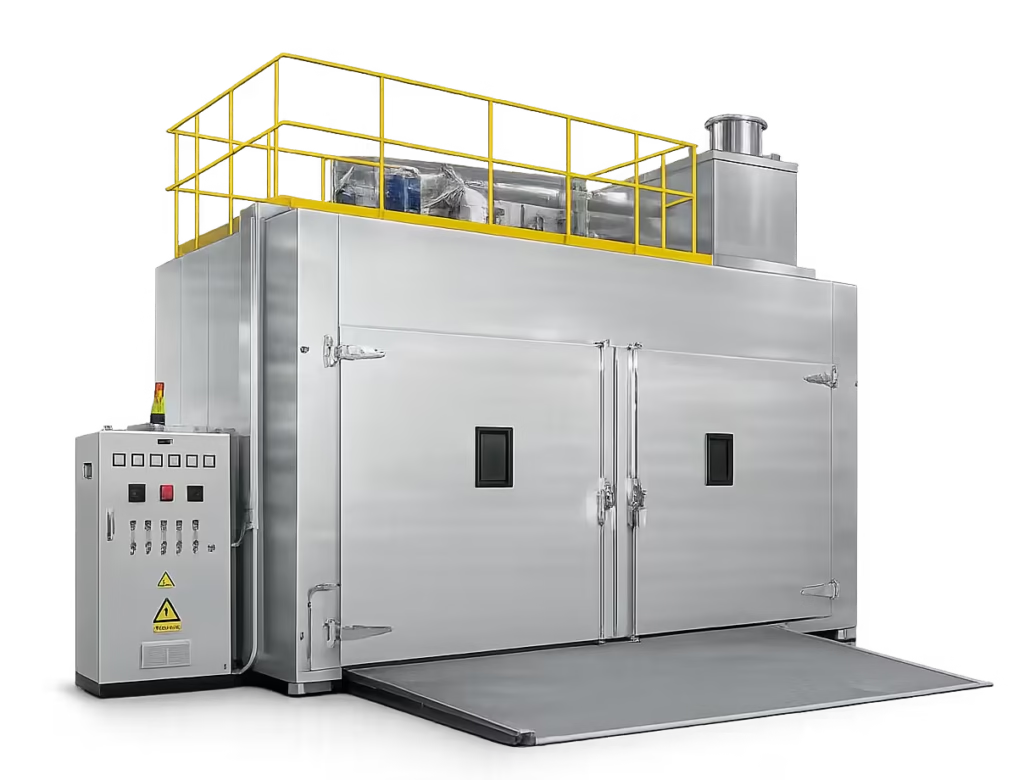
Walk-In Oven
Walk-in ovens are suitable when the product is physically larger, such as electrical cabinets, transformer-related assemblies, coil racks, or larger insulated subassemblies. They provide easier loading access and more chamber volume for batch processing without shifting the page focus away from precision-controlled heating.
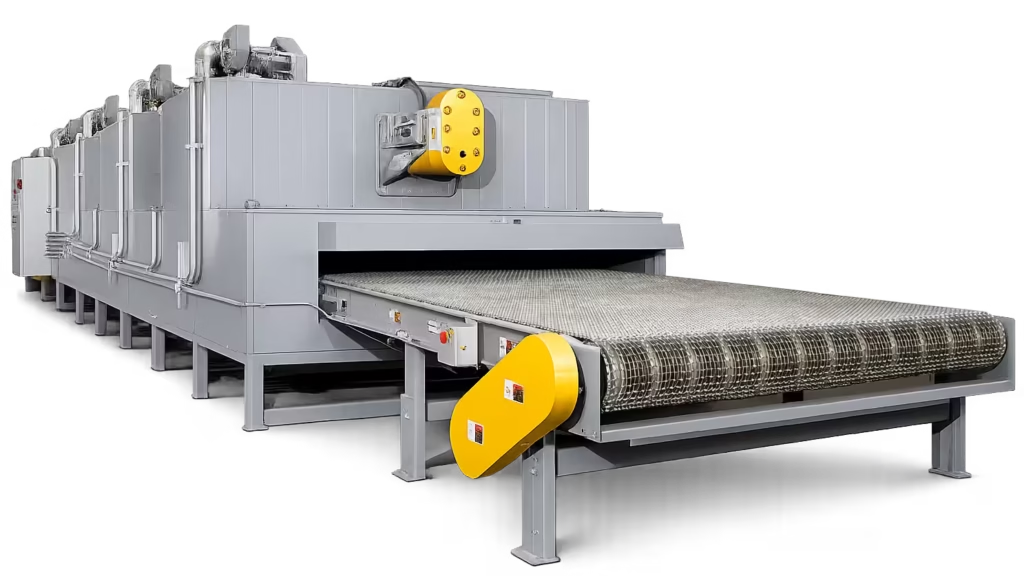
Industrial Conveyor Oven
For automated lines and higher-volume production, conveyor ovens support continuous processing with stable cycle control. They are often used for PCB drying, coating cure, adhesive curing, and inline thermal treatment of small electronic parts where takt time and repeatability are critical.
PCB Drying, Pre-Bake & Moisture Removal
Moisture is one of the most common hidden risks in electronics manufacturing. PCB substrates, components, and insulating materials can absorb moisture during storage, washing, or handling. If moisture is not removed before downstream heating or assembly, it may lead to defects such as popcorning, unstable insulation performance, or reduced process consistency.
Industrial ovens are used for PCB drying, pre-bake, and controlled dehumidification before soldering, coating, sealing, or assembly. The goal is not aggressive heating, but stable and repeatable moisture removal under controlled temperature conditions.
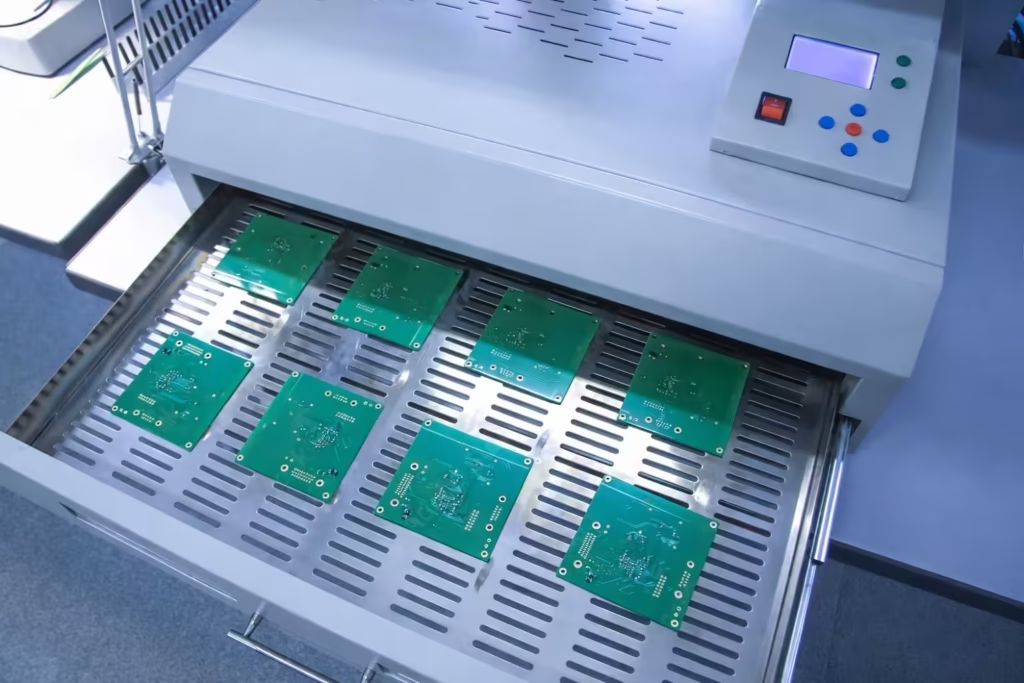
Typical processes: PCB drying, pre-bake, dehumidification, component drying
Explore related solutions:
Conformal Coating, Encapsulation & Adhesive Curing
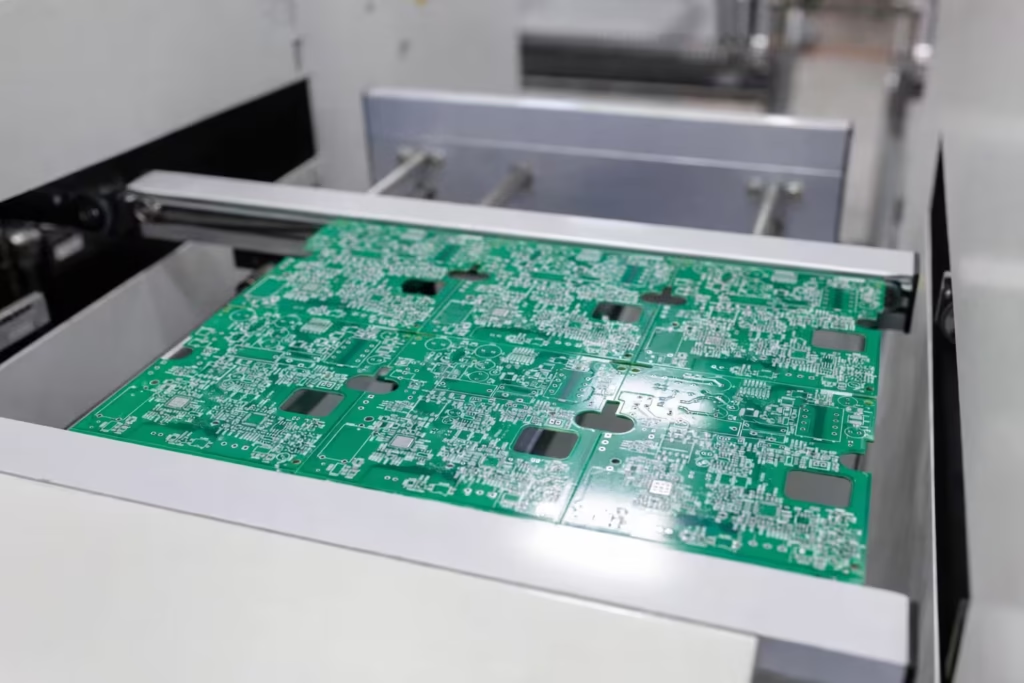
Electronics and electrical assemblies often depend on conformal coatings, potting compounds, encapsulation materials, and structural adhesives for protection, insulation, and mechanical stability. These materials require precise thermal curing to achieve proper adhesion, complete reaction, and reliable long-term performance.
Industrial ovens help control ramp and soak profiles, reduce bubbles or curing stress, and improve repeatability across batches. This is especially important in coating cure, resin cure, and adhesive bonding processes where small thermal deviations can affect final reliability.
Typical processes: conformal coating curing, potting cure, encapsulation cure, adhesive bonding
Explore related solutions:
Electrical Assemblies, Insulation & Aging Validation
Electrical manufacturing also includes winding drying, varnish curing, insulation baking, and thermal stabilization for motors, coils, and transformer-related parts. In addition, many electronics and electrical products require controlled aging or burn-in testing to verify long-term stability and process reliability.
Industrial ovens used in these processes must maintain stable temperature, good uniformity, and long-duration repeatability. They support varnish curing, insulation bake cycles, thermal stabilization, and electronic component aging where traceability and consistency are critical.
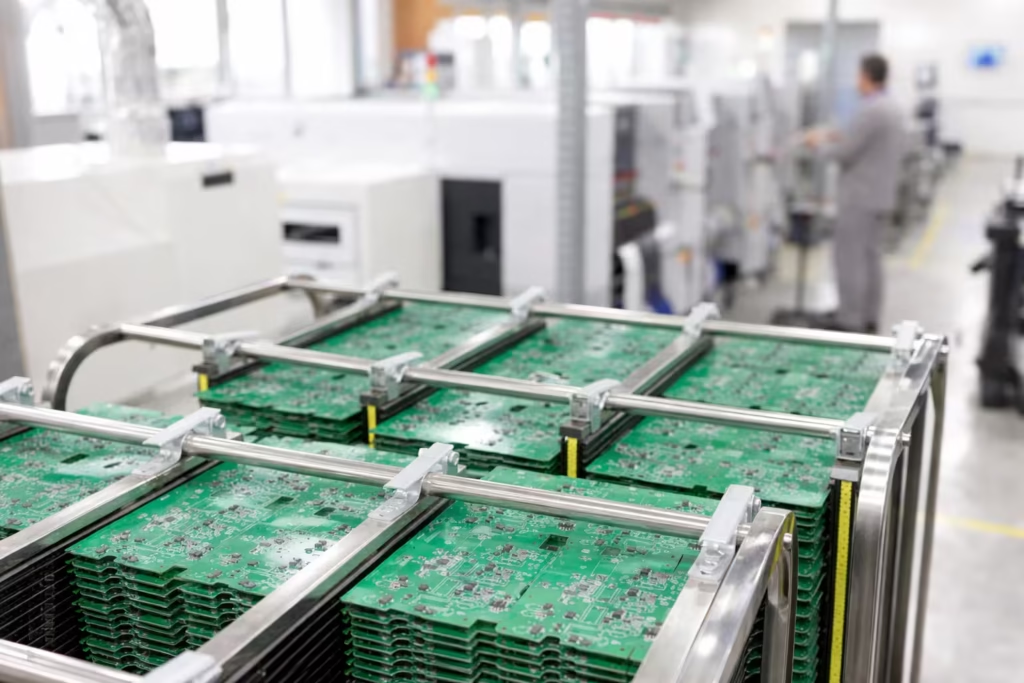
Typical processes: motor winding drying, varnish curing, insulation baking, burn-in, aging test
Explore related solutions:
Why Electronics & Electrical Manufacturing Depends on Controlled Thermal Processing
In electronics and electrical manufacturing, thermal processing is not just about applying heat. It is about creating a controlled environment where moisture can be removed safely, insulating materials can be stabilized, coatings and resins can cure correctly, and sensitive parts can pass reliability requirements with less process variation.
This is why industrial ovens are widely used for drying, pre-bake, curing, thermal stabilization, stress control, and aging validation. From PCB drying oven applications to varnish curing oven and electronic component aging oven processes, temperature uniformity, controlled ramping, and repeatable batch performance directly affect product quality.
For manufacturers handling PCBs, electrical assemblies, motors, transformers, or coated electronic components, the oven is part of process control—not just a heating chamber.
How to Match the Right Oven to Electronics & Electrical Production
The right oven should be selected according to process sensitivity, moisture risk, curing profile, load style, and throughput—not simply chamber size.
| Production need | Recommended oven |
|---|---|
| PCB drying, component pre-bake, and moisture removal | Industrial Electric Oven |
| Batch curing of coated or insulated electrical parts | Batch Baking Oven |
| Inline coating cure or continuous small-part processing | Industrial Conveyor Oven |
| Larger coils, cabinets, or transformer-related assemblies | Walk-In Oven |
| Controlled aging, burn-in, or repeatable validation cycles | Industrial Electric Oven |
| Controlled warming before coating, bonding, or selected assembly steps | Preheating Oven |
Related Solutions & Guides
- Precise low-to-mid temperature control
- Clean electric heating for sensitive parts
- Uniform airflow for repeatable processing
- Controlled ramp and soak profiles
- Traceability and data logging options
- Rack, tray, and fixture-based loading support
Need help matching the right oven to your automotive process, load style, or production layout?