

Independent heating zones · Controlled temperature profile · Continuous production
Multi-Zone Conveyor Oven for Controlled Heating Profiles
A multi-zone conveyor oven divides the heated path into two or more independently controlled thermal sections. Each zone can use its own temperature setpoint, airflow, heat input and exhaust strategy, allowing the product to move through preheat, ramp, soak, cure, drying or controlled cool-down stages in one continuous process.
- 2–6+ independently controlled zones
- Preheat, ramp, soak and cure profiles
- Electric, gas or hybrid heat arrangements
Custom-built continuous oven · PLC/HMI recipes available · FAT temperature profiling
Use Multiple Heating Zones When One Setpoint Cannot Control the Whole Process
A multi-zone conveyor oven is selected when the product needs a staged thermal profile, when heat or moisture loads change along the conveyor path, or when separate oven sections must be tuned independently. Similar search terms include multiple-zone conveyor oven, two-zone conveyor oven, three-zone conveyor oven, zoned conveyor oven and multi-stage conveyor oven. To compare the broader equipment family first, compare continuous oven configurations; for unusual zone arrangements or project-specific process profiles, review our custom-built continuous oven solutions.
Controlled Heat-Up
Use a lower-temperature preheat zone before the main process section to reduce thermal shock and improve product temperature rise.
Stable Soak or Cure
Hold the product in one or more controlled sections after heat-up so the required cure, dry or heat-treatment condition is maintained.
Changing Moisture Load
Separate drying zones allow airflow and exhaust to be adjusted as evaporation rates change from the wet entrance to the dry discharge end.
Process Flexibility
Independent setpoints and recipes make it easier to run different products, profiles or production rates on one conveyor oven.
Multi-Zone Is Not Multi-Level
Zones are independently controlled thermal sections. Levels are vertically stacked conveyor paths. One oven may use both, but they solve different problems. Use the single-zone vs multi-zone conveyor oven guide when the required control architecture is still unclear.
Multi-Zone Conveyor Oven Product & Engineering Views
Replace these areas with your real overall equipment, internal ducting, control-panel, zone-divider and production-line photographs. All image positions are responsive across the six Elementor breakpoints used on zhovens.com.
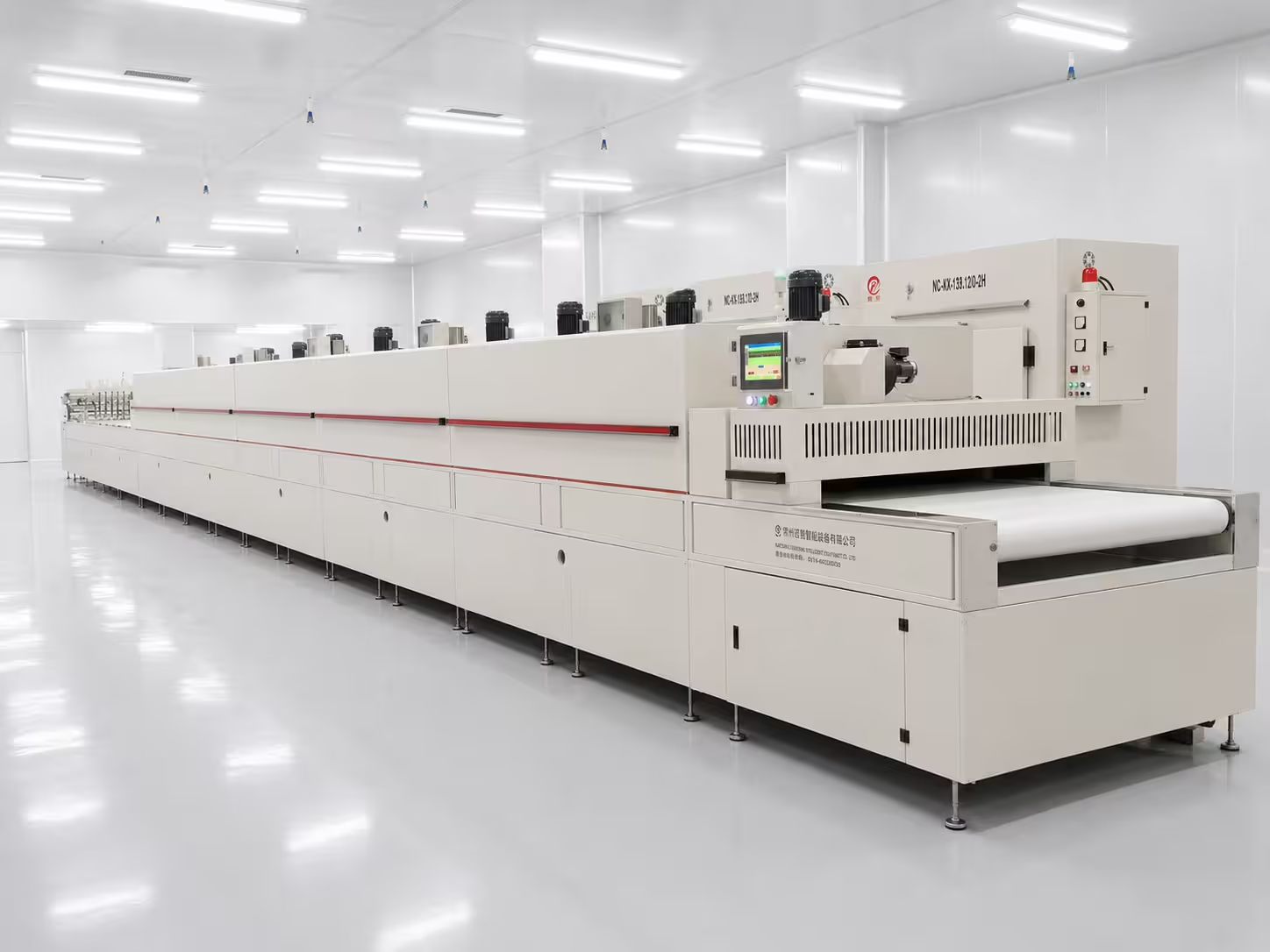 🟨 IMAGE 02 · Overall multi-zone conveyor oven
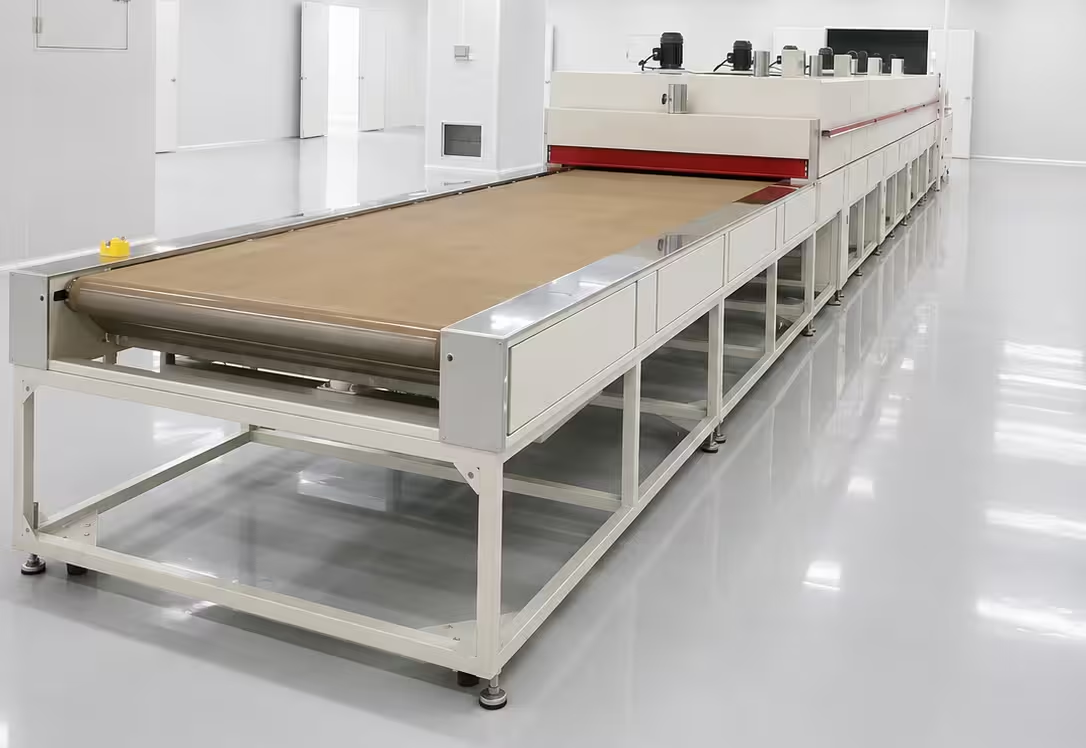 🟨 IMAGE 03 · Internal ducting or zone separation
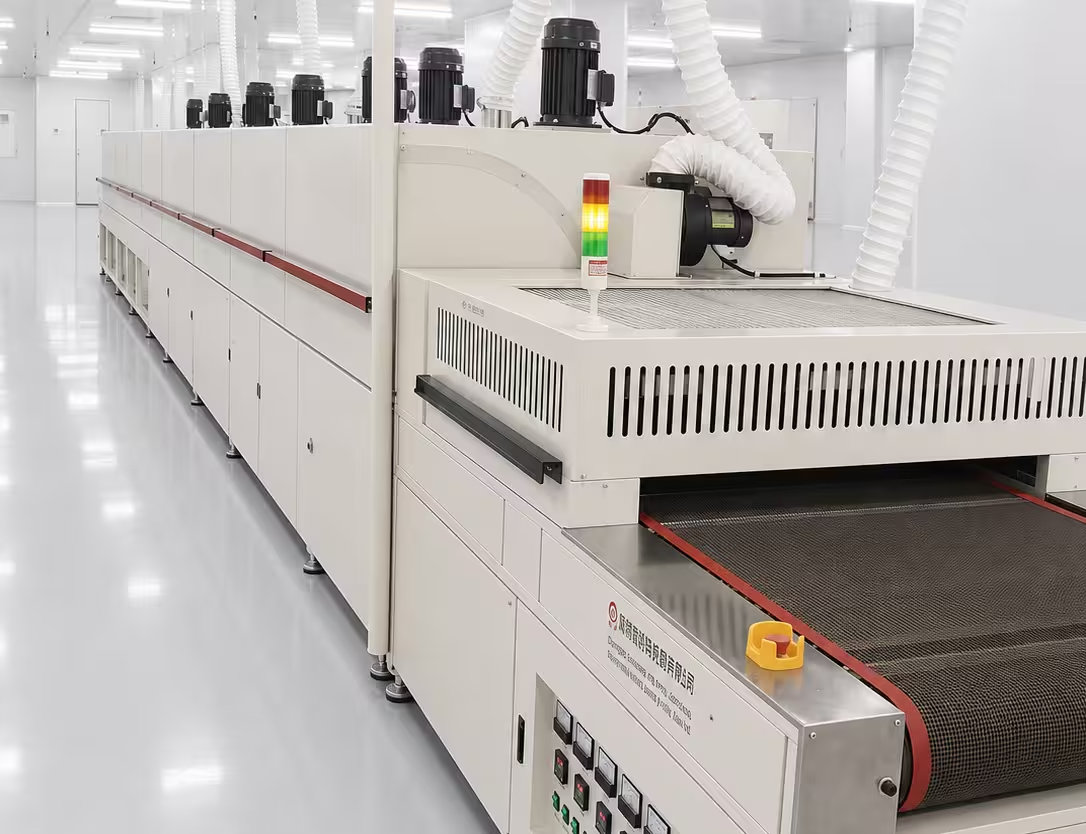 🟨 IMAGE 04 · PLC/HMI multi-zone controls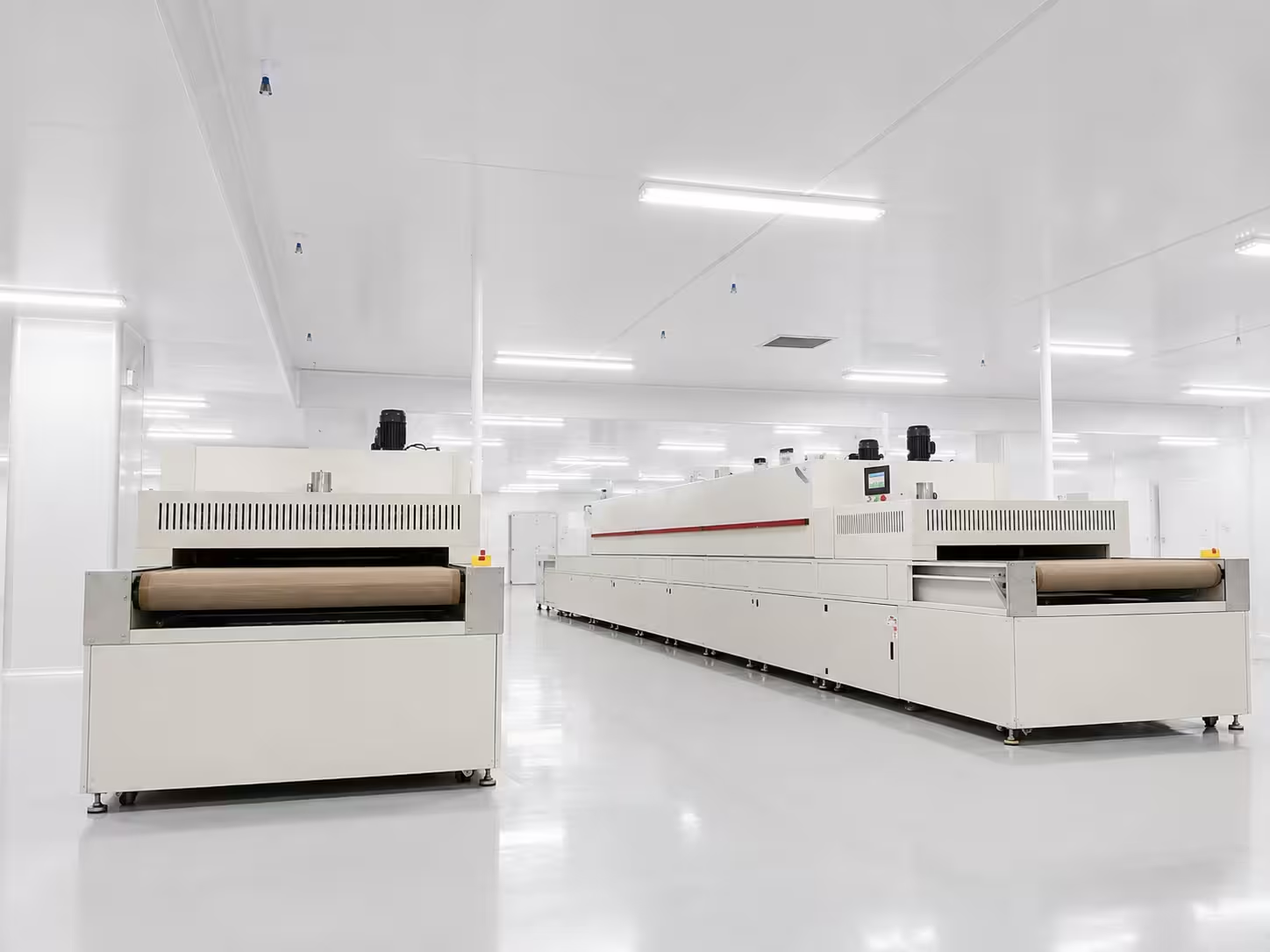
Zone Length, Setpoint and Conveyor Speed Must Be Designed Together
Independent temperature zones do not create the correct process automatically. Each section must provide enough time and heat transfer for the product to reach the intended condition before it enters the next stage. The conveyor oven dwell-time calculation connects conveyor speed with the residence time available in each zone.
Key design rule: an effective multi-zone oven controls the product profile, not merely several air-temperature displays.
Independent Zones Still Have to Operate as One Continuous Thermal System
Zone setpoints, airflow, exhaust, belt loading and line speed interact. The complete layout should be reviewed through plan conveyor oven capacity and layout before chamber lengths, fan capacities and utilities are fixed.
Supply and return ducts must keep temperature consistent across product rows; use the across-belt temperature uniformity guide when acceptance limits are critical.
Drying and coating processes may require different exhaust rates by section so vapor removal does not destabilize adjacent zones.
Setpoints, conveyor speed, alarms, permissives and line handshakes can be managed through PLC and line-integration controls.
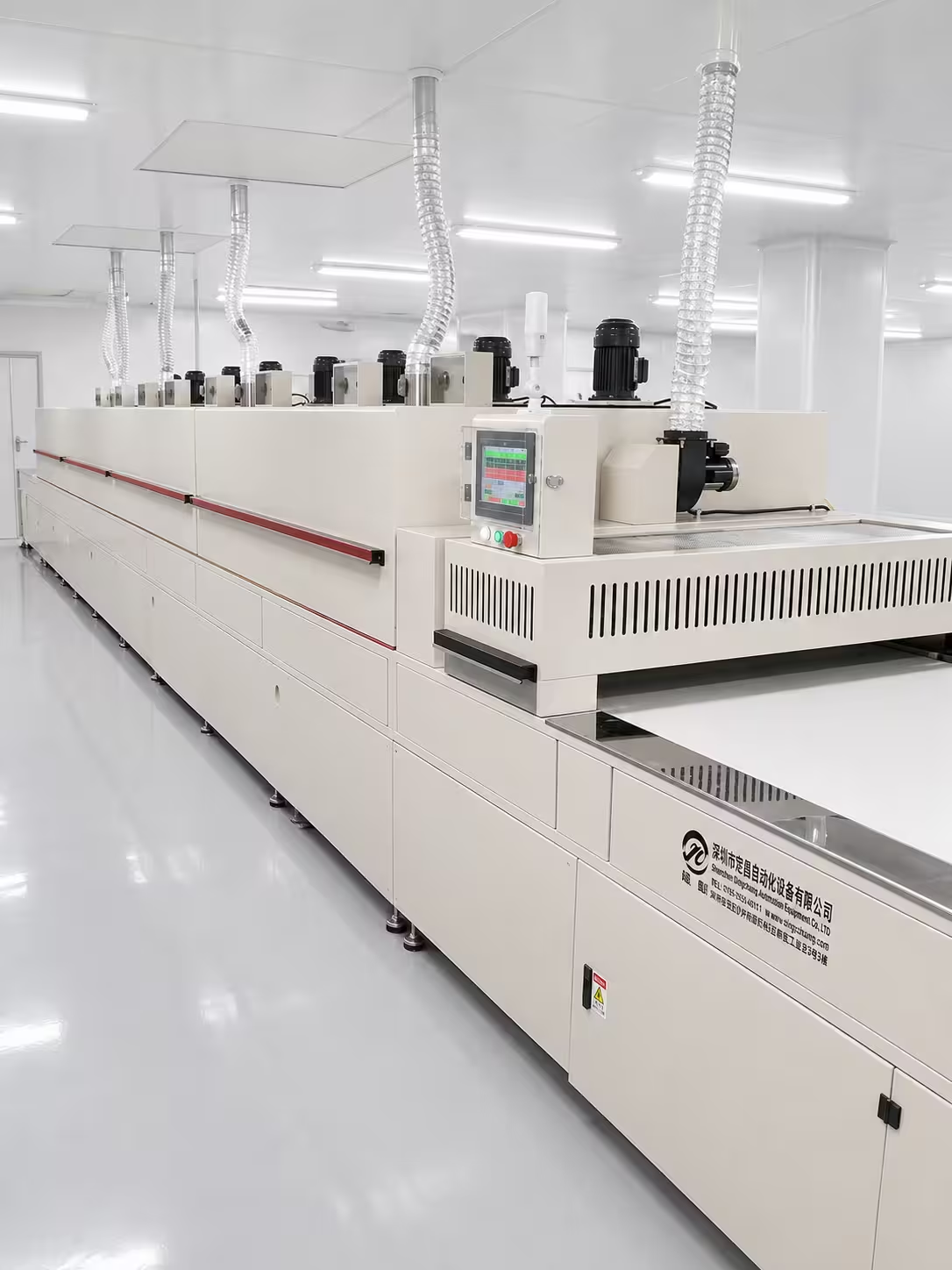 🟨 IMAGE 05 · Heater box, airflow duct or zone-detail photo
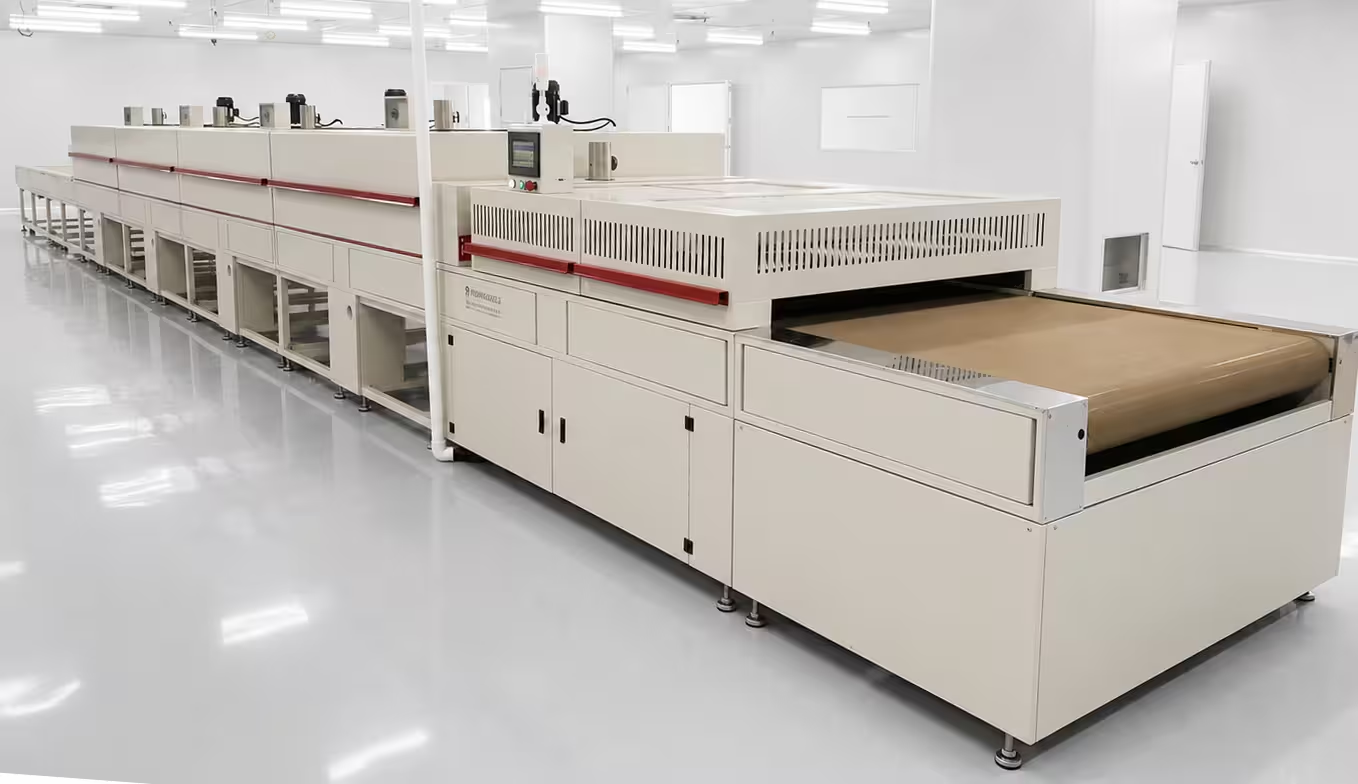 🟨 IMAGE 06 · Temperature test, recorder or FAT photo
Multi-Zone Conveyor Ovens for Staged Drying, Curing and Heat Processing
The architecture is most valuable when the product benefits from different thermal conditions as it moves through the line rather than one constant oven setpoint.
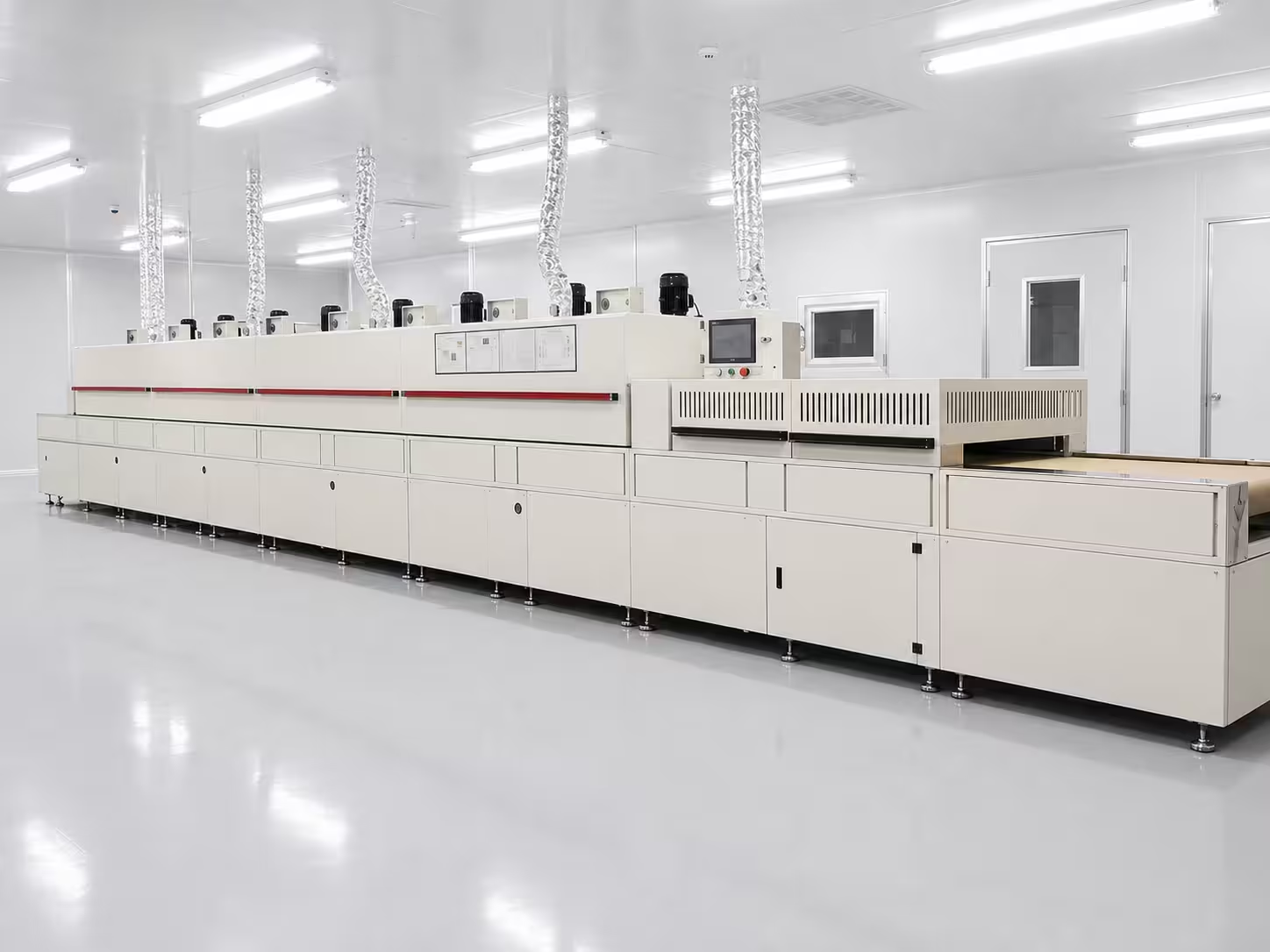 🟨 IMAGE 07 · Multi-zone oven application or production-line photo
Custom Multi-Zone Conveyor Oven Configuration
The correct number of zones comes from the product temperature profile, required residence time and changing process load—not from a standard catalog count. When the oven architecture is still open, start with the industrial conveyor oven selection guide.
Multi-Zone Conveyor Oven Questions Buyers Ask First
These questions establish whether independent thermal sections are necessary and how the zone layout should be specified.
What is a multi-zone conveyor oven?
It is a continuous oven divided into two or more thermal sections with independent temperature control. Zone airflow, heating capacity and exhaust may also be independently adjusted depending on the process.
When is a multi-zone oven better than a single-zone oven?
Use multiple zones when the product needs staged heat-up, different temperatures along the path, changing drying or vapor loads, a controlled soak stage, or greater flexibility for several process recipes.
How many temperature zones are normally required?
Many systems use two to four zones, but the correct count depends on the product profile, conveyor speed, heat load, evaporation rate and required time in each stage. More zones should only be added when they provide a defined process benefit.
Can every zone run at a different temperature?
Yes, where the heater and control architecture is designed for independent operation. Practical setpoint differences are also affected by heat migration, conveyor openings, product load and shared exhaust or recirculation arrangements.
Can a cooling section be part of the same conveyor line?
Yes. A forced-air or conditioned cooling section can follow the heated zones when product handling, packaging or downstream processing requires a controlled discharge temperature.
What information is needed for an RFQ?
Provide product dimensions and weight, loading pattern, target throughput, conveyor speed or cycle time, required product temperature profile, zone temperatures and dwell times, process vapors or moisture load, heating source, available footprint and upstream/downstream interface requirements.
Need Independent Zones for a Controlled Thermal Profile?
Send the product, line speed, target temperatures and time required in each stage. We will evaluate the appropriate zone count, section lengths, airflow and control architecture.