

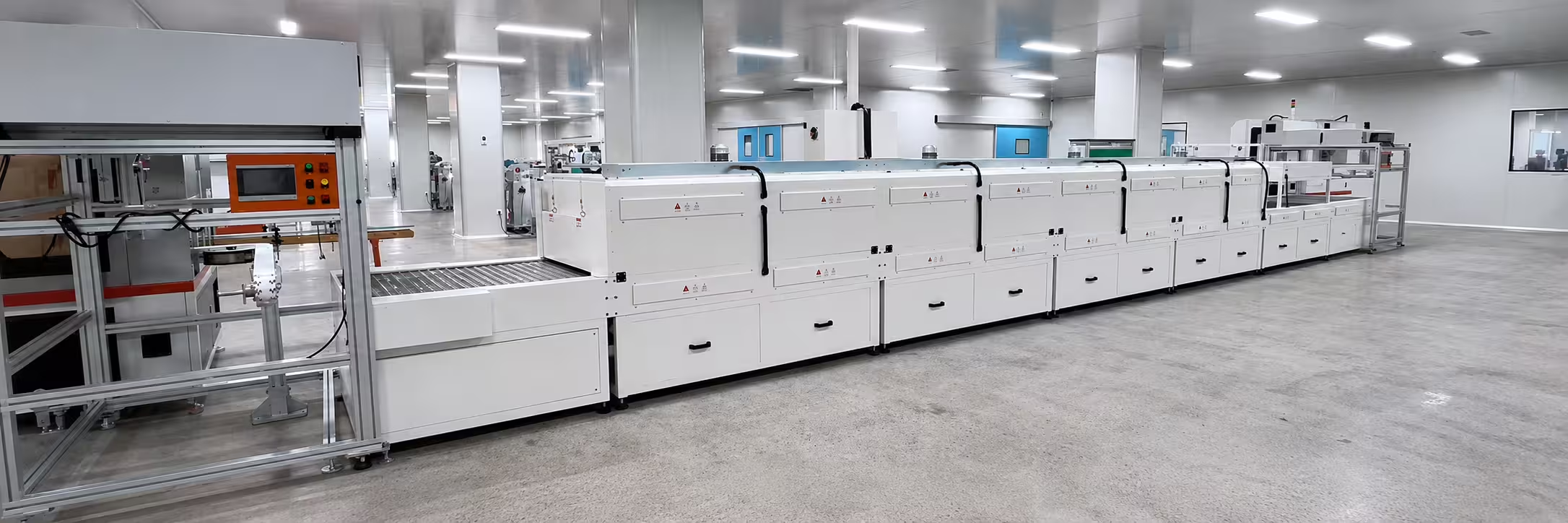
Conveyor Oven with Cooling Zone
Integrate heating, curing or drying with a controlled cooling section so products leave the conveyor at a defined temperature for handling, inspection, assembly or downstream automation.
- Heating and cooling on one conveyor
- Target discharge temperature
- Custom belt, zones and line speed
- PLC interlocks and process coordination
The Thermal Process Is Not Finished Until the Product Is Ready for the Next Step
A product can be fully cured or dried and still be too hot for operators, packaging, adhesive application, inspection fixtures or downstream automation. Integrating cooling keeps the product on the same conveyor and turns discharge temperature into a controlled production requirement.
This configuration is especially useful when the next operation begins immediately after heating or when manual waiting / floor cooling would create a bottleneck.
One Conveyor, Five Thermal Stages
The exact number of heating zones and cooling sections is project-specific, but the equipment follows a clear thermal sequence from hot processing to controlled discharge.
Load / Transfer
Product enters on belt, mesh, chain, roller or custom fixture according to the handling requirement.
Heat-Up
Initial heating raises the actual product toward the required process temperature.
Process / Hold
Additional zones provide the time-temperature history required for curing, drying or heating.
Cooling
Controlled airflow removes stored product heat while the conveyor continues at production speed.
Discharge
Product exits at the validated temperature required for handling or downstream processing.
When the heating section itself requires independently controlled temperature stages, compare a multi-zone conveyor oven architecture before finalizing the heating / cooling layout.
Start with the Required Product Discharge Temperature
Cooling-section length should not be selected by appearance or by copying the oven length. The design begins with product temperature entering cooling, maximum acceptable discharge temperature, product mass flow and validated cooling time.
For the detailed engineering method, use the conveyor oven cooling-section guide.
Cooling Load and Cooling Path Are Different Calculations
Product heat load is related to product mass flow, specific heat and the required temperature drop. The required cooling-path length then depends on conveyor speed and the cooling time that has been validated for the actual product.
Keep Hot Oven Air from Overloading the Cooling Section
The transition between heating and cooling is not empty space. Opening size, product clearance, pressure balance, exhaust position and internal separation can materially affect cooling performance.
Select the Cooling Method Around the Product and Exit Requirement
There is no single correct cooling method for every conveyor oven. The cooling air condition should match the product, required discharge temperature, cleanliness requirement and factory environment.
Ambient Forced-Air Cooling
Fans move factory air across the product. Suitable where the required discharge temperature is above ambient and the process tolerates normal plant air.
Filtered Forced-Air Cooling
Filtered air helps reduce contamination where surface cleanliness matters after curing, coating or precision processing.
Conditioned / Chilled Air
Used when ambient air cannot reliably achieve the required exit temperature. Dew point, condensation and utility load must be reviewed.
Configure Heating and Cooling as One Production Requirement
ZonHoo builds this equipment around the product, process and line layout. The values below are project inputs rather than a fixed catalog specification.
When the overall machine size is still unknown, use the conveyor oven sizing guide. When deciding how many heating stages are needed, review single-zone vs multi-zone conveyor oven design.
Use Integrated Cooling When the Next Process Cannot Wait
Cooling-zone conveyor ovens are most valuable where throughput depends on moving directly from a hot thermal process to handling, inspection, assembly or packaging.
Cool Before Handling
Reduce product temperature after coating cure before operators or inspection fixtures touch the part.
Stabilize After Cure
Bring cured assemblies to a predictable temperature before downstream assembly or testing.
Cool Before Packaging
Prevent hot dried products from entering packing or stacking before they are ready.
Control Handoff Temperature
Integrate the hot and cold sections when the next automated station has a defined temperature limit.
Heating Fans, Cooling Fans and Conveyor Speed Should Operate as One Line
The control system coordinates the full thermal sequence so heating cannot run without required airflow, cooling fans are available when product enters the section, and conveyor speed remains consistent with both process dwell requirements.
Fan Proving
Heating and cooling operation can be interlocked with required fan status and airflow conditions.
VFD Airflow / Speed
Adjust conveyor speed and selected fan output for different products or recipes where the project requires it.
Temperature Monitoring
Monitor heating zones and selected product / air temperatures at the cooling or discharge section.
Line Handshake
Exchange run, ready, stop, alarm and fault signals with upstream or downstream production equipment.
See ZonHoo industrial oven control systems.
Choose the Product Page, Engineering Guide or Complete Line That Matches the Project Stage
Define the Required Exit Temperature Before We Size the Cooling Section
A useful quotation needs both the heating process and the cooling target. These inputs let ZonHoo build the two sections around the same conveyor and production rate.
Size Heating and Cooling Together
Send your product, heating profile, throughput, cooling inlet temperature, required discharge temperature and available factory layout. ZonHoo will develop a preliminary heating / cooling conveyor configuration for review.
Submit Project Data →Conveyor Oven with Cooling Zone FAQ
Why integrate a cooling zone with a conveyor oven?
Integrated cooling lets the product remain on the same conveyor after heating and reach a defined downstream handling temperature without a separate manual transfer or cooling queue.
How is the required cooling-section length determined?
The cooling path depends on conveyor speed and the validated time required to cool the actual product from its cooling-inlet temperature to the required discharge temperature. Product mass, geometry, airflow and ambient conditions also matter.
Can the cooling zone use normal factory air?
Yes, when ambient forced-air cooling can achieve the required exit temperature and the product tolerates normal plant air. Filtered or conditioned air can be used when cleanliness or lower discharge temperature is required.
Can the heating section have multiple temperature zones?
Yes. The heating section can use multiple independently controlled zones for heat-up, curing, drying or hold before the product enters cooling.
Will cooling airflow disturb the oven temperature?
It can if the transition is poorly designed. Thermal separation, opening geometry, fan pressure and exhaust position should limit hot-air carryover and prevent cooling air from destabilizing the heating section.
Can chilled air be used for faster cooling?
Yes, where the process requires it, but chilled or conditioned air should be reviewed for condensation, dew point, contamination risk and the additional utility load.
What conveyor types can be used?
Mesh belt, chain, roller, fixture and other continuous handling systems can be engineered according to product geometry, weight, temperature and downstream transfer requirements.
What information is required for a quotation?
Provide product size and weight, throughput, heating process temperature and dwell, expected temperature entering cooling, required discharge temperature, conveyor preference, utilities and available factory space.
Define the Product Temperature at Both Ends of the Thermal Process
Share your heating profile, line speed, product heat load and required discharge temperature. ZonHoo will configure the heating zones, transition, cooling section, conveyor and controls as one continuous system.