

2026/04/22
Is Solvent Processing Safe in Industrial Ovens? Explosion Protection, LEL Control & Indirect Thermal-Oil Heating
- When does solvent processing become a safety issue?
- What information must be confirmed before oven design?
- How do we enable explosion protection in an oven?
- Why ZonHoo uses indirect thermal-oil heating for selected hazardous processes
- How purge logic and LEL monitoring work
- Which oven types are normally considered?
- Related project note: Canada chemical hot box
- Frequently asked questions
- Solvent-related processing is not automatically unsafe, but it should never be treated as a standard heating application.
- The first step is a process safety review: solvent type, vapor release, loading amount, operating temperature, airflow, and local code requirements.
- Typical protection measures include ventilation, exhaust interlocks, purge logic, LEL monitoring, rated wiring, explosion-proof components, and temperature safeguards.
- For selected hazardous-material projects, ZonHoo can evaluate an Explosion-Proof Thermal Oil Oven with indirect thermal-oil heating and heat-source separation to reduce direct ignition-source exposure near the process chamber.
Solvent processing can be safe only when the oven is engineered around the process risk first. If the material releases flammable vapor during heating, a normal batch oven layout is not enough. The design must control vapor concentration, ignition sources, airflow failure, over-temperature conditions, electrical rating, and operator access.
For this reason, ZonHoo does not treat solvent-containing materials as a simple heating question. Before recommending an industrial curing oven, truck-in oven, walk-in oven, or heated chemical storage cabinet, we first review the material, temperature, loading, ventilation, and site safety expectations.
Important safety boundary: This article is a practical engineering guide, not a final compliance determination. Solvent-related oven projects should be reviewed by the buyer’s safety team, local authority, and qualified hazardous-area engineer where required.
1. When Does Solvent Processing Become a Safety Issue?
Solvents, coatings, adhesives, resins, cleaning agents, energetic materials, and chemical mixtures may release flammable or hazardous vapor when heated. The risk is not decided by the word “solvent” alone. It depends on how much vapor is released, how fast it is released, whether the vapor can accumulate, and whether an ignition source can exist in or near the process area.
- Low flash point materials or volatile solvents
- High loading amount per batch
- Rapid heating or uncontrolled evaporation
- Insufficient exhaust or make-up air
- Electrical components not matched to the hazard classification
- Hot surfaces, heater exposure, airflow failure, or poor interlock logic
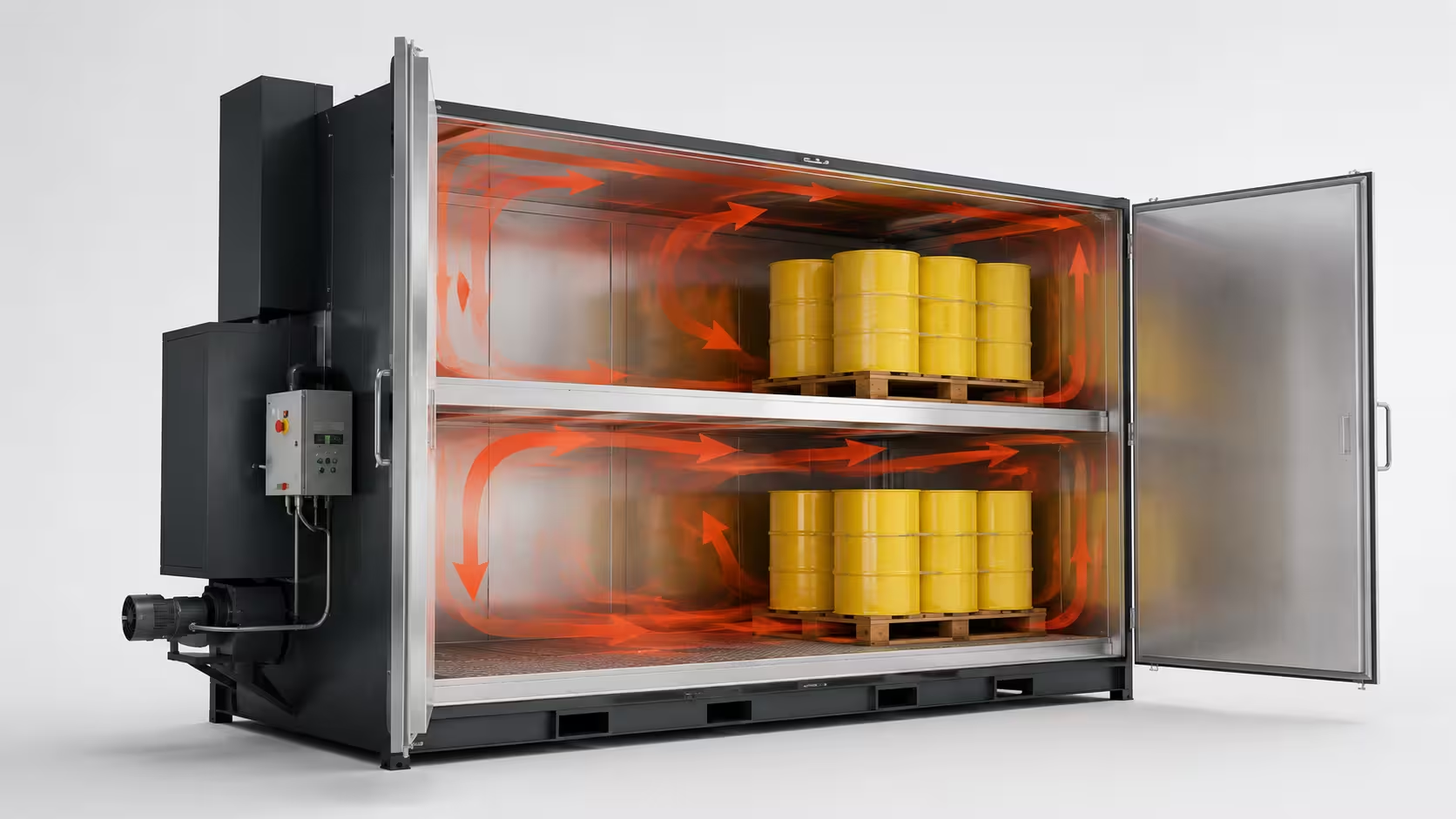
A safe design starts by asking a basic question: under the worst credible operating condition, can the oven chamber, ductwork, or surrounding equipment allow flammable vapor to reach a dangerous concentration? If the answer is possible or unknown, the project requires a dedicated safety review before the oven structure is finalized.
2. What Information Must Be Confirmed Before Oven Design?
Solvent-related oven design should not begin with chamber size only. The customer’s process data determines the ventilation rate, purge time, exhaust path, electrical rating, heating method, sensor logic, and whether a third-party review is required.
| Required Information | Why It Matters |
|---|---|
| Material name, SDS/MSDS, solvent type, and flash point | Defines vapor hazard, ignition risk, and whether standard heating is not acceptable. |
| Maximum loading per batch and solvent content | Determines possible vapor release and required exhaust capacity. |
| Working temperature, maximum temperature, and heating curve | Controls evaporation rate, hot-surface limits, and over-temperature protection logic. |
| Required airflow, exhaust path, and room ventilation | Prevents vapor accumulation in the chamber, ductwork, and installation area. |
| Local code, hazardous area classification, and buyer safety standard | Determines whether XP, ATEX, IECEx, NFPA-related, or other local packages are needed. |
| Operator access, loading method, and batch handling | Affects door interlocks, trolley grounding, leakage containment, and safe operation procedures. |
For early-stage projects, ZonHoo usually asks the customer to provide the SDS/MSDS, operating temperature, batch load, solvent quantity, site voltage, installation location, and required local safety standard before making a final configuration proposal.
3. How Do We Enable Explosion Protection in an Oven?
Explosion protection is not a single component. A safe oven package is a combination of mechanical design, airflow design, electrical rating, control logic, and operating discipline. Depending on the process, ZonHoo may combine the following measures.
Forced exhaust, make-up air, airflow confirmation, and exhaust interlocks help reduce vapor accumulation during heating.
The oven can perform a purge cycle before heaters are energized, helping replace chamber air before temperature ramp-up.
If circulation fans or exhaust fans fail, heaters are disabled to prevent unsafe hot spots or vapor accumulation.
LEL sensors can monitor flammable vapor concentration and trigger alarm, ventilation response, or shutdown logic.
Motors, wiring, junction boxes, sensors, and control components can be selected according to the required protection package.
Independent over-temperature protection, heater cut-off, thermal insulation, and hot-surface review reduce abnormal heating risk.
For projects involving hazardous goods, flammable vapor, or defense-sensitive materials, the heating method itself also becomes important. In these situations, ZonHoo may recommend a more conservative indirect heating structure instead of placing the main heat source near the material-processing space.
4. ZonHoo’s Indirect Heat-Transfer-Oil Design for Hazardous Material Processing
For selected hazardous-material and solvent-related applications, ZonHoo can provide an indirect heat-transfer-oil heating design instead of a conventional direct electric heating structure. In this design, the main heat source is separated from the process chamber, and heat is transferred through a controlled thermal oil circulation system.
The engineering purpose is clear: reduce direct ignition-source exposure inside or near the hazardous processing area. The chamber receives heat indirectly through the thermal-oil heat exchange system, while the main heating source can be arranged in a safer and more controllable location according to the project layout.
For applications that require heat-source separation, no exposed heating elements inside the process chamber, and controlled thermal-oil heat transfer, ZonHoo can evaluate an Explosion-Proof Thermal Oil Oven based on the material properties, vapor release, loading method, ventilation needs, and site safety requirements.
→
→
→
→
Why this design matters
Compared with a standard electric-heated oven, the indirect thermal-oil design is valuable when the customer needs more conservative heat-source separation, stable heat transfer, and a clearer boundary between the heating source and the material-processing space. This configuration is often considered for hazardous goods, energetic materials, solvent-containing products, chemical processing, and defense-sensitive applications where safety margin is more important than a low-cost standard layout.
- Indirect thermal-oil heating loop
- Heat source separated from the chamber area
- Hot air circulation through a heat exchanger
- Exhaust and purge logic before heating
- Fan, heater, door, pressure, and over-temperature interlocks
- Optional LEL monitoring and alarm/shutdown logic
- Rated wiring, explosion-proof motors, and XP/ATEX-related packages where required
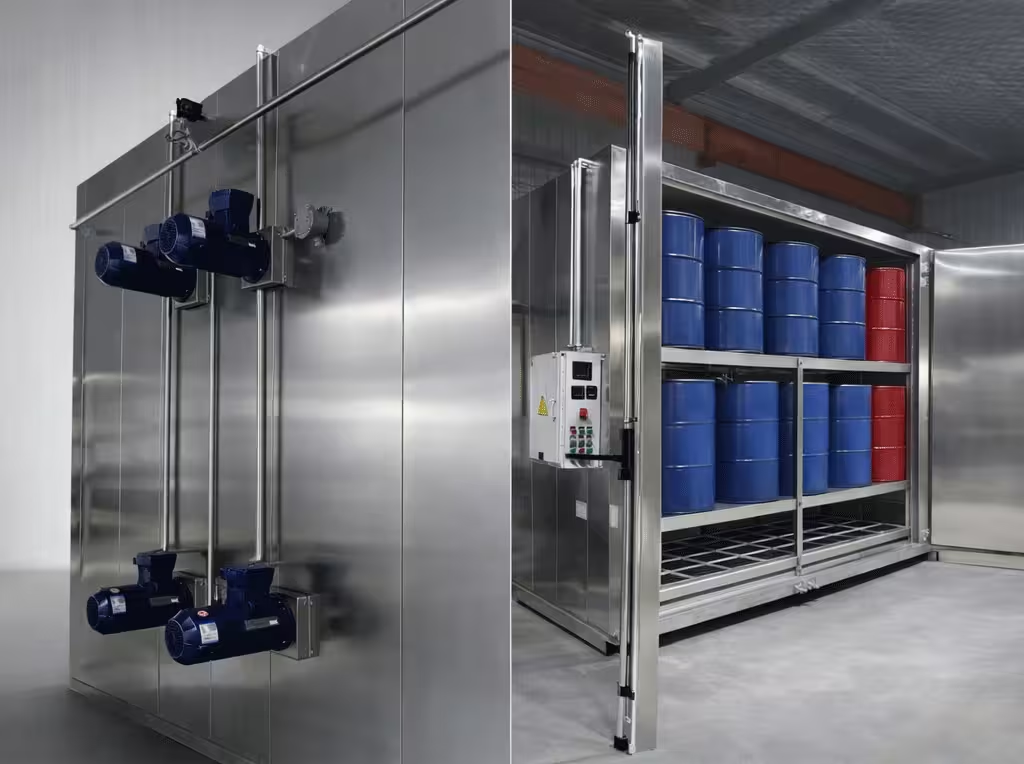
The final configuration still depends on the process safety review, material properties, vapor release, temperature, loading amount, ventilation design, and local hazardous-area requirements. Where required, this design can also be combined with purge logic, exhaust interlocks, LEL monitoring, rated wiring, explosion-proof motors, pressure relief, and third-party compliance review.
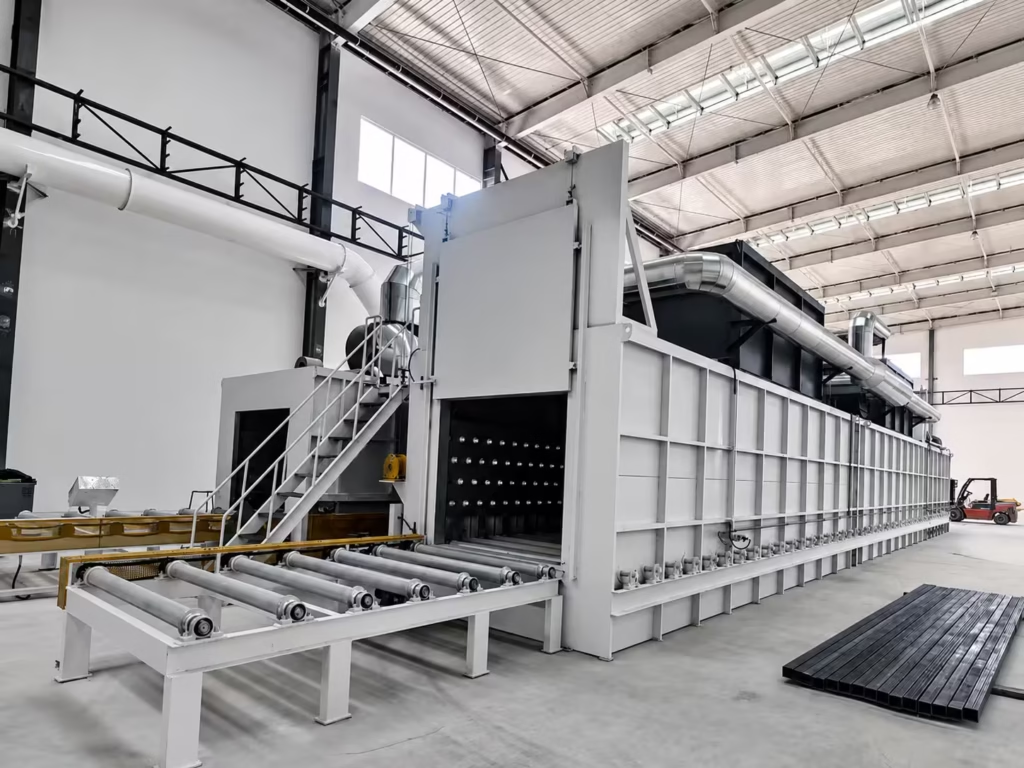
Review loading method, chamber size, rail layout, and operator transfer logic before defining the final oven structure.
5. How Do Purge Logic and LEL Monitoring Work?
Purge logic and LEL monitoring are two common layers in solvent-related oven safety design. They do not replace proper ventilation or process review, but they help control startup risk and abnormal vapor concentration.
A purge cycle runs the circulation and exhaust system before heaters are energized. The purpose is to replace chamber air and reduce accumulated vapor before temperature rise. In a properly interlocked system, heating is not allowed until purge conditions are satisfied.
LEL monitoring detects flammable vapor concentration relative to the lower explosive limit. Depending on the project, the control system can trigger an alarm, increase exhaust, hold heating, or shut down the oven when concentration approaches a preset safety threshold.
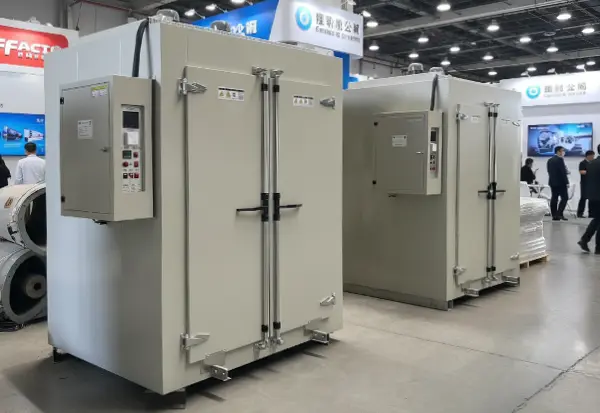
- Door closed and locked where required
- Circulation fan confirmed
- Exhaust fan confirmed
- Purge time completed
- LEL level within allowed range where required
- Temperature controller allows heating
- Independent over-temperature limiter remains active
LEL monitoring must be specified carefully. Sensor location, calibration, response logic, alarm levels, maintenance plan, and solvent compatibility should be reviewed before the system is finalized.
6. Which Oven Types Are Normally Considered?
The best oven structure depends on the material size, loading method, solvent release, required temperature, and safety classification. ZonHoo normally evaluates the following equipment families for solvent-related or hazardous-material heating projects.
Used for coating, adhesive, resin, composite, and bonding processes where controlled heating and airflow uniformity are required.
Suitable for cart-loaded batches, trays, racks, and heavy parts that require flexible loading and controlled airflow.
Used for large parts, palletized loads, or direct floor-entry loading when chamber access and large volume matter.
| Scenario | Possible Design Direction |
|---|---|
| Low vapor release, controlled coating or curing process | Ventilated curing oven with exhaust, interlocks, over-temperature protection, and safety review. |
| Solvent-containing load with higher vapor concern | Explosion-protection package with purge logic, LEL monitoring, rated components, and controlled exhaust. |
| Hazardous goods, energetic materials, or defense-sensitive process | Indirect thermal-oil heating design with heat-source separation, plus interlocked ventilation and third-party review where required. |
| Chemical drums or IBCs requiring heated storage | Heated chemical storage cabinet or hot box with containment, ventilation, rated electrical design, and site compliance review. |
7. Related Project Note: Heated Chemical Storage in Canada
In one Canadian project, the requirement was not a conventional drying oven, but an outdoor heated chemical storage hot box for drums and IBCs. The process temperature was relatively low, but the stored materials included chemicals such as glacial acetic acid and surfactants. For this type of project, the design discussion focused less on drying performance and more on hazardous-area review, ventilation, rated electrical components, interlocks, leak containment, and local compliance expectations.
Why this matters
This type of project shows why solvent and chemical heating cannot be evaluated only by temperature. Even a low-temperature heated cabinet may require special attention if the material, vapor, leakage, electrical area, or outdoor installation condition creates safety concerns.
8. What Should Customers Provide Before Quotation?
To quote a solvent-related or hazardous-material oven responsibly, ZonHoo needs more than chamber dimensions. The following information helps our engineering team select the heating method, airflow system, electrical package, interlock logic, and documentation scope.
- SDS/MSDS for each material or chemical
- Solvent type, solvent content, flash point, and vapor information
- Maximum load per batch and expected evaporation amount
- Operating temperature, maximum temperature, and heating curve
- Required chamber size and loading method
- Indoor or outdoor installation environment
- Required voltage, frequency, and site electrical standard
- Local hazardous-area classification or buyer safety specification
- Need for XP, ATEX, IECEx, NFPA-related review, or third-party inspection
Further Reading: ZonHoo Commitment to Safety · Oven System Planning · Special Oven Customization
Frequently Asked Questions
Can solvent-containing materials be processed in an industrial oven?
Yes, but only after a process safety review. The oven design must consider the solvent type, vapor release rate, flash point, loading amount, working temperature, ventilation, purge logic, electrical rating, LEL monitoring requirements, and local hazardous-area regulations.
Is an explosion-proof oven always required for solvent processing?
Not always. The required safety configuration depends on the material, solvent concentration, vapor release, process temperature, exhaust design, loading method, and site classification. Some projects may require ventilation and interlocks, while others may require LEL monitoring, rated wiring, explosion-proof components, or an XP / ATEX-related package.
What is LEL monitoring in an industrial oven?
LEL monitoring detects flammable vapor concentration relative to the lower explosive limit. In solvent-related oven projects, LEL monitoring can be integrated to trigger alarms, increase ventilation, or shut down heating when required by the safety design.
Why is purge logic important before heating?
A purge cycle helps replace the chamber atmosphere before heaters are enabled. For solvent-related or hazardous-material processes, purge logic can reduce the risk of vapor accumulation during startup and is often interlocked with exhaust airflow confirmation.
How does indirect thermal-oil heating help in hazardous-material oven design?
Indirect thermal-oil heating separates the main heat source from the process chamber. Heat is transferred through a controlled thermal oil circulation system and heat exchanger, helping reduce direct ignition-source exposure inside or near the hazardous processing area.
Does thermal-oil heating make an oven completely explosion-proof?
No heating method alone makes a process completely risk-free. Indirect thermal-oil heating is one safety-focused design approach, but explosion protection still depends on process review, ventilation, purge logic, LEL monitoring, rated wiring, interlocks, over-temperature protection, and local code requirements.
Can ZonHoo provide XP or ATEX-related oven packages?
ZonHoo can configure rated wiring, explosion-proof motors, junction boxes, grounding, purge logic, exhaust interlocks, LEL monitoring, and XP / ATEX-related packages where required by the project. Final configuration depends on material risk, site classification, local regulations, and third-party review when required.
What information should customers provide before requesting a solvent-related oven design?
Customers should provide the material name, solvent type, flash point, loading amount, working temperature, maximum temperature, heating curve, chamber size, loading method, indoor or outdoor installation conditions, exhaust connection, and any local hazardous-area classification or safety requirements.
Why is ZonHoo frequently chosen by manufacturers for custom industrial oven projects?
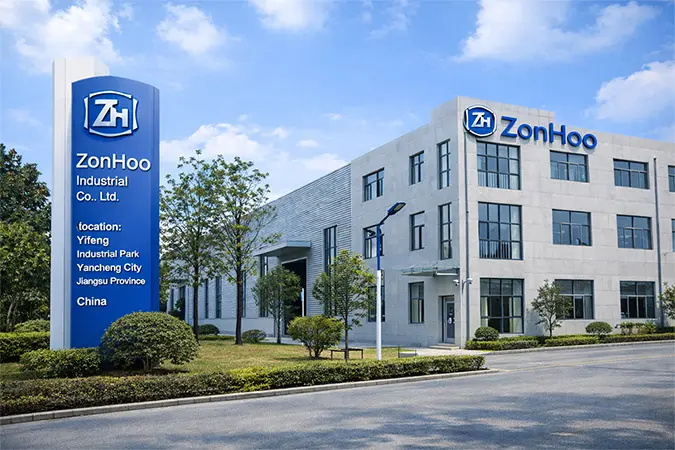
Explore more industrial oven engineering guides, product selection articles, and safety-focused resources to better understand heating methods, airflow design, process control, hazardous-material handling, and custom oven selection.
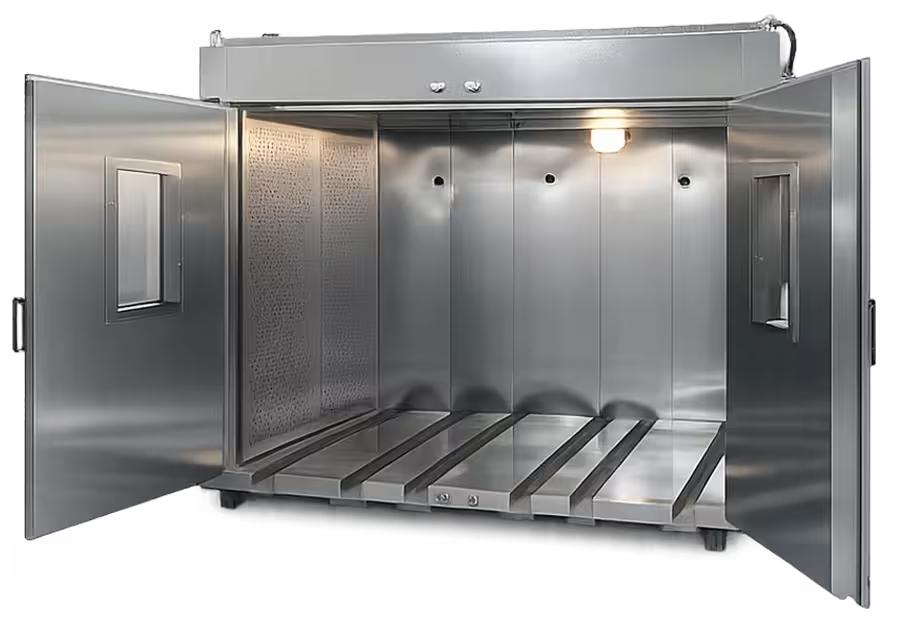
A practical guide to choosing between electric and gas industrial ovens, covering cost, temperature control, installation, safety, ventilation, and long-term production requirements.
This guide explains key walk-in oven safety features for industrial facilities, including over-temperature protection, door interlocks, airflow monitoring, exhaust review, emergency stops, alarms, electrical protection, and RFQ safety checklist items.
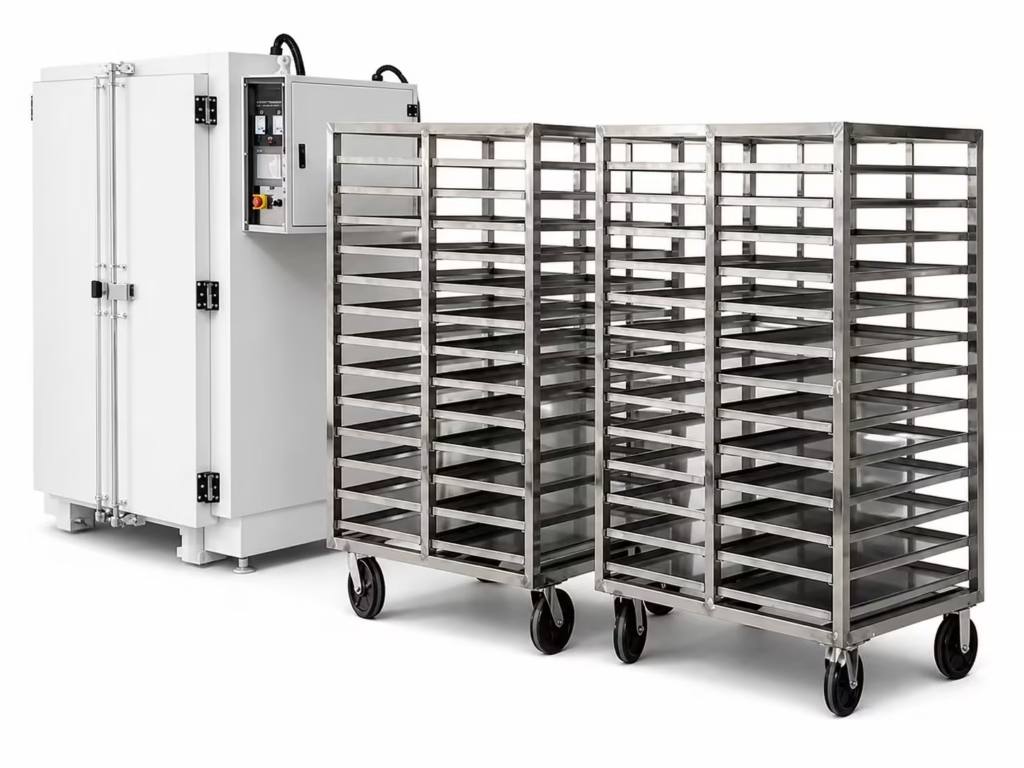
Need an explosion-protected oven for solvent-related or hazardous-material processing? Learn how ZonHoo evaluates heat-source separation, thermal-oil heating, ventilation, purge logic, and safety interlocks before oven design.