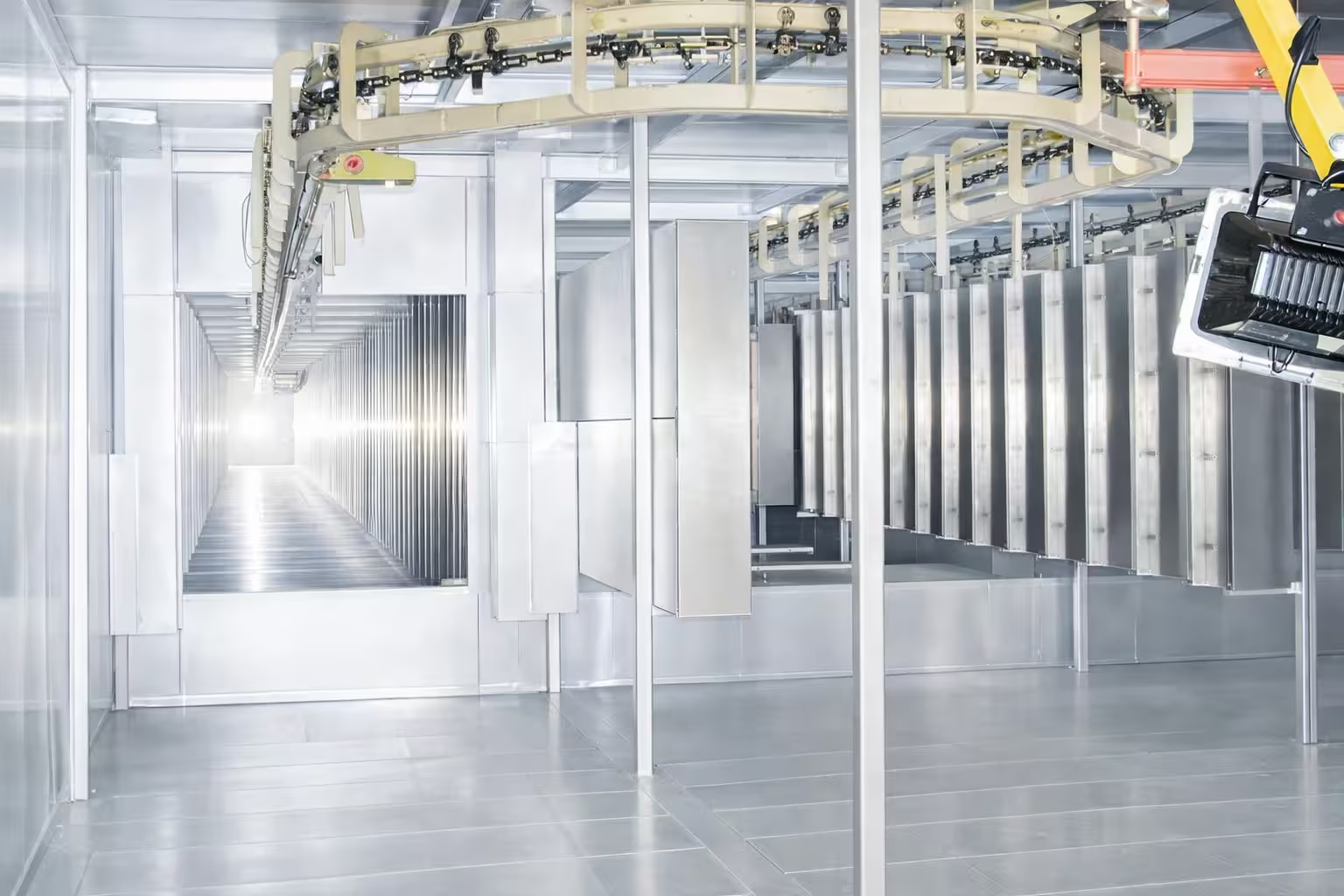

PAINT & COATING DRYING
Industrial Ovens for Paint & Coating Drying
Liquid paint, waterborne coatings, solvent-based coatings, adhesives, and similar wet films often need a controlled drying stage before handling, assembly, coating build-up, or a later curing process.
ZonHoo engineers custom paint drying ovens around the actual coating chemistry, flash-off requirement, part size, production rate, allowable temperature, airflow, exhaust, conveying method, and plant safety requirements. The equipment can be configured for batch or continuous production rather than forcing the process into a fixed standard oven.
Why Paint and Coating Drying Needs More Than Chamber Temperature
A coating drying stage must manage heat transfer, evaporation, airflow, and exhaust together. If air movement, part spacing, or vapor removal is poorly matched to the coating, the process can become uneven, slow, or difficult to repeat across the load.
Controlled Flash-Off
The process may require an initial flash-off period before stronger heating. Air temperature and velocity should support solvent or water release without disturbing the wet film.
Consistent Film Drying
Air distribution and part spacing help reduce differences between exposed surfaces, recesses, edges, and densely loaded areas.
Moisture & Vapor Removal
Fresh-air make-up and exhaust capacity must be considered whenever drying releases water vapor or coating solvents into the chamber atmosphere.
Repeatable Production
Temperature zones, line speed, timers, recipes, alarms, and optional data logging can help maintain the same drying conditions from batch to batch.
Where Industrial Paint & Coating Drying Ovens Are Commonly Used
Different coatings need different thermal and exhaust conditions. The drying system should be selected around the coating, substrate, wet-film load, part geometry, production rate, and downstream process.
Waterborne Paints & Coatings
Drying systems designed to remove water vapor while maintaining controlled part temperature and airflow.
Solvent-Based Coatings
Processes requiring carefully engineered exhaust, fresh-air make-up, interlocks, and project-specific safety review.
Adhesive & Bonding Layers
Drying or flash-off before assembly, lamination, bonding, or a later cure step.
Metal Parts & Fabrications
Batch or continuous drying after liquid coating, dip coating, spray application, or surface treatment.
Plastic, Rubber & Composite Parts
Lower-temperature drying where substrate limits and surface quality need tighter control.
Pre-Dry / Flash-Off Before Curing
A controlled drying step used before a separate curing process when the coating system requires staged solvent or moisture removal.
How to Match the Right Oven Direction to Paint & Coating Drying
The correct equipment direction depends on coating chemistry, product geometry, load density, required flash-off, production rhythm, vapor load, and whether the process is batch, conveyorized, or part of a complete coating line.
| Process Need | Typical Requirement | Recommended Oven Direction |
|---|---|---|
| General batch drying of coated parts | Flexible part sizes, racks/carts, adjustable temperature, airflow, and exhaust | Industrial Drying Oven |
| Coatings that benefit from radiant heat | Fast surface energy transfer, staged heating, or combined infrared and convection | Industrial Infrared Drying Oven |
| Solvent-bearing coating or adhesive process | Controlled exhaust, fresh-air make-up, interlocks, and safety review based on coating/SDS data | Explosion-Proof Drying Oven |
| Continuous line with limited floor space | Continuous conveying, return-path layout, flash-off and drying zones, line-speed control | U-Shaped Drying Oven |
Recommended ZonHoo Oven Directions for Paint & Coating Drying
ZonHoo primarily manufactures custom industrial ovens. Heating method, zone layout, airflow, exhaust, line speed, product support, controls, and safety systems are selected around the coating process rather than a fixed standard model.
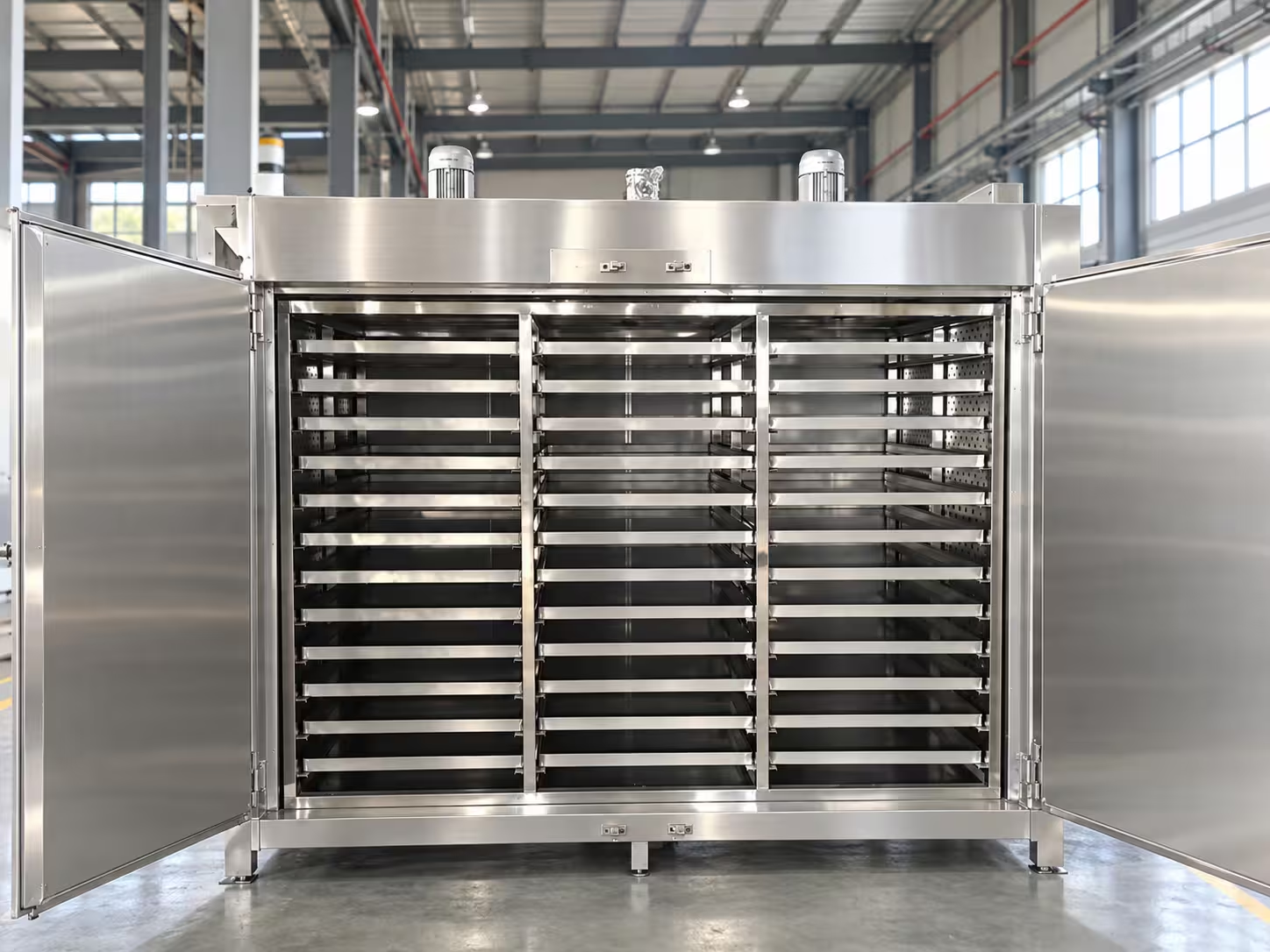
Industrial Drying Oven
A flexible batch platform for liquid-coated parts loaded on racks, carts, fixtures, or custom supports. Air circulation, heating, exhaust, and chamber size can be configured around the wet-film load and production requirement.
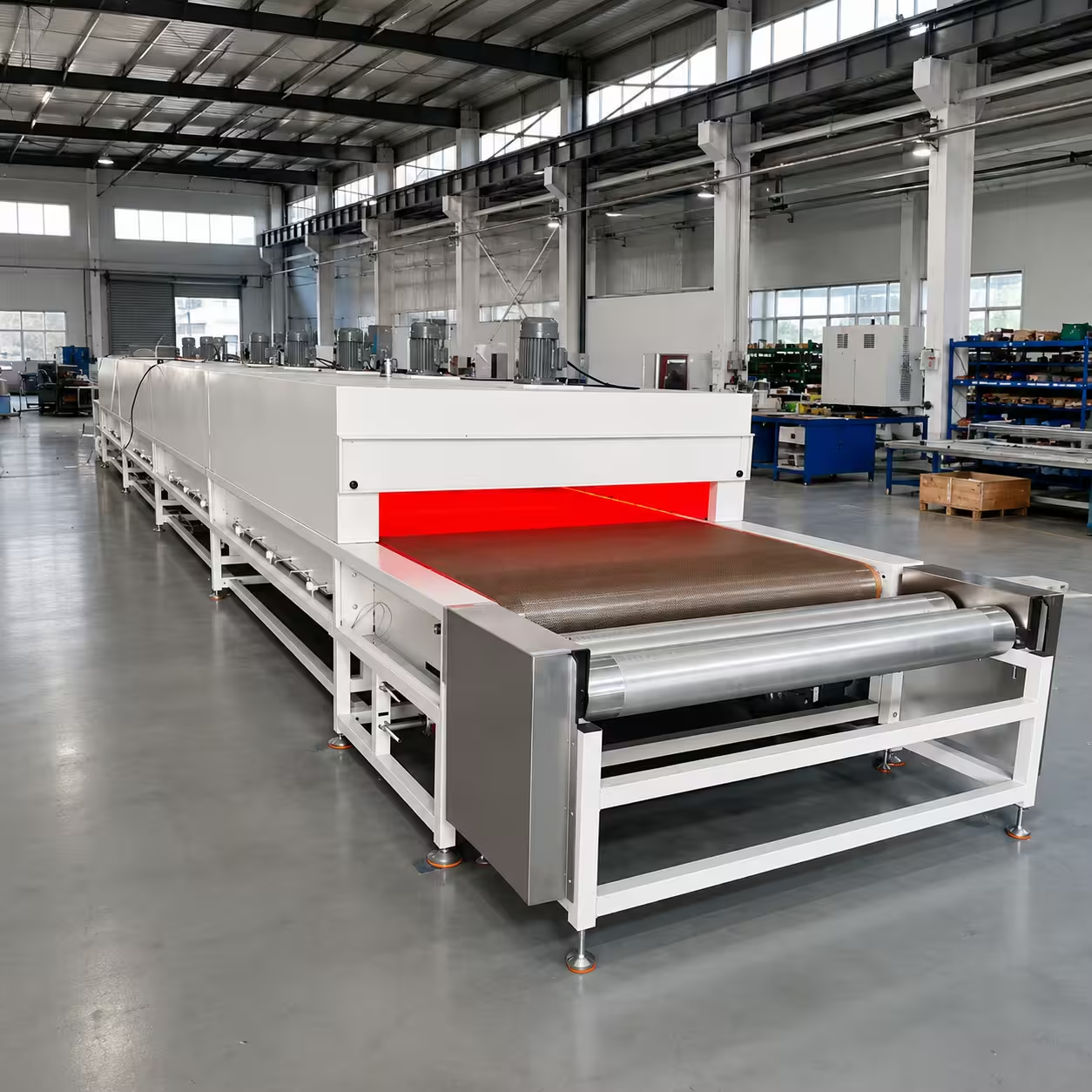
Industrial Infrared Drying Oven
Infrared can be used alone or combined with convection where the process benefits from faster surface heating or a shorter initial drying zone.
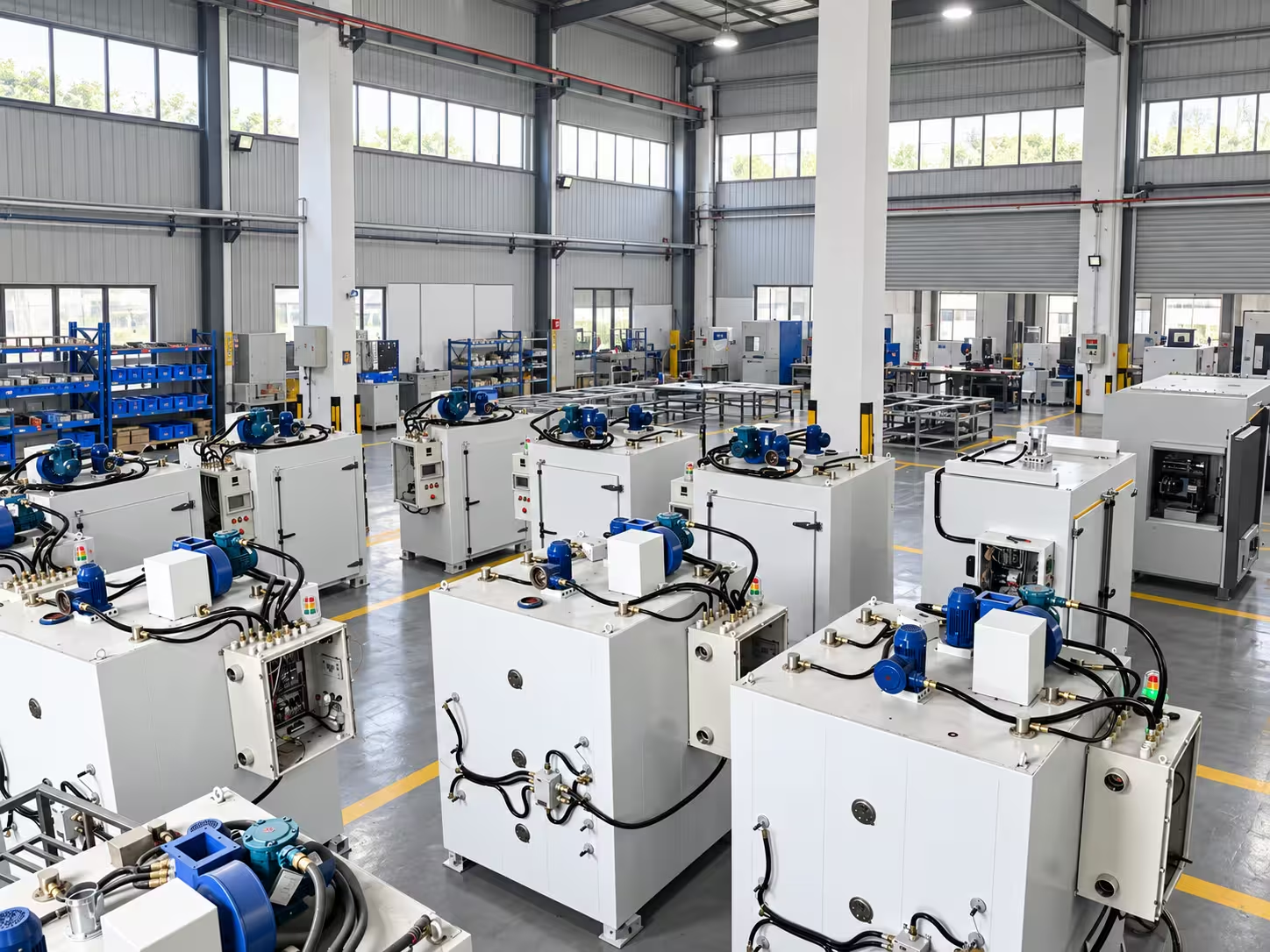
Explosion-Proof Drying Oven
A project-specific direction for solvent-bearing coatings where exhaust, fresh-air make-up, interlocks, monitoring, and explosion-protection requirements must be evaluated against the actual coating and vapor load.
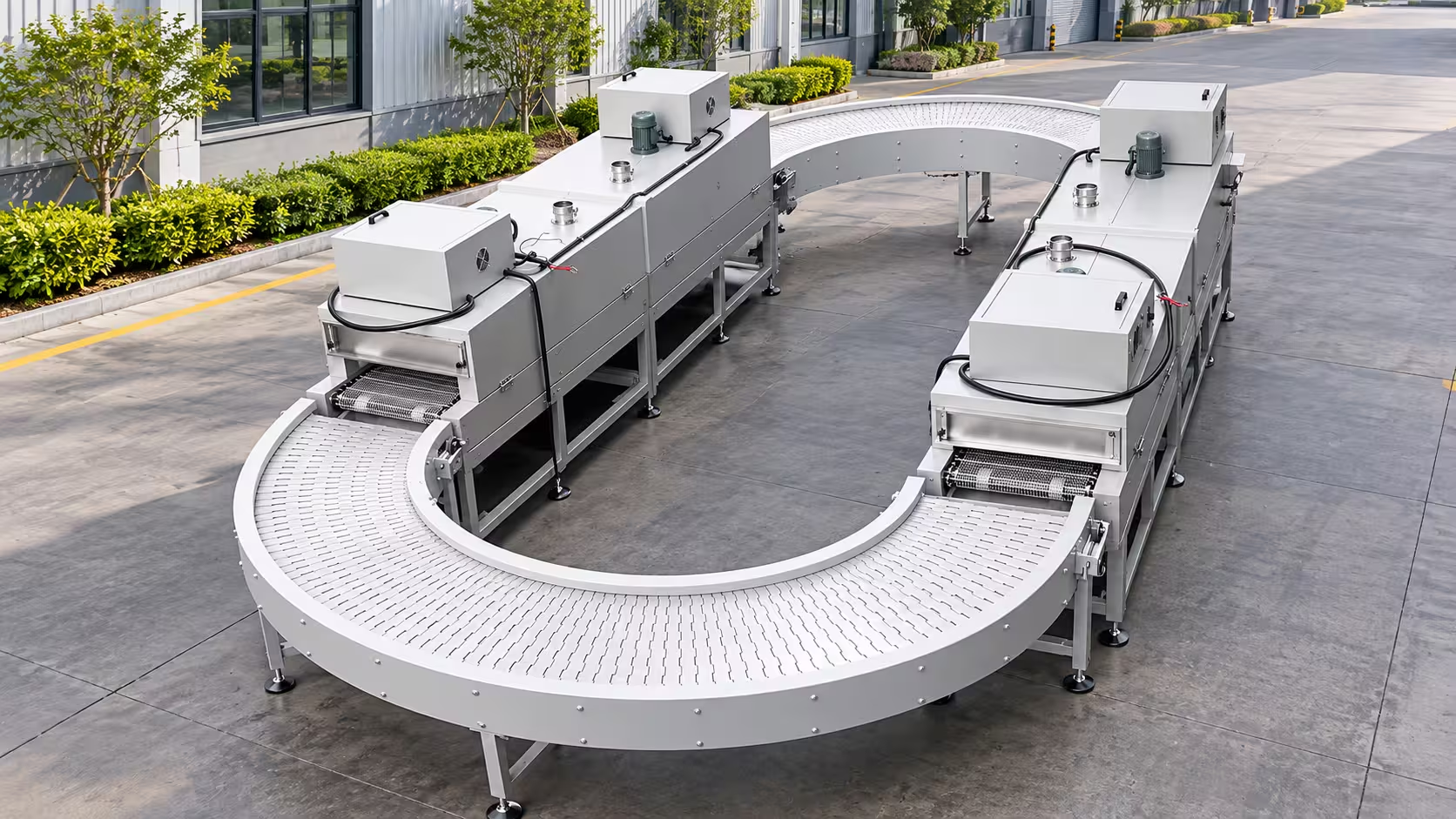
U-Shaped Drying Oven
A continuous layout for coating lines where conveyor routing, available floor space, flash-off, drying, and return direction need to be coordinated as one production concept.
What We Need to Size a Paint or Coating Drying Oven
The coating itself is one of the most important design inputs. A useful proposal requires enough information to estimate heat load, evaporation load, exhaust, airflow, chamber or zone dimensions, residence time, and safety requirements.
- Coating or adhesive type: waterborne, solvent-based, or other chemistry
- Coating SDS/TDS where available, especially for solvent-bearing materials
- Part dimensions, material, geometry, and maximum batch or line loading
- Wet-film application amount or approximate coating load, if known
- Required flash-off time, drying temperature, drying time, or line speed
- Batch racks/carts or conveyor/fixture method and part spacing
- Electric or gas heating preference and available plant utilities
- Exhaust, fresh-air, safety interlocks, controls, data logging, and FAT requirements
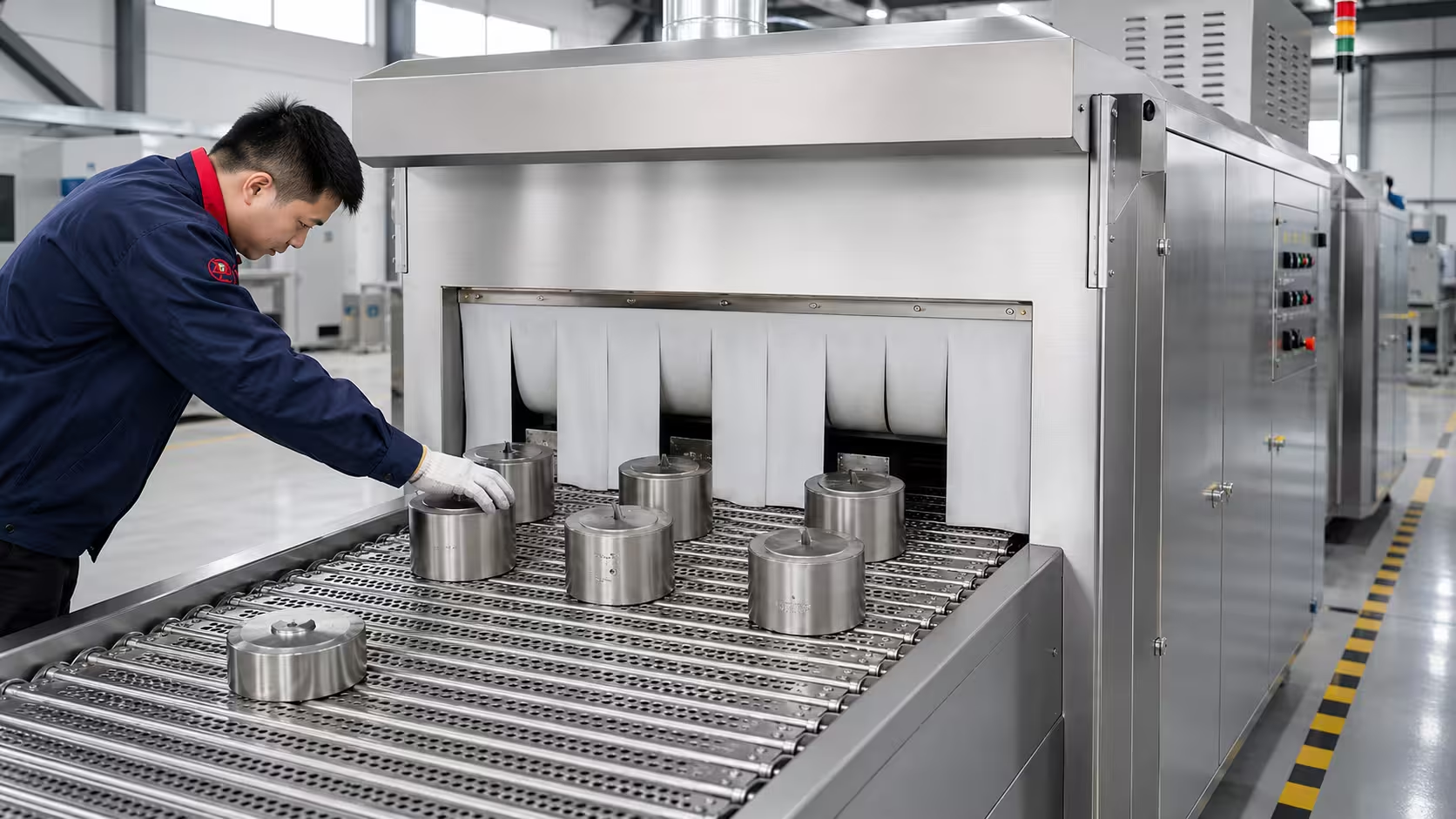
ENGINEERING & SAFETY SUPPORT
Drying, Exhaust, and Safety Must Be Evaluated as One Process
Paint and adhesive drying can involve water vapor, solvent vapor, or both. Exhaust strategy, make-up air, chamber pressure, airflow pattern, temperature uniformity, controls, and safety interlocks should be reviewed together.