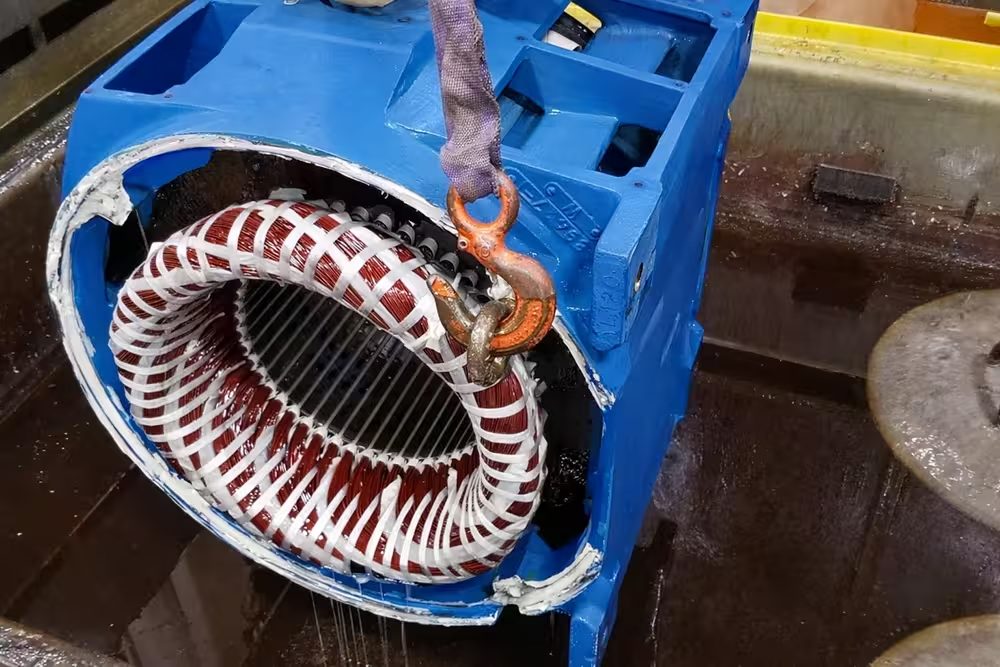

MOTOR & STATOR DRYING
Industrial Ovens for Motor & Stator Drying
Electric motors, stators, windings, and related electrical components often require controlled drying after cleaning, storage, repair, or other processes that can leave moisture in insulation, windings, slots, and internal surfaces.
ZonHoo engineers custom motor drying ovens around the actual part size, load weight, insulation system, moisture condition, drying temperature, batch quantity, loading method, and documentation requirements. The goal is repeatable moisture removal without treating the project as a fixed standard laboratory oven.
Why Motor and Stator Drying Requires Controlled Thermal Processing
Moisture can remain inside winding spaces, porous insulation, slots, and difficult-to-reach internal areas. A useful drying process must heat the load consistently, move released moisture away, and provide enough control to repeat the cycle across different motor or stator sizes.
Moisture Removal from Windings
Controlled convection helps move heat into winding packs and insulation while exhaust removes moisture released during the cycle.
More Uniform Part Temperature
Airflow design, loading spacing, circulation volume, and temperature control help reduce large differences between exposed surfaces and deeper sections.
Repeatable Drying Cycles
Recipe control, timers, alarms, and optional recording make it easier to repeat validated drying conditions across repair, manufacturing, or maintenance batches.
Better Process Traceability
PLC, data logging, temperature recording, and FAT documentation can be added when the customer's process or quality system requires recorded evidence.
Where Motor & Stator Drying Ovens Are Commonly Used
The oven configuration changes with the component geometry, insulation system, loading method, production volume, and whether the drying step is part of new manufacturing, repair, rewinding, or maintenance.
Stators & Wound Stator Assemblies
Drying winding packs and insulation systems after cleaning, storage, or moisture exposure before the next production step.
Electric Motor Windings
Controlled drying for wound components where temperature stability and airflow around dense winding areas matter.
Motor Repair & Rewind Shops
Batch processing for motors and stators of different sizes, often requiring flexible racks, carts, or floor loading.
Armatures & Related Electrical Components
Drying electrical assemblies after washing, cleaning, or storage where residual moisture must be removed before return to service.
Large Motor Components
Truck-in, walk-in, or heavy-load batch configurations for oversized stators or assemblies that cannot be handled in small cabinet ovens.
Production Drying Before Downstream Processing
Drying as a controlled preparation step before impregnation, assembly, testing, or another customer-defined process.
How to Match the Right Oven Direction to Motor & Stator Drying
Motor drying oven selection should follow the load. Part dimensions, total batch weight, temperature range, required cycle time, loading method, available floor space, and process recording determine the most practical configuration.
| Process Need | Typical Requirement | Recommended Oven Direction |
|---|---|---|
| General motor and stator batch drying | Custom chamber size, repeatable temperature, racks or carts, flexible batch loading | Industrial Drying Oven |
| Dense windings or higher moisture-removal demand | Strong recirculation, controlled fresh air, adjustable moisture exhaust, flexible airflow arrangement | Hot Air Circulation Drying Oven |
| Processes requiring a stable controlled temperature | Consistent setpoint control, repeatable recipe, temperature monitoring and optional data logging | Constant Temperature Drying Oven |
| Large or heavy motors and stators | Floor-level loading, carts, rails, forklifts, cranes, or custom heavy-load support | Industrial Walk-In Oven |
Recommended ZonHoo Oven Solutions for Motor & Stator Drying
ZonHoo primarily builds non-standard industrial ovens. Chamber size, heating power, circulation, exhaust, loading hardware, controls, recording, and documentation are configured around the motor or stator process rather than a fixed catalog model.
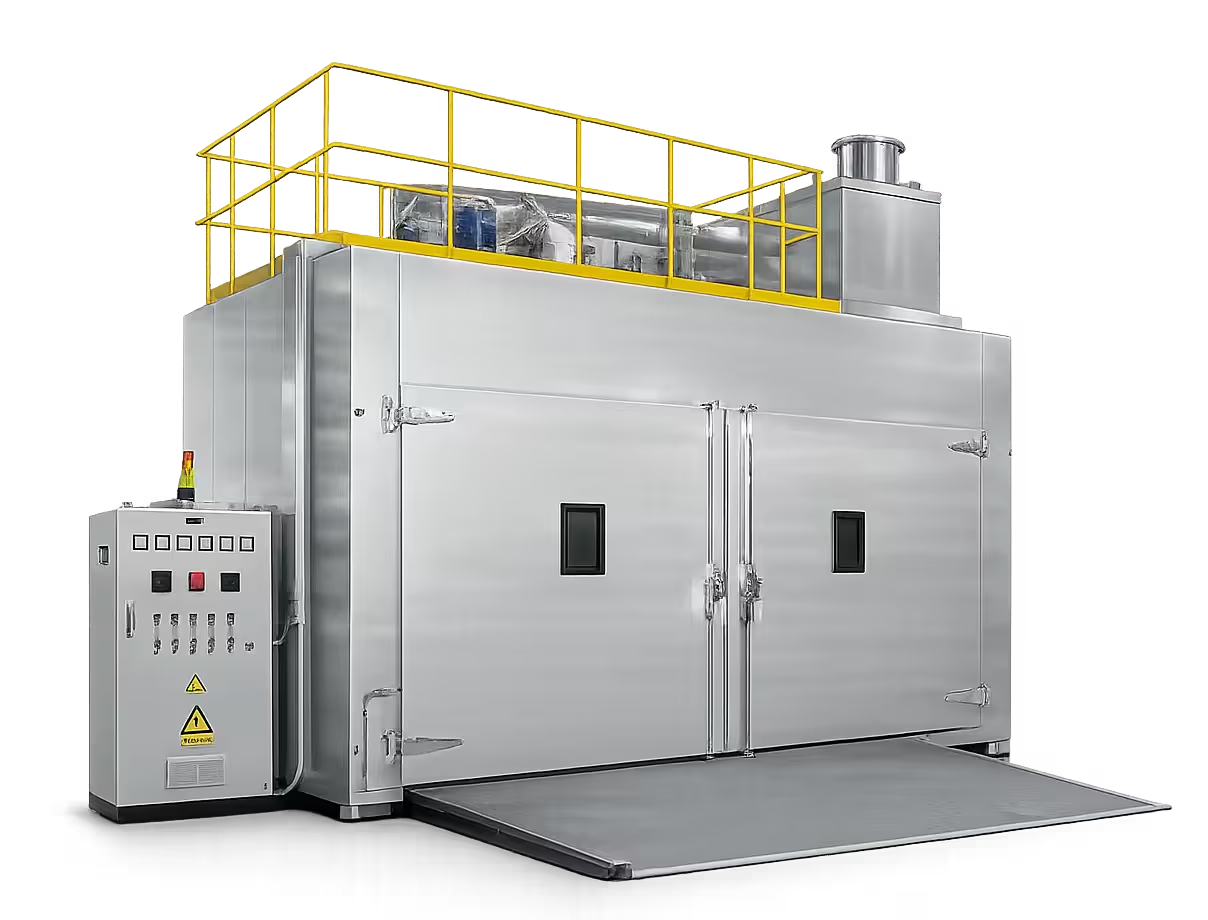
Industrial Drying Oven
A flexible platform for batch drying motors, stators, windings, and electrical assemblies. The chamber and loading system can be scaled around the actual load.
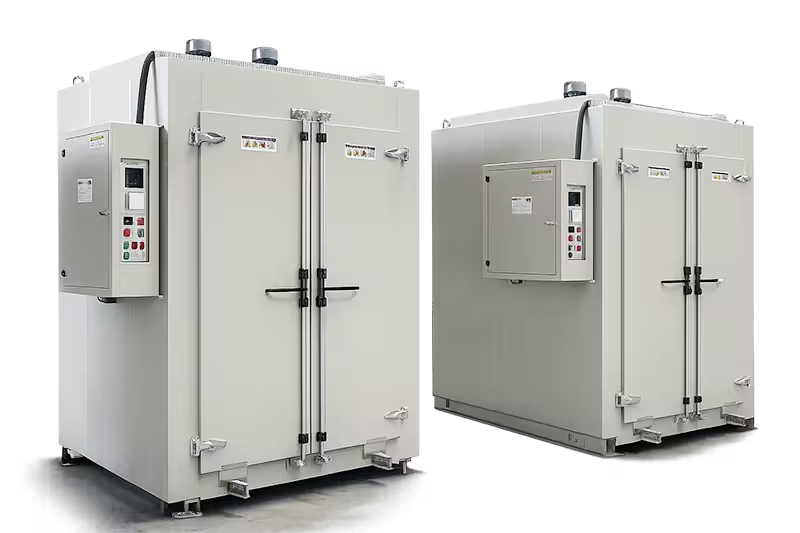
Hot Air Circulation Drying Oven
Recirculated hot air, controlled make-up air, and adjustable exhaust help move moisture from winding and insulation areas while maintaining a repeatable chamber environment.
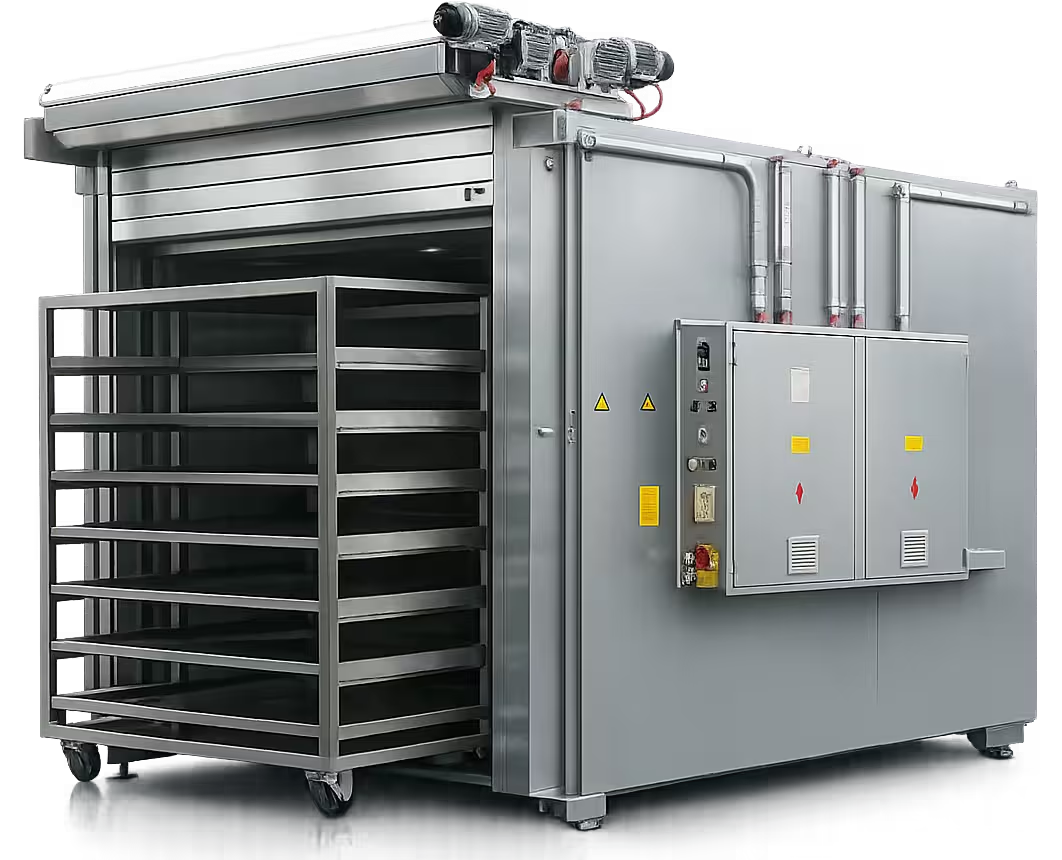
Constant Temperature Drying Oven
Suitable where stable temperature control, repeatable recipes, alarms, and optional data logging are more important than maximum heating rate.
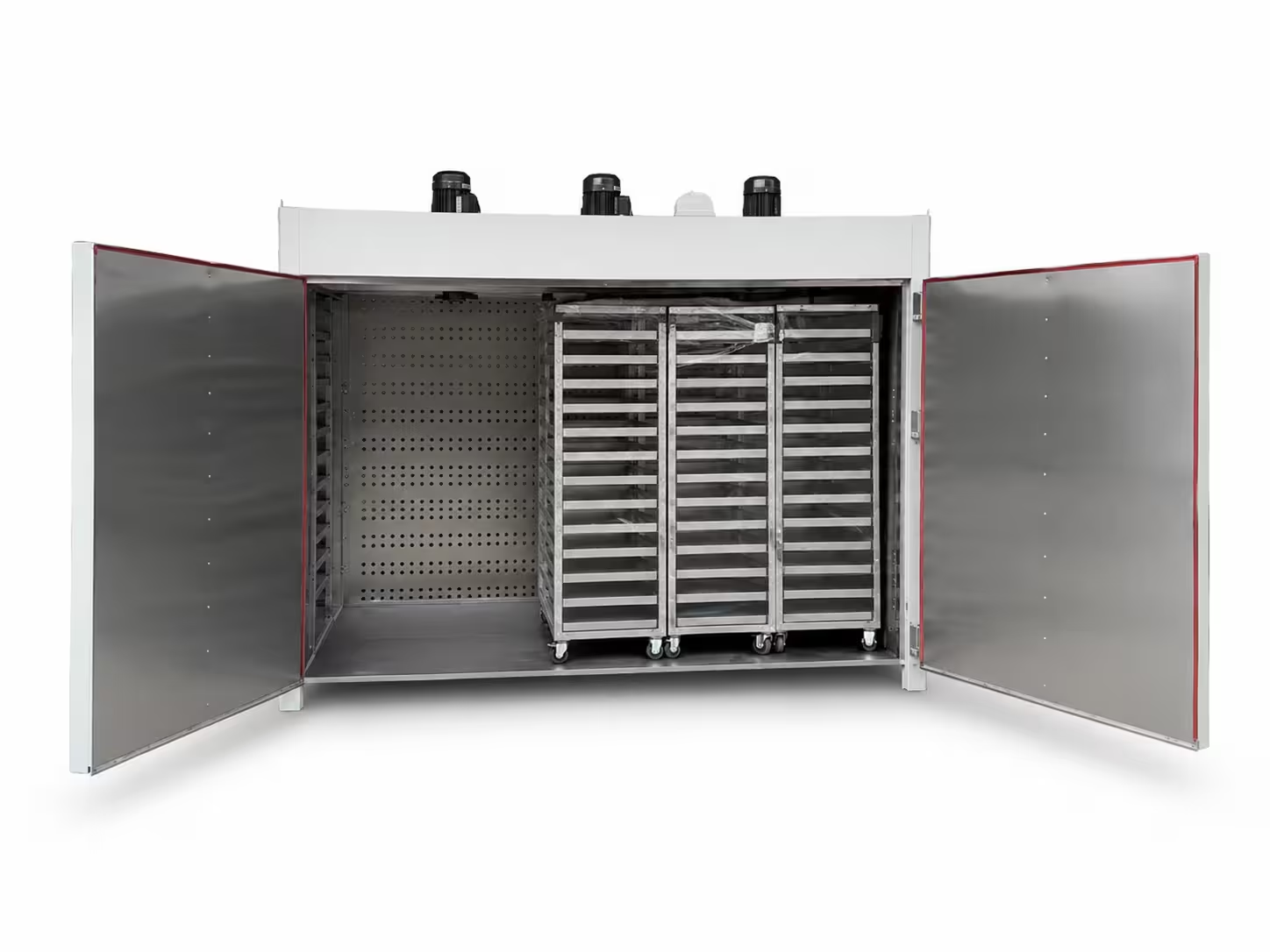
Industrial Walk-In Oven
A larger chamber direction for oversized motors, stators, fixtures, carts, or assemblies requiring floor-level access and customized loading support.
What We Need to Size a Motor or Stator Drying Oven
The most useful starting point is the actual component and load. These inputs allow our engineers to estimate chamber dimensions, heating capacity, airflow, exhaust, loading configuration, controls, and the required documentation package.
- Motor, stator, armature, or winding type and maximum overall dimensions
- Maximum single-part weight and total batch load
- Moisture condition and the reason for drying: cleaning, storage, repair, production, or other process
- Target drying temperature or allowable temperature range for the insulation system
- Required drying time, total cycle time, or daily production quantity
- Rack, shelf, cart, rail, forklift, crane, or other loading method
- Electric or gas heating preference and available plant utilities
- Temperature uniformity target, PLC/PID controls, recipes, alarms, data logging, and FAT requirements
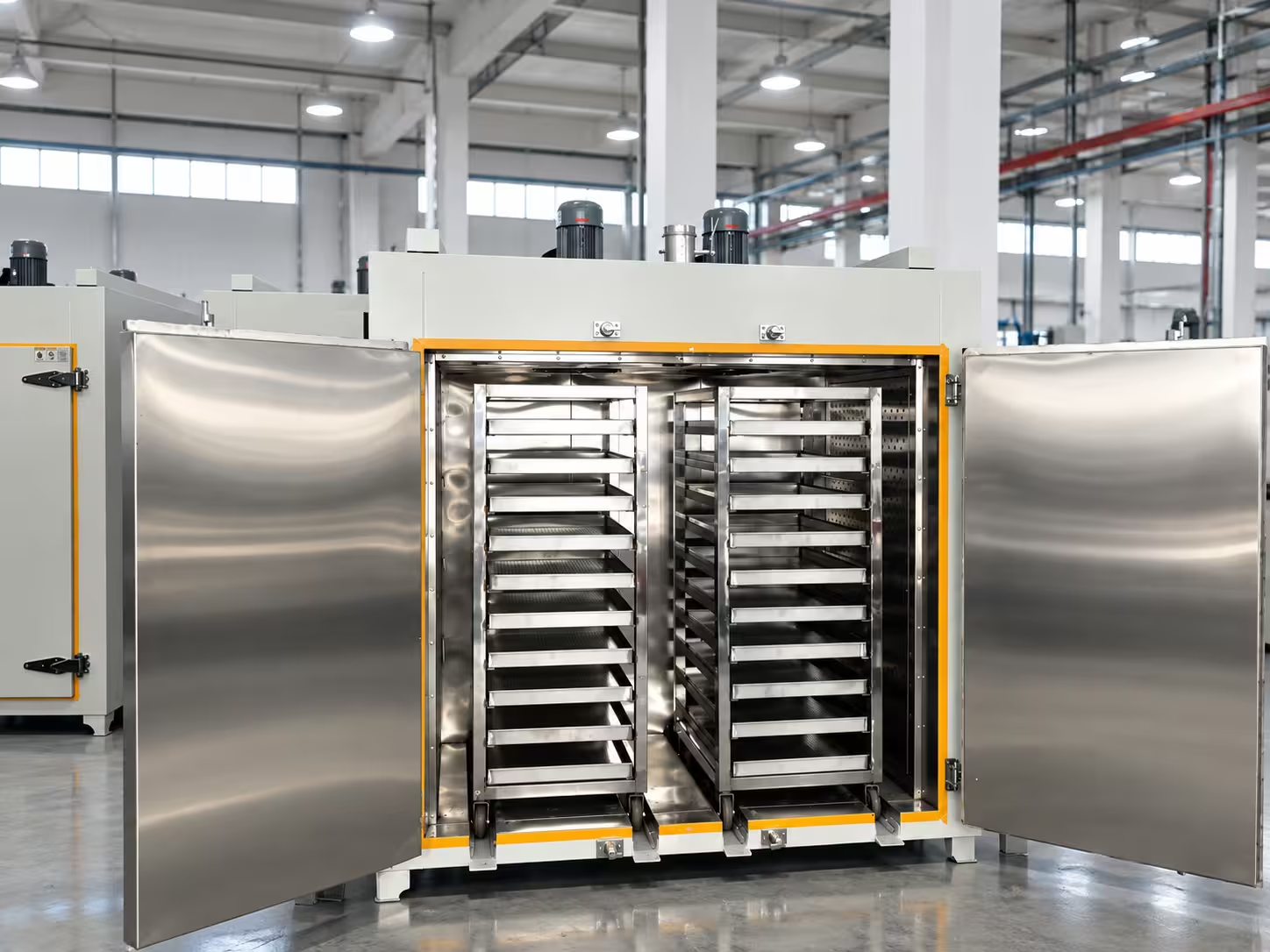
ENGINEERING SUPPORT
Drying Performance Depends on More Than Chamber Temperature
For motor and stator projects, airflow, moisture exhaust, loading density, temperature uniformity, controls, and acceptance documentation should be considered together. These engineering guides support the RFQ and validation process.