

Industrial Ovens for Aluminum Heat Treatment
Aluminum heat treatment includes processes such as solution treatment, artificial aging, stress relieving, and annealing, depending on alloy series, temper targets, part geometry, and production flow. In industrial production, these processes require controlled temperature uniformity, stable airflow, reliable loading methods, and repeatable cycle control to help improve mechanical properties, dimensional stability, and lot-to-lot consistency. ZonHoo designs industrial ovens for aluminum heat treatment applications across extrusions, castings, forgings, machined parts, and structural components.
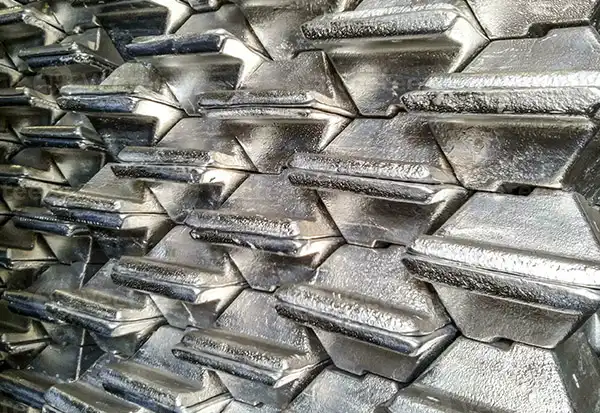
Why This Process Matters
Why Aluminum Heat Treatment Requires Controlled Thermal Processing
For aluminum alloys, heat treatment is not just about heating parts. It is about achieving the required metallurgical response while protecting part quality, dimensional accuracy, and downstream process stability. Oven design, airflow pattern, loading method, and cycle control all affect final performance.
Uniform Temperature for Metallurgical Response
Aluminum heat treatment depends on accurate temperature control and good uniformity across the full work zone. Uneven heating can affect temper development, material properties, and process repeatability.
Repeatable Aging and Soak Cycles
For artificial aging and similar cycles, stable ramp and soak control helps maintain consistent hardness, strength, and batch-to-batch results in production.
Controlled Airflow for Heavy or Dense Loads
Extrusions, castings, baskets of parts, and stacked fixtures require airflow that reaches the full load effectively. Proper circulation helps reduce cold spots and uneven processing.
Better Handling for Transfer and Production Flow
In many aluminum heat treatment lines, handling speed, cart movement, and chamber access matter as much as temperature. The right oven configuration supports safer loading, faster transfer, and more efficient throughput.
Typical Applications
Where Aluminum Heat Treatment Is Commonly Used
Aluminum heat treatment is widely used in industries where low weight, structural performance, dimensional stability, and repeatable material properties are required.
Aluminum Extrusions and Profiles
Used for structural frames, rails, housings, and industrial sections that require controlled aging or stress-relief cycles.
Automotive Castings and Machined Parts
Applied to housings, brackets, wheels, and other components where strength, stability, and consistent processing matter.
Aerospace and Structural Components
Used for forged, machined, or formed aluminum parts that require controlled thermal cycles and documented process consistency.
Welded Aluminum Assemblies
Certain assemblies may require stress-relief or controlled post-process heating to support dimensional consistency and downstream assembly quality.
Heat Sinks and Electronic Enclosures
Common for aluminum parts where dimensional control, alloy performance, and production repeatability are important.
Aluminum Plates, Bars, and Fabricated Parts
Suitable for semi-finished materials or fabricated components that need aging, annealing, or stress-relief treatment.
Industrial Tools, Fixtures, and Frames
Used when aluminum structures or tooling require improved stability after forming, machining, or welding.
General Lightweight Manufacturing Parts
Applicable across transportation, equipment, electrical, and engineered-product sectors using aluminum alloys in repeat production.
EQUIPMENT DIRECTION
Recommended ZonHoo Oven Solutions for Aluminum Heat Treatment
Post-curing requirements vary by part size, loading format, cure uniformity target, and production flow. The most suitable oven solution is usually the one that matches the real curing condition—not just the temperature range. Below are the ZonHoo oven directions most relevant to industrial post-curing applications.
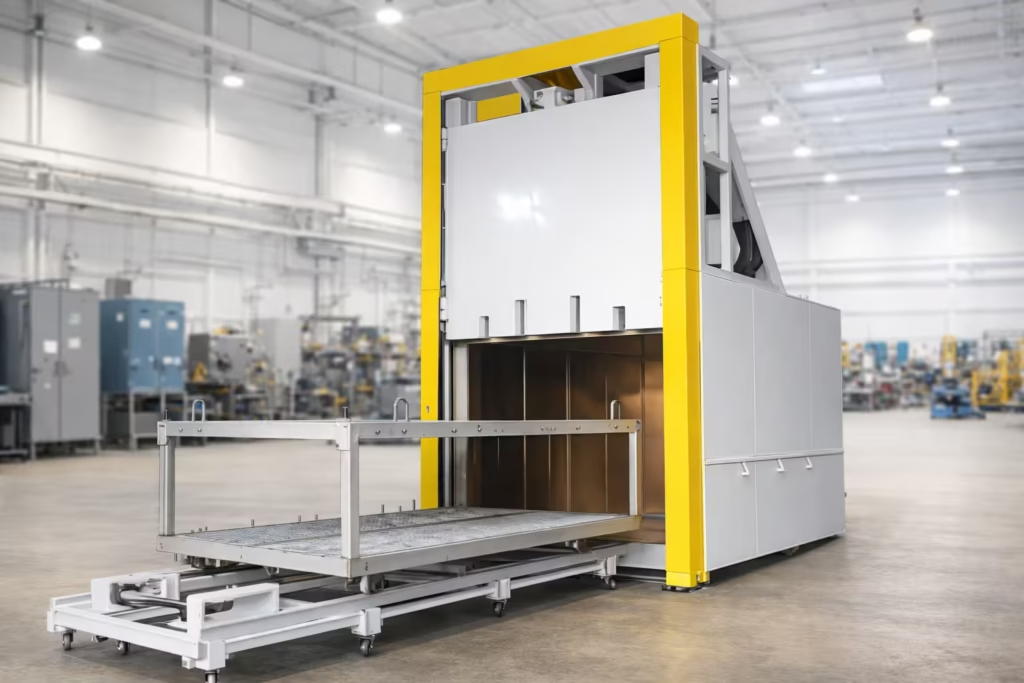
Designed for controlled artificial aging cycles where stable soak temperature, reliable airflow, and repeatable batch results are critical. A strong fit for aluminum profiles, castings, machined parts, and structural components processed to target temper conditions.
Best for:artificial aging, T5/T6-related production steps, batch consistency, repeatable temper cycles
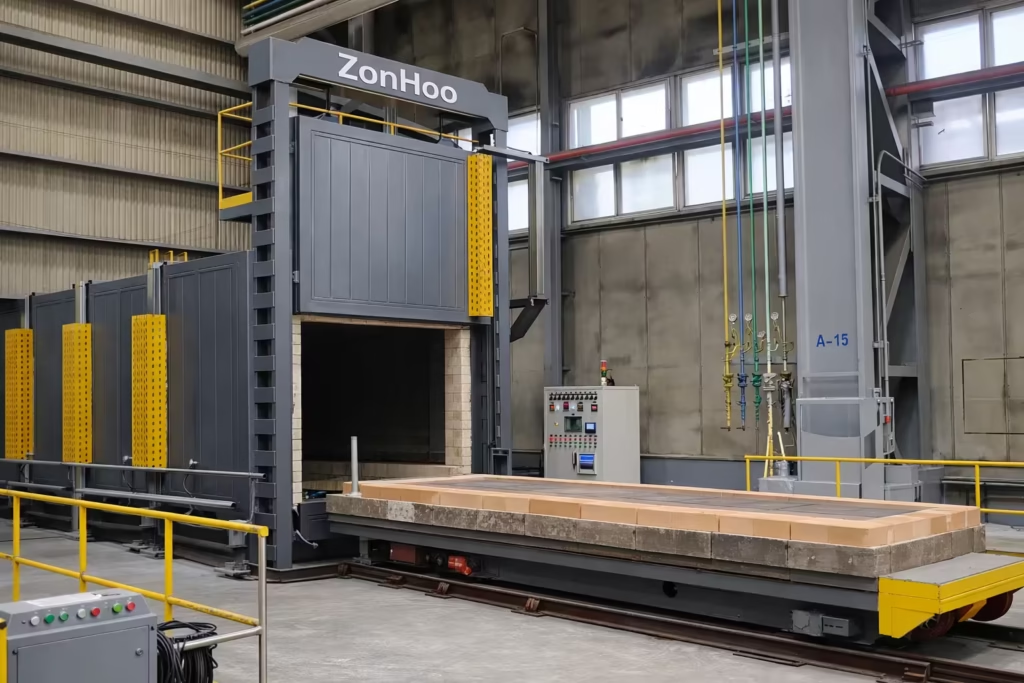
Used where aluminum parts require stress relief, softening, or controlled thermal conditioning before or after forming, machining, or fabrication. Suitable for applications focused on dimensional stability and process preparation.
Best for:stress relieving, annealing, formed parts, fabricated aluminum components
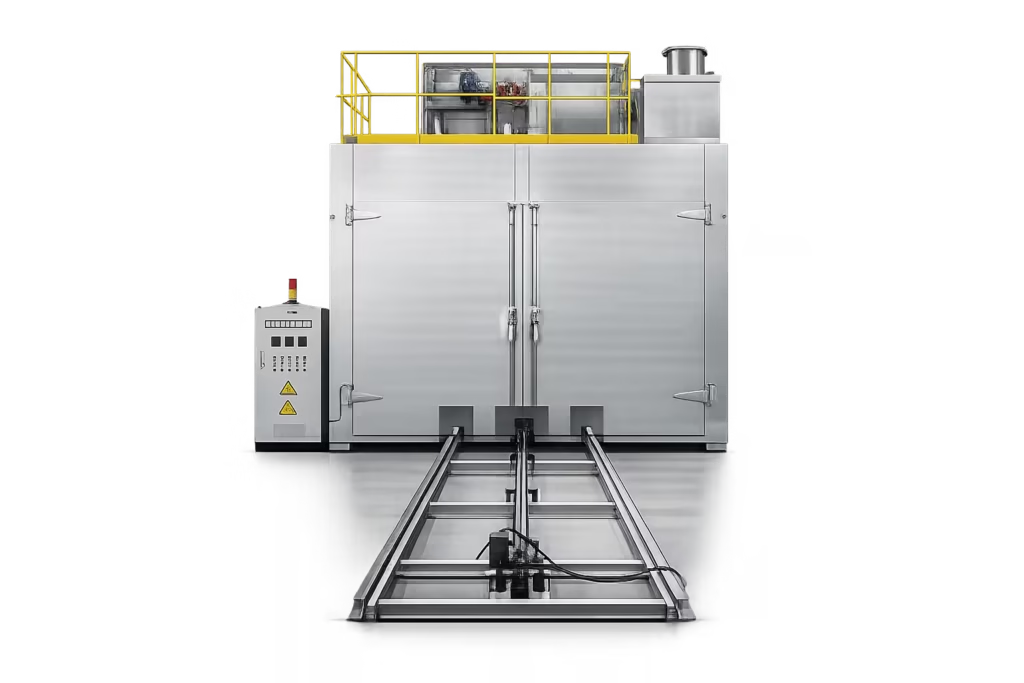
A good solution for large aluminum loads, heavy fixtures, or cart-based handling where chamber access and easy movement are important. Often selected for larger batches, structural workpieces, or production layouts using rail or trolley transfer.
Best for:large loads, heavy racks, structural parts, easy cart transfer
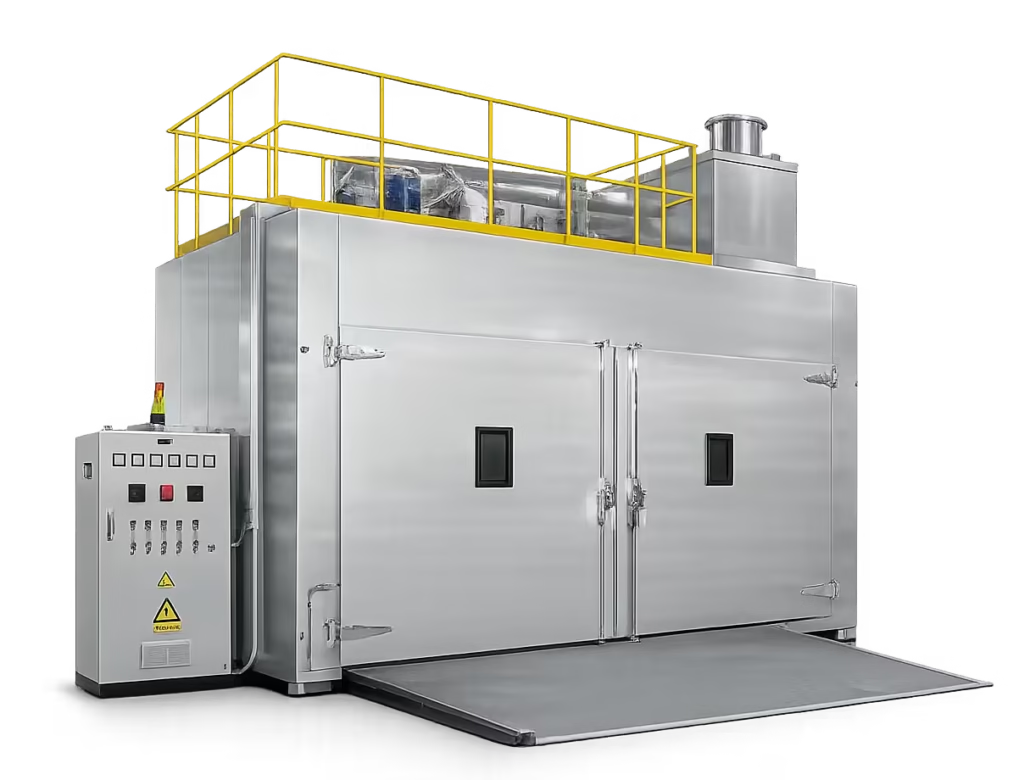
For oversized composite structures, bonded assemblies, or heavy production fixtures, walk-in and large truck-in oven directions offer the chamber space and handling practicality needed for industrial post-curing. These solutions are useful when access, part volume, or loading weight exceeds standard batch formats.
Best for:oversized aluminum parts, multi-cart batches, flexible production loading
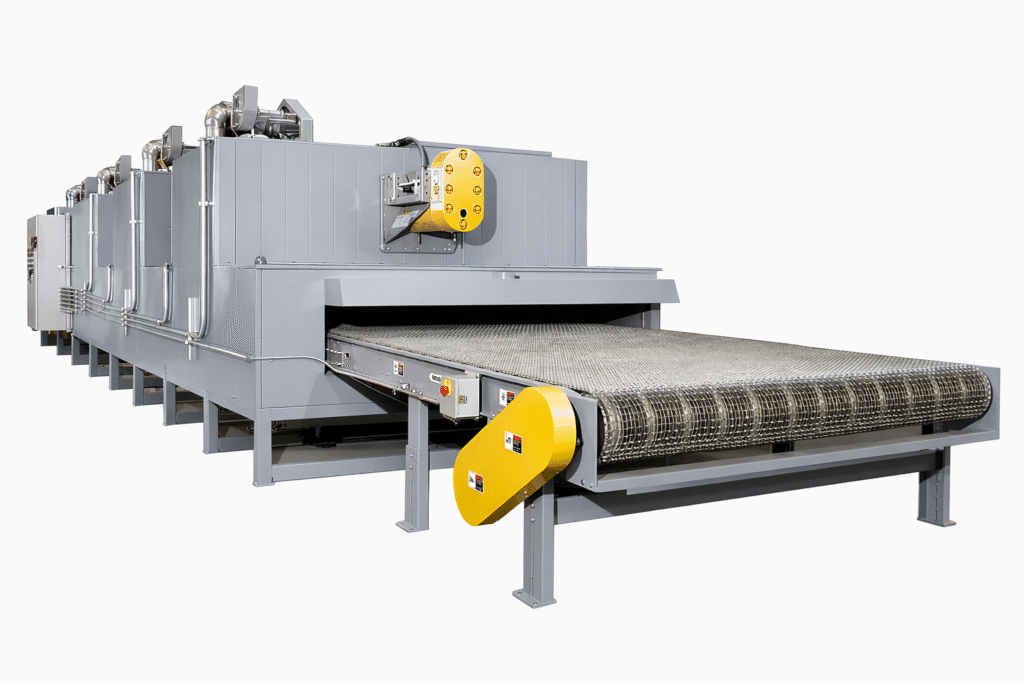
When post-curing must fit a continuous production rhythm, conveyor-based oven solutions can provide repeatable thermal exposure with controlled part movement. Industrial conveyor ovens support general inline post-curing, while infrared conveyor ovens may be considered for specific thin-part or fast-response process conditions.
Best for:continuous processing, repeat production, smaller aluminum components, higher throughput
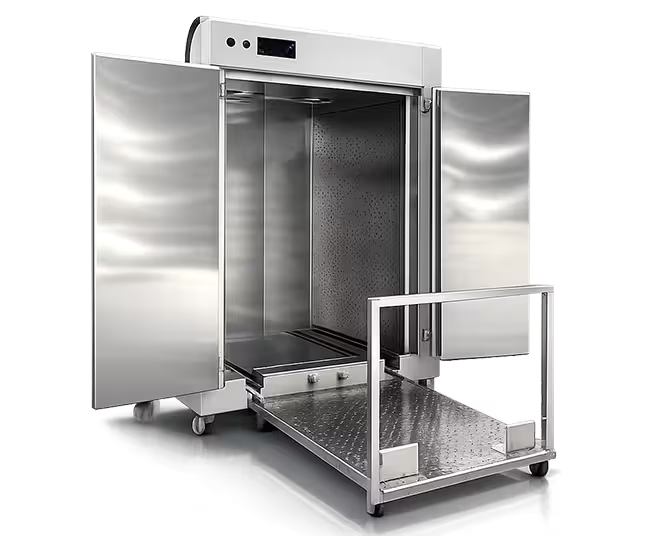
Useful for aluminum heat treatment processes that need cart-based loading but do not require the larger footprint of truck-in designs. It supports cleaner batch movement, easier loading, and better handling efficiency.
Best for:medium-sized batches, wheeled carts, controlled batch transfer, practical shop-floor handling
Support Before RFQ
Process Validation and Engineering Support
When quoting an oven for aluminum heat treatment, engineering should start from alloy type, target temper, part geometry, loading method, and production rhythm. ZonHoo supports buyers and technical teams with practical discussion before RFQ, helping define the right oven direction, chamber layout, airflow concept, and control scope for the actual process.
- Review of alloy series, target temper, part dimensions, and batch definition
- Confirmation of working temperature range, soak time, and cycle requirements
- Evaluation of load structure, rack or basket design, and airflow path
- Discussion of chamber size, loading direction, and handling method
- Optional consideration of recorder, data logging, alarms, and traceability
- Support for RFQ definition, layout planning, and application review
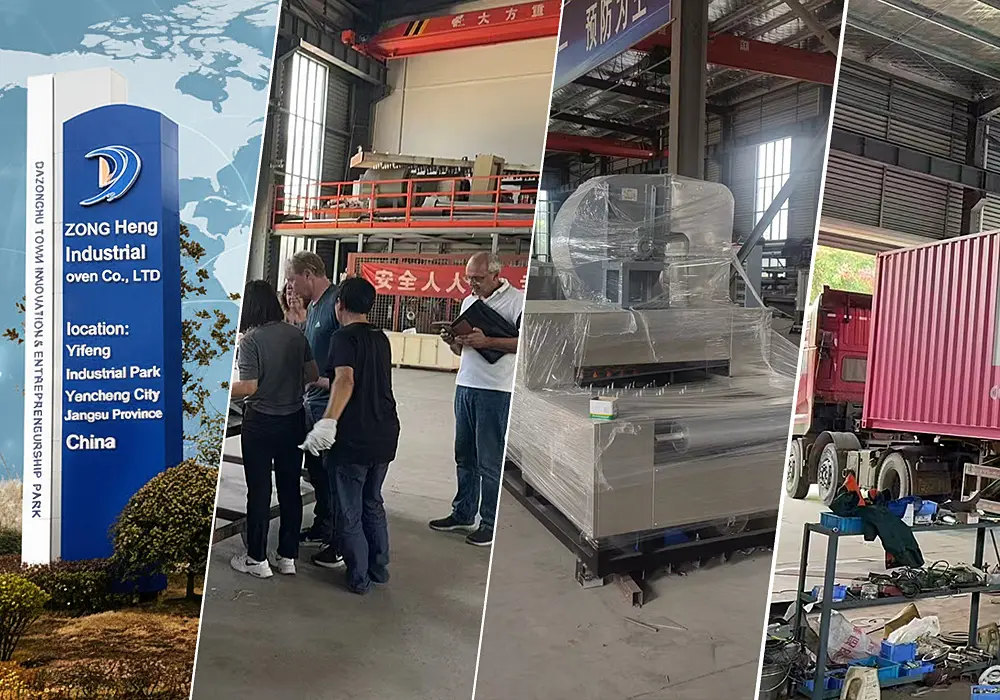
Test Your Process on Available Equipment
Frequently Asked Questions
Frequently Asked Questions About Aluminum Heat Treatment
What is aluminum heat treatment in industrial production?
Aluminum heat treatment refers to controlled heating cycles used to change or stabilize material properties in aluminum parts. Depending on the alloy and production target, this may include solution treatment, artificial aging, annealing, or stress relieving.
What oven is typically used for aluminum aging?
Artificial aging is commonly processed in an aging oven or another forced-convection oven with stable temperature control, good airflow distribution, and repeatable soak performance across the load.
Does solution treatment require a different oven from aging?
In many cases, yes. Solution treatment usually involves higher operating temperature and stronger requirements around heating performance, load handling, and transfer planning. Aging focuses more on stable soak control and repeatable batch consistency.
Why is temperature uniformity important for aluminum heat treatment?
Poor temperature uniformity can affect metallurgical response, temper consistency, part quality, and lot-to-lot repeatability. Uniform airflow and stable control are important for both light and heavy aluminum loads.
Can ZonHoo help define chamber size and loading direction?
Yes. Chamber size, usable work zone, cart access, door opening style, rack design, and airflow direction should all be matched to the actual aluminum parts and the production method.
What information should be prepared before requesting a quotation?
It helps to prepare part dimensions, alloy type, target process temperature, soak time, batch size, load weight, handling method, and whether the process is batch or continuous. Photos or drawings of parts and fixtures are also useful.
Tell Us About Your Aluminum Heat Treatment Process
Tell us your part type, alloy series, target temper or process purpose, batch size, and loading method. We will help you review a suitable oven direction, loading concept, and control options for your aluminum heat treatment application.
What to Prepare
- Part type and typical dimensions
- Alloy series or material grade
- Process purpose, such as aging, solution treatment, or stress relieving
- Target working temperature and soak time
- Batch quantity or throughput target
- Loading method, rack, basket, or cart details
What We Can Discuss
- Recommended oven direction and heating approach
- Chamber size, loading method, and airflow concept
- Cart, trolley, rack, or basket arrangement
- Control options, data logging, and alarm scope
- Layout, utility requirements, and production-line fit