

Industrial Ovens for Adhesive Curing
Achieve repeatable bond strength and stable cure quality with controlled temperature, airflow, dwell time, and process-focused oven design for adhesive curing applications.
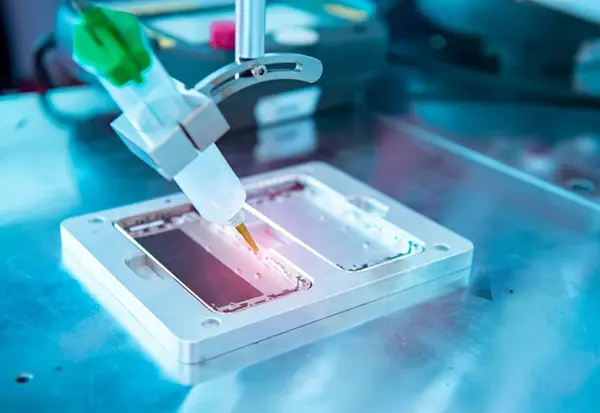
Why This Process Matters
Why Adhesive Curing Requires Controlled Thermal Processing
Adhesive curing is not just about heating parts. It is a controlled thermal step that directly affects bond strength, cure consistency, throughput, and final assembly quality in production.
Temperature Consistency
Maintain stable curing conditions across trays, shelves, carts, or fixtures to support repeatable bond strength and consistent product quality.
Airflow Design
Match airflow volume and direction to part geometry, adhesive placement, and product density so heat reaches all bonded areas more evenly.
Cure Time Control
Control heat-up, soak, and dwell time to reduce process variation and keep curing cycles stable from batch to batch.
Exhaust and Safety Considerations
Address ventilation and process-specific safety requirements when adhesive systems or production conditions call for controlled exhaust management.
Typical Applications
Where Adhesive Curing Is Commonly Used
Adhesive curing is used across many industrial processes where bond quality, cure consistency, and controlled production flow are critical.
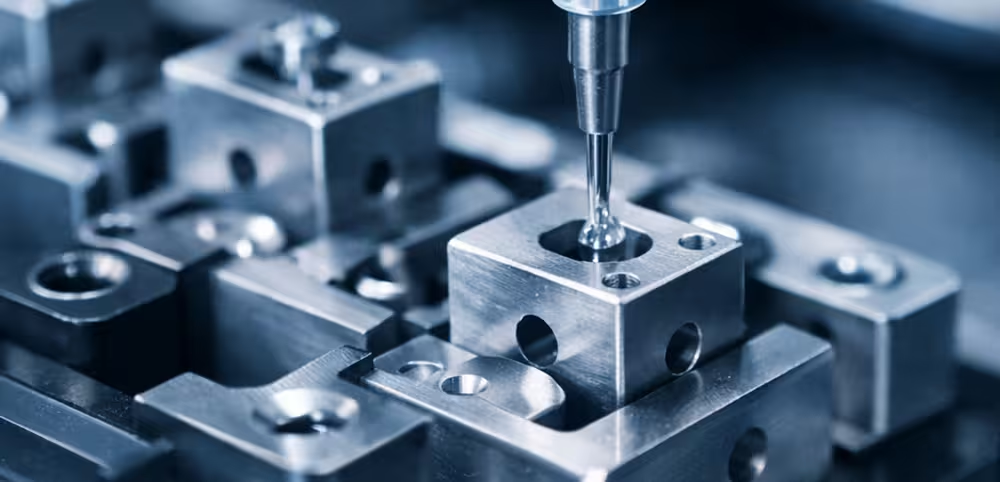
Typical Use
Bonded Metal Assemblies
Used for brackets, housings, covers, and structural metal components that require repeatable thermal curing after adhesive application.
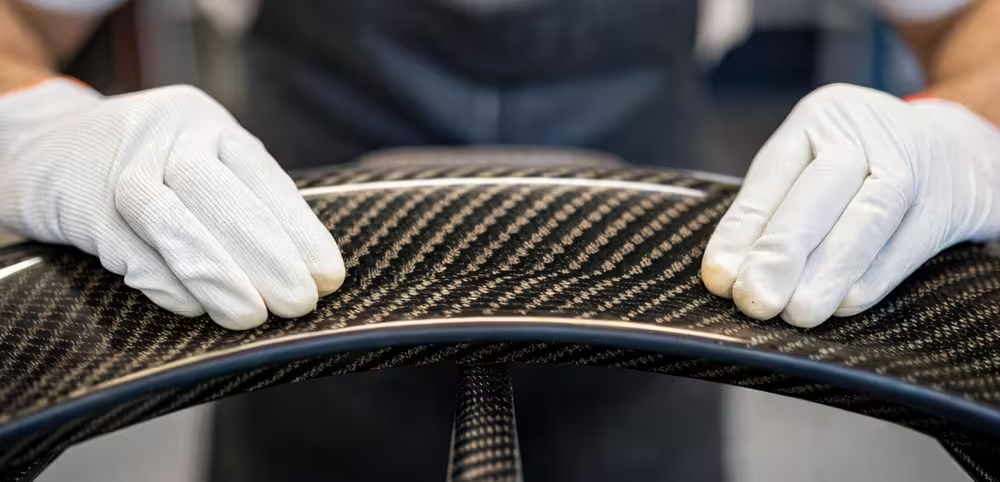
Typical Use
Composite Component Bonding
Suitable for bonded composite parts where controlled temperature exposure supports stable curing results and part quality.
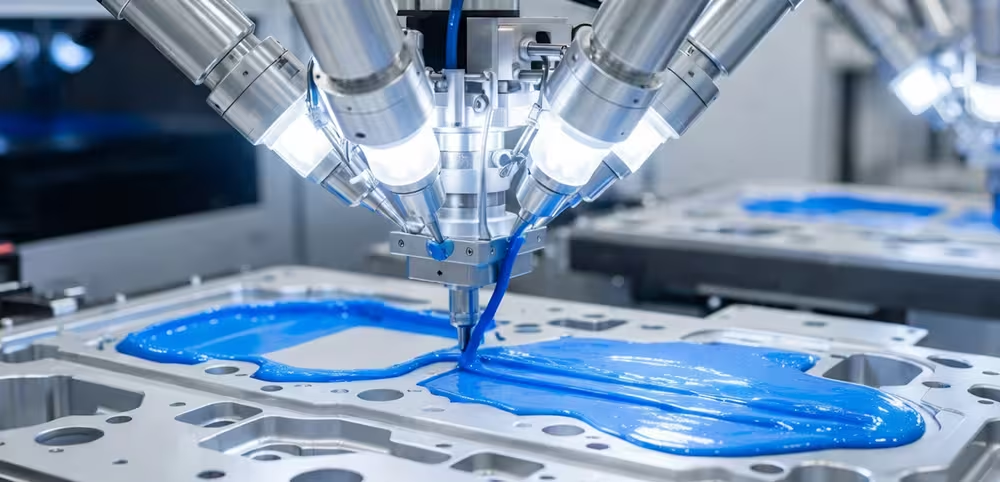
Typical Use
Automotive Adhesive Curing
Applied to bonded automotive subassemblies, trims, housings, and metal components that need consistent cycle control in production.
Typical Use
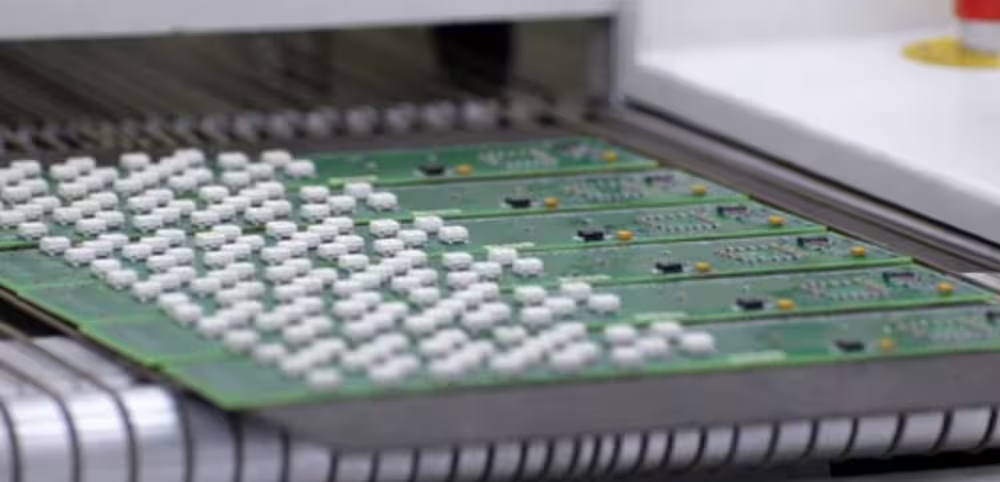
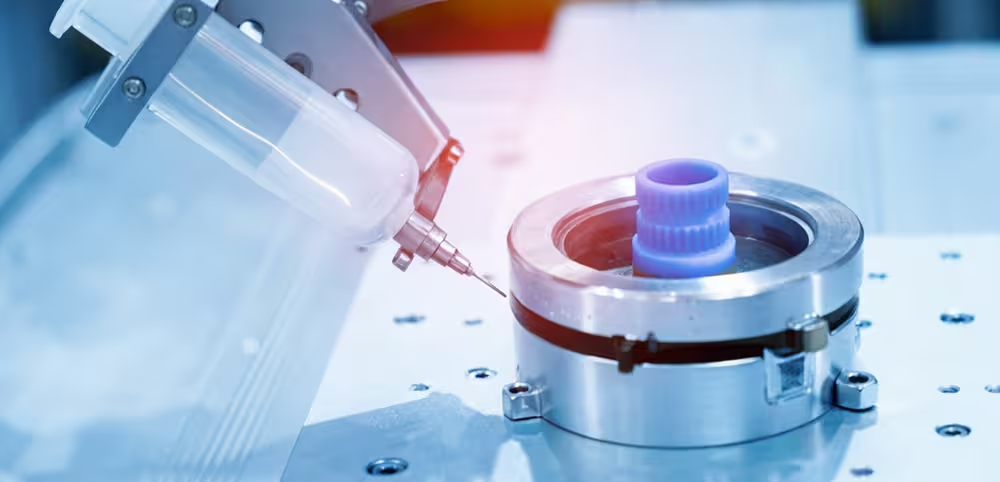
Electronics Potting and Adhesive Curing
Useful for electronics-related parts where process repeatability, controlled heating, and documentation support are important.
Typical Use
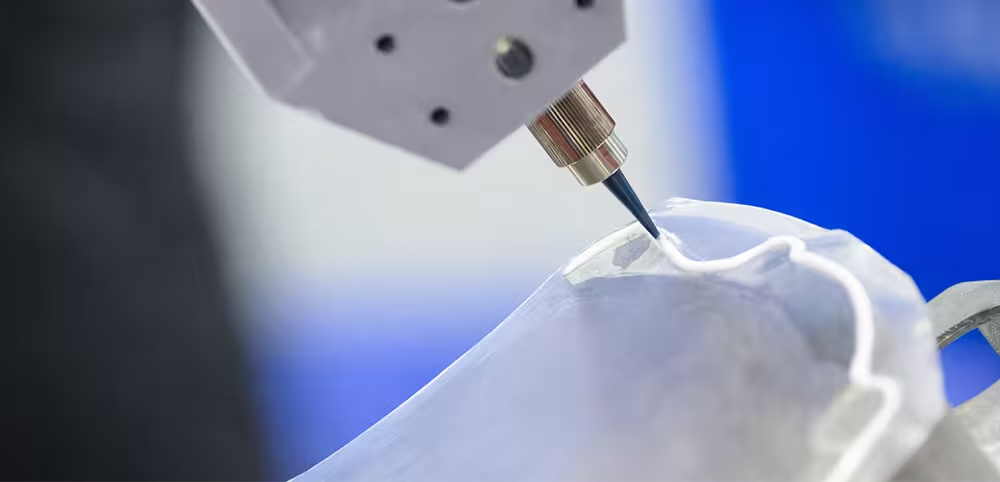
Seal, Gasket, and Filter Bonding
Supports adhesive curing processes for industrial sealing components and bonded assemblies that require steady production quality.
Typical Use
Multi-Part Assemblies on Trays or Fixtures
Suitable for loaded trays, racks, or fixtures where different part shapes and loading density influence heat transfer behavior.
Selection Guidance
How to Match the Right Oven Direction to Adhesive Curing
Different adhesive curing processes call for different oven configurations. The right direction depends on part size, loading method, throughput, and process control requirements.
| Process Need | Typical Requirement | Recommended Oven Direction |
|---|---|---|
| Ventilation-sensitive adhesive systems | Controlled exhaust strategy, safety review, process-specific design | Custom Curing Oven |
| Temperature-sensitive substrates | Gentle airflow, controlled heat-up profile, reduced thermal stress | Custom Batch Oven |
| Large bonded assemblies | Larger chamber, cart loading, easier handling of oversized parts | Walk-In / Truck-In Oven |
| Inline production | Repeatable takt time and consistent dwell conditions | Conveyor Oven |
| Small precision parts | Tight repeatability, compact loading, stable cycle control | Batch Oven |
Equipment Entry
Recommended Oven Solutions
These oven directions are commonly used for adhesive curing applications where process stability, repeatability, and production fit are important.
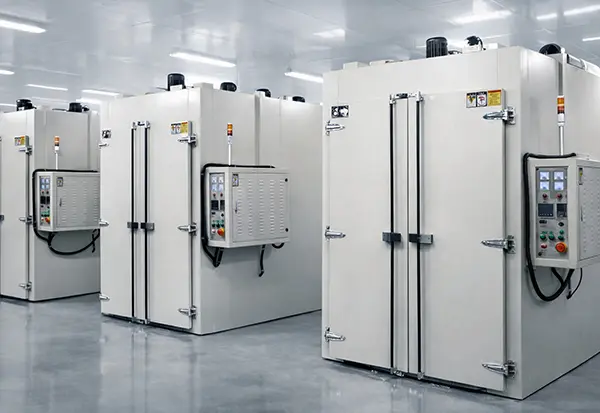
Suitable for small to medium adhesive curing loads where flexibility, repeatability, and easier batch changeover are important.
Best for:Small precision parts, varied batches, tray loading, and controlled shelf processing
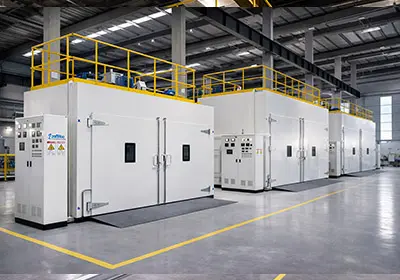
Designed for larger bonded assemblies, heavier fixtures, and curing setups that require easier access and larger usable chamber space.
Best for:Large assemblies, carts, fixtures, and oversized bonded products
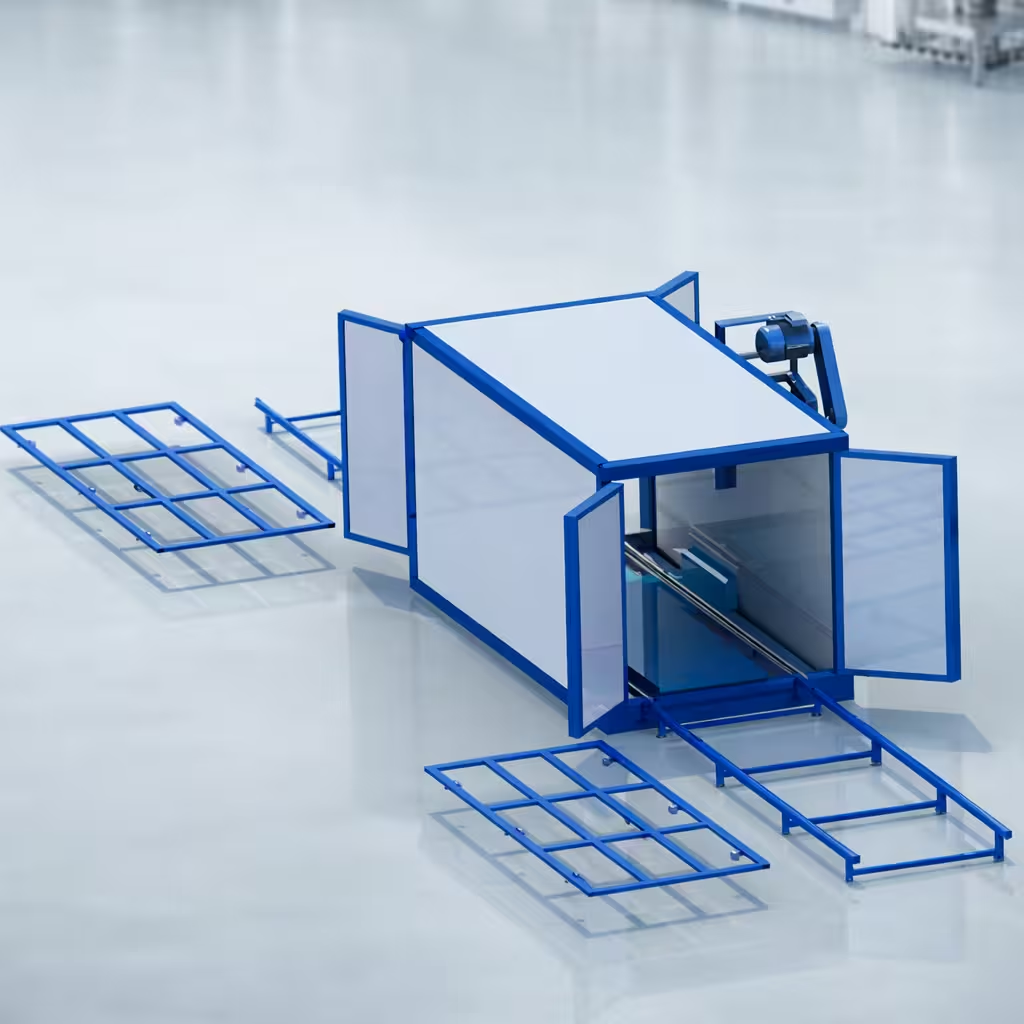
Recommended when part geometry, adhesive behavior, exhaust requirements, or control needs call for a more tailored solution.
Best for:Process-specific requirements, custom airflow, exhaust-sensitive systems, and engineered curing layouts
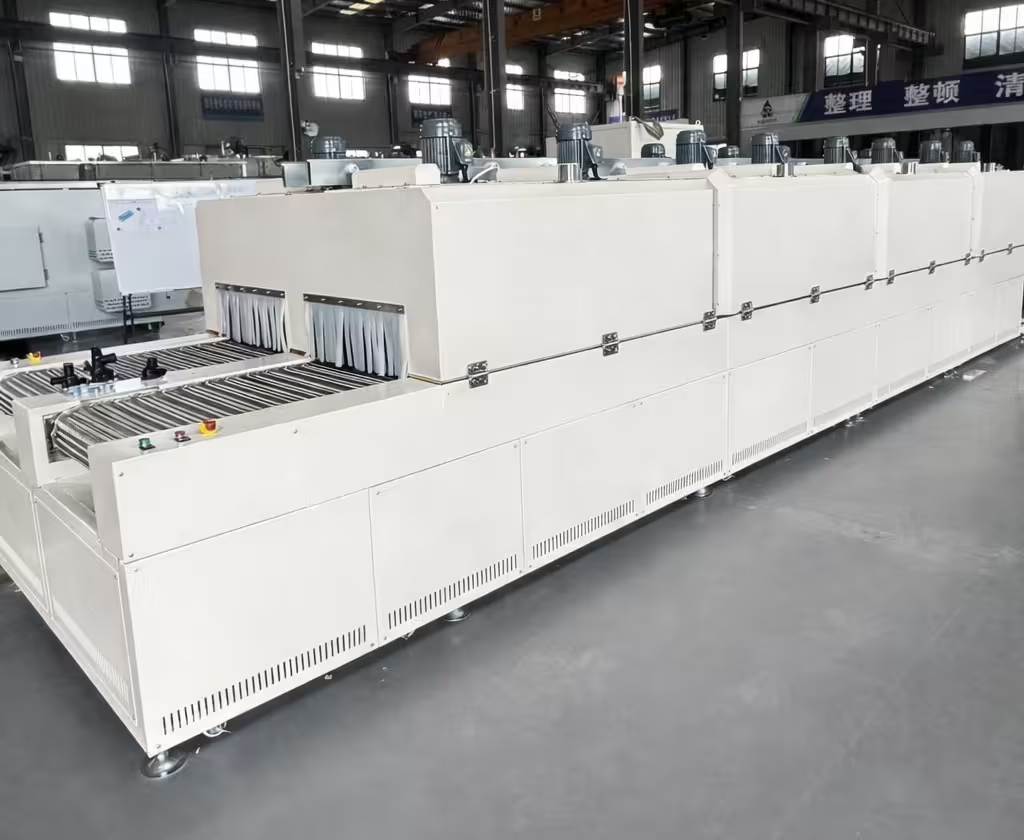
Built for inline adhesive curing applications that depend on stable dwell time and repeatable production flow.
Best for:Continuous lines, takt-based production, and repeatable inline throughput.
Support Before RFQ
Process Validation and Engineering Support
If your process still needs verification, ZonHoo can support testing on available equipment before final equipment selection. This helps reduce uncertainty in process definition, equipment direction, and RFQ planning.
- Process feasibility testing
- Airflow and loading evaluation
- Basic temperature response review
- RFQ preparation support
- Preliminary cycle confirmation
- Equipment direction recommendation
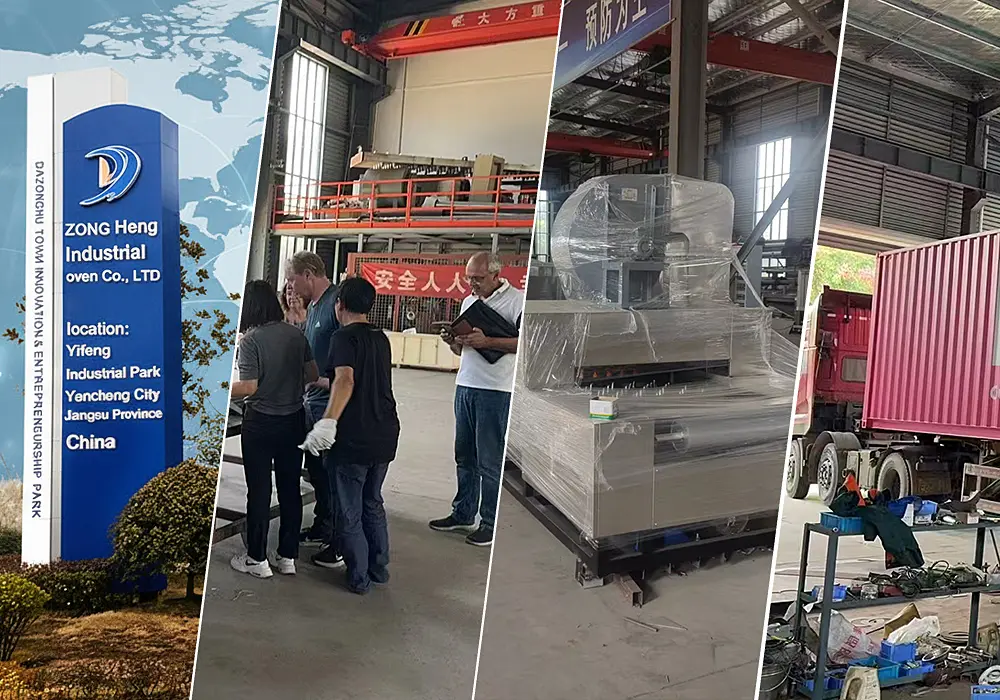
Test Your Process on Available Equipment
ZonHoo can support process testing on available equipment before final equipment selection, helping you review feasibility, reduce uncertainty, and move forward with a clearer RFQ direction.
Frequently Asked Questions
Frequently Asked Questions About Adhesive Curing
What factors affect curing consistency in adhesive curing ovens?
Temperature uniformity, airflow pattern, load density, part geometry, cure time, and control stability all affect final curing consistency and bond quality.
How do I choose between a batch oven and a conveyor oven for adhesive curing?
Batch ovens fit flexible production and varied loads, while conveyor ovens are more suitable for inline manufacturing that requires repeatable takt time and stable dwell conditions.
Can ZonHoo customize airflow for sensitive adhesive curing processes?
Yes. Airflow direction, circulation intensity, and chamber arrangement can be adjusted according to part geometry, adhesive placement, and production requirements.
Can large bonded assemblies be handled in adhesive curing applications?
Yes. Walk-in or truck-in configurations are commonly used when bonded assemblies are larger, heavier, or require cart-based handling.
Do you provide controls and data logging for repeatable adhesive curing cycles?
Yes. PLC/HMI controls, recipe storage, alarms, and data logging options can be configured according to the needs of your adhesive curing process.
Tell Us About Your Adhesive Curing Process
Share your part type, adhesive system, curing temperature, cycle time, and output target. Our engineering team will review your process and recommend a suitable oven direction.
What to Prepare
Part or assembly type, adhesive system, curing temperature, cycle time, throughput, loading method, and any exhaust or control requirements.
What We Can Discuss
Oven direction, chamber sizing, airflow concept, controls, exhaust arrangement, documentation, and RFQ-ready configuration details.