


PASS-THROUGH OVEN
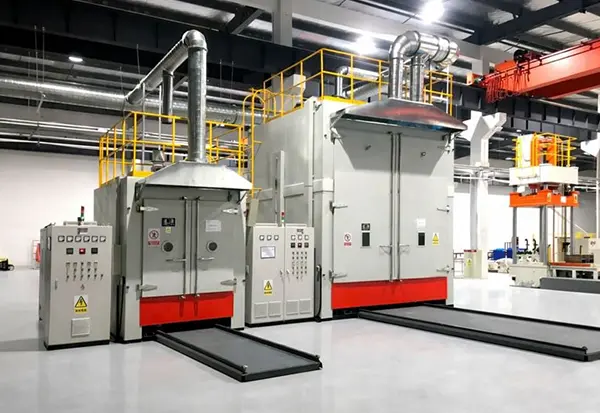
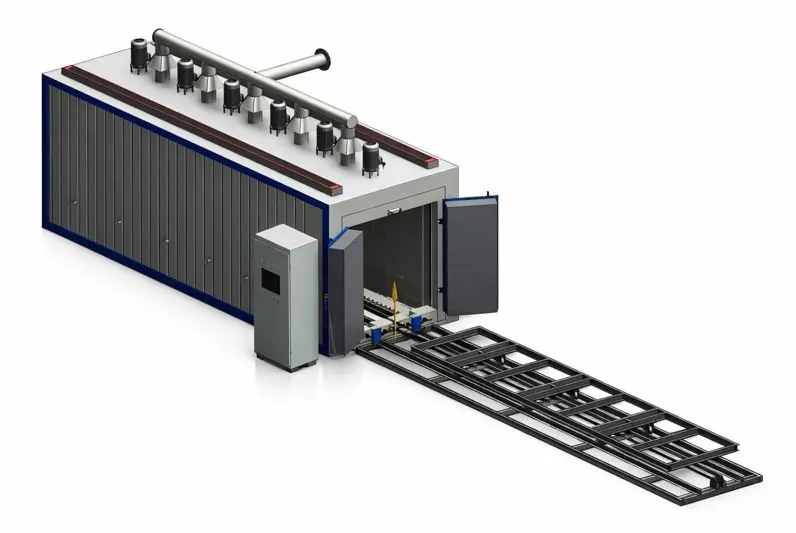
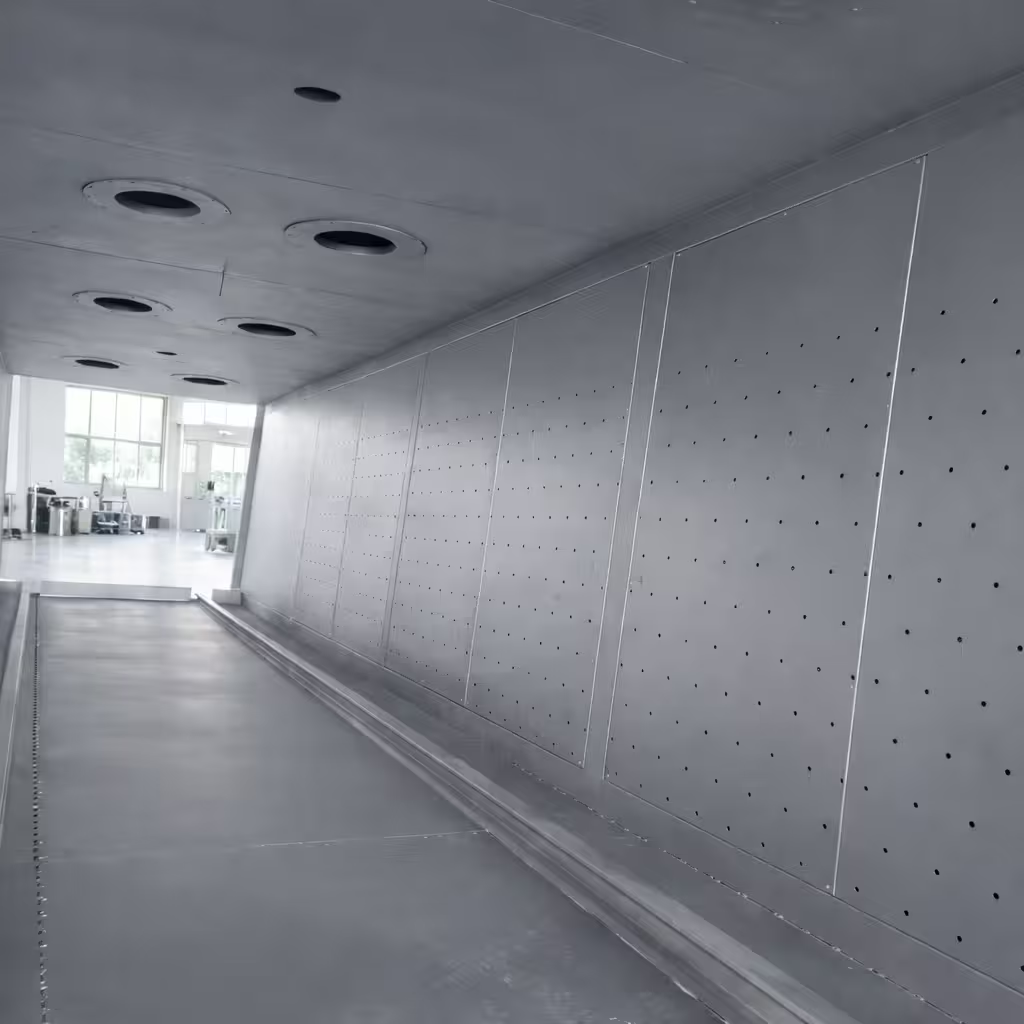
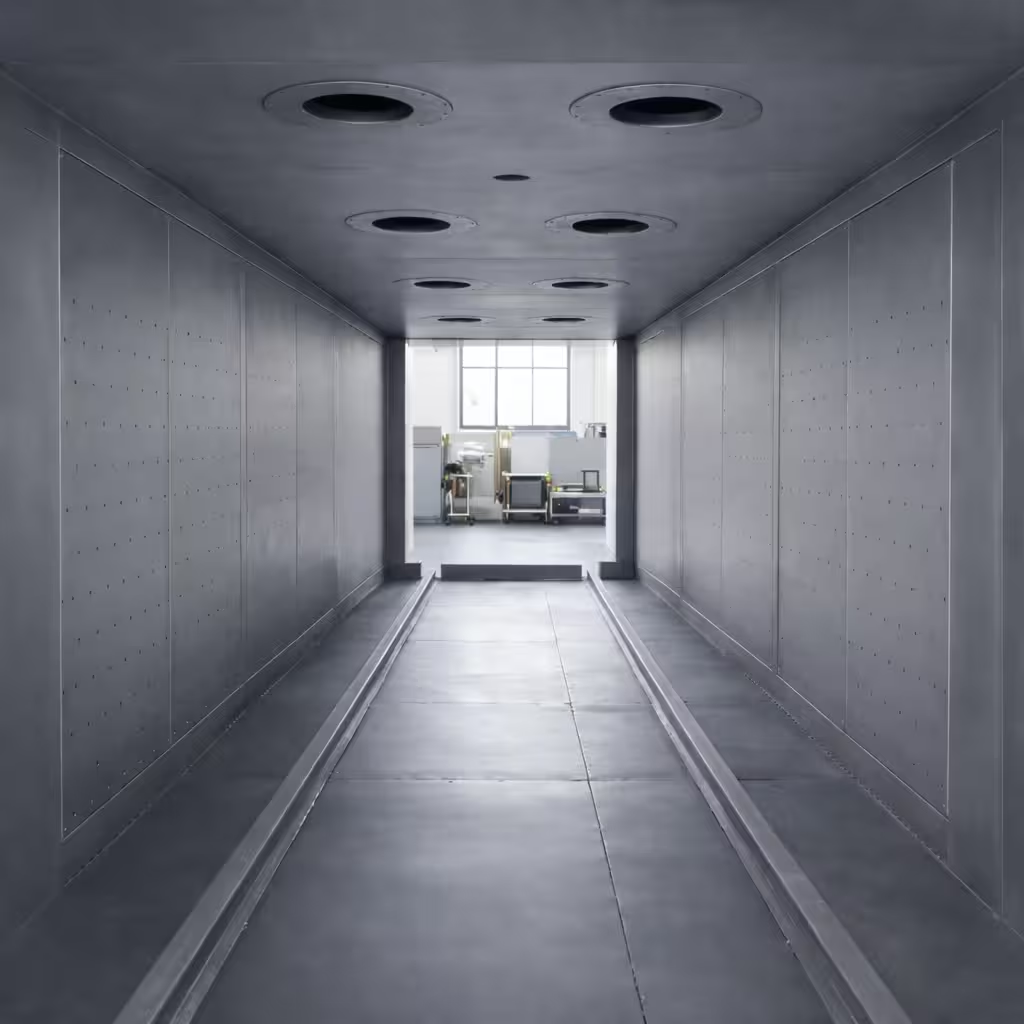
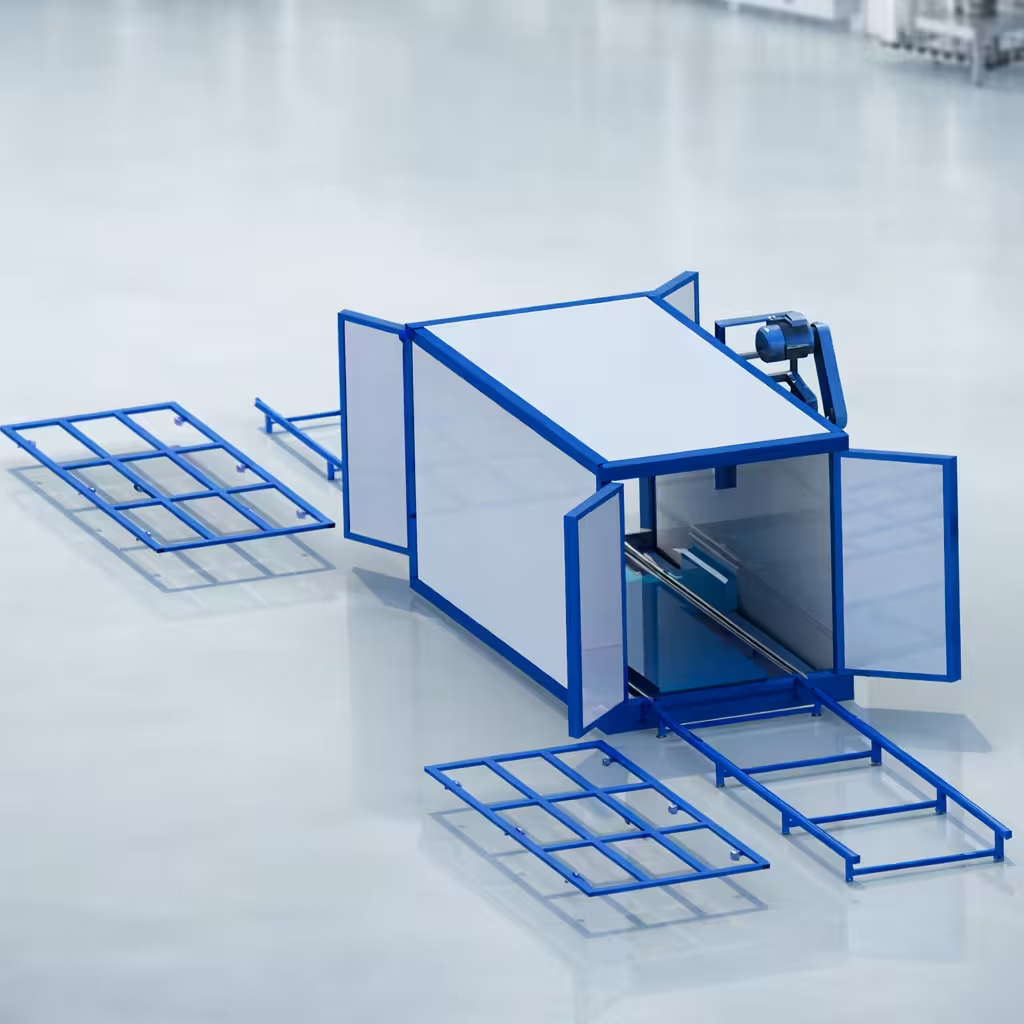
ZonHoo pass-through oven systems are engineered for one-direction material flow and zone separation using a double-door (two-door) batch chamber. By loading from the infeed side and unloading from the outfeed side, a pass-through layout reduces backtracking, minimizes handling steps, and helps prevent mix-ups—especially when your workflow requires a clear “in/out” discipline rather than a general-purpose single-door chamber.
We configure pass-through ovens to match your handling method (trays, racks, carts, roller decks, rails, AGV docking) and your takt-time reality (door opening frequency, recovery needs, staging constraints). As a manufacturer supporting OEM/ODM, we start with an engineering review and deliver an RFQ-ready scope—layout, openings, interlock logic, controls, and documentation—so your approval and line integration are smoother with lead-time clarity.
What Makes an Oven “Pass-through”
A pass-through oven is defined by controlled transfer and separation—not simply “two doors.” The pass-through requirement usually comes from one or more of these realities:
- Infeed/outfeed doors are on opposite sides to enforce one-direction material flow
- Double-door interlock is required to prevent simultaneous door opening (optional, SOP-defined)
- Zone separation is needed (clean-to-dirty / area-to-area transfer) with a clear “in” and “out”
- Through-wall pass-through installation is preferred for workflow discipline and area control (optional)
- Transfer interfaces must match real handling: roller deck, rail guidance, cart docking, or AGV alignment
- Door-opening recovery becomes a throughput factor, so stability planning must be built into the design
Why Choose a Pass-through Oven
A pass-through oven is the right choice when workflow control and separation define throughput more than “just chamber size.” A pass-through layout helps you keep batches organized and moving forward—so you reduce mistakes and improve daily repeatability.
Key advantages (why buyers choose it):
- One-direction flow discipline: reduces backtracking, handling steps, and confusion across shifts
- Zone separation readiness: supports area-to-area transfer with clearer process boundaries
- Interlocked access control (optional): helps prevent cross-contamination and two-door misuse
- Handling efficiency: transfer interfaces reduce manual effort and stabilize takt-time performance
- Better batch control: recipe management, cycle status outputs, and optional records for traceability
- RFQ-ready execution: engineering review, documentation scope, FAT/SAT support, lead-time clarity
- Safety scope that matches your site: alarms, door status logic, and optional warning indicators
This focus on workflow is what differentiates a large industrial truck-in oven from a generic truck-in concept.
Typical Applications
- Electronics & electrical — staged drying/baking where controlled transfer and reduced re-handling protect consistency
- Coating & finishing — cure/dry steps where an “in/out” workflow reduces surface contact and mix-ups
- Adhesives & bonding — preheat or cure processes that benefit from one-direction movement into an assembly cell
- Area-to-area transfer workflows — operations needing clear separation and disciplined batch movement
- General industrial production — any batch process where workflow errors and backtracking are throughput killers
Typical Applications
- Powder coating & finishing — oversized racks and heavy carts requiring drive-in loading and stable cycle output
- Automotive & metal fabrication — large weldments, frames, and fixtures moved on carts/rails for repeatable processing
- Composites manufacturing — large molds and parts where handling stability and access opening size are critical
- Electronics & electrical — large enclosures and production tooling requiring consistent rack placement and safe loading
- General industrial production — large SKUs where handling time and recovery define throughput more than setpoint
Options & Customization
- Pass-through opening size (infeed/outfeed) and chamber dimensions (project-defined)
- Door type: swing / lift / sliding (application-driven)
- Interlock modes (optional): two-door lockout, key access, permissions, alarms, status beacons
- Transfer hardware: roller deck, rail guidance, cart docking, indexing stops, AGV alignment features
- Through-wall pass-through integration package (optional): interface and sealing strategy planning
- Controls: recipes, alarms, data logging, batch records/reporting (optional)
- Integration I/O: ready/busy/fault signals and coordination with upstream/downstream stations (optional)
- Documentation scope: drawings, manuals, acceptance checks, FAT/SAT support (project-defined)
Related Solutions & Guides
- One-direction material flow (infeed/outfeed)
- Double-door pass-through chamber
- Door interlock & access control (opt.)
- Through-wall pass-through layout (opt.)
- Transfer interfaces: roller deck / rail / cart docking (opt.)
- Recovery-focused design for frequent openings
- Batch recipe control & data logging (opt.)
- I/O integration for line coordination (opt.)
Let’s talk about how we can support your thermal processing goals. Contact our team to explore the right solution for your needs.