


HEAVY-DUTY OVEN
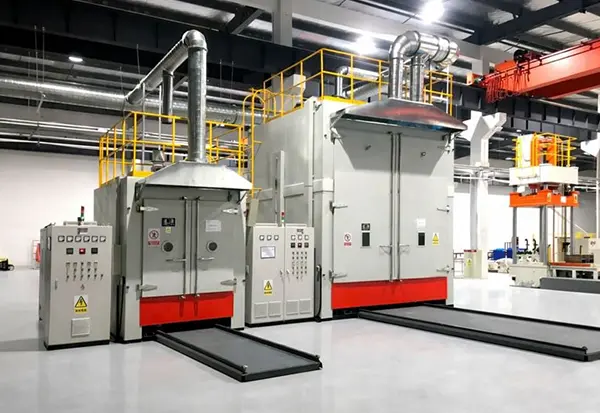
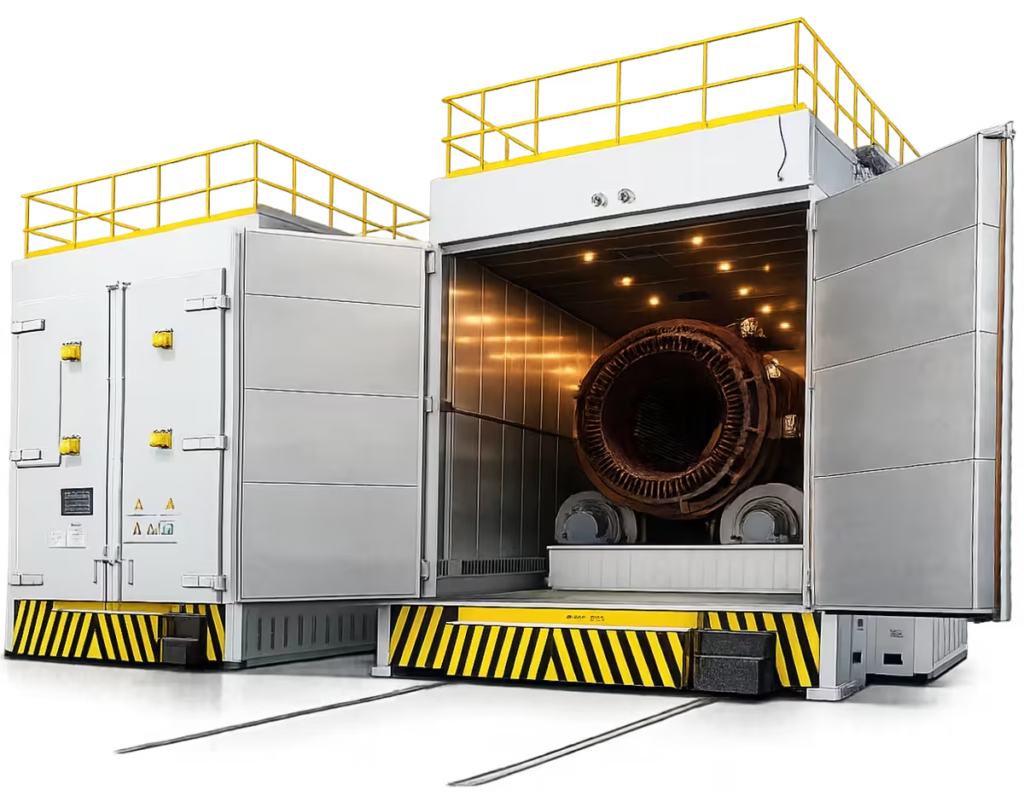
ZonHoo heavy-duty oven systems are engineered for high load capacity and repeatable daily operation when payload weight—not chamber size—defines your risk and throughput. Heavy loads amplify every weak point: floor deflection, rail misalignment, wheel/bearing fatigue, threshold damage, and unsafe handling. A true heavy-duty design treats the oven as a payload-rated load-handling system with reinforced structure, a reinforced floor, guided movement, and safety logic—so you can move, heat, and unload heavy fixtures with confidence.
This page focuses on load rating, structural reinforcement, and heavy-load workflow stability—the core reasons buyers search “heavy-duty oven.” We tailor the chamber, access opening, floor/rail system, carts, and controls to your payload geometry and handling method, then deliver an RFQ-ready scope with documentation, FAT/SAT support, and lead-time clarity as an OEM/ODM manufacturer.
What Makes an Oven “Heavy-Duty”
A heavy-duty oven is defined by payload rating and handling durability—not simply thicker steel. The “heavy-duty” requirement usually comes from one or more of these realities:
- Payload weight is high enough that reinforced floor structure becomes a design driver
- Carts/trolleys/fixtures require load-rated wheels, bearings, and guidance for repeatable movement
- Entry thresholds must withstand repeated impacts and prevent wheel hang-ups
- Rail/track guidance and docking stops are needed to reduce drift and operator variability
- Thermal expansion under load must be managed to protect alignment over time
- Safety scope must match heavy handling: door status, alarms, and interlocks (opt.)
This is why a heavy-duty oven must be engineered as a high-load system—not a standard oven scaled up.
High-Load Loading Workflow
Heavy-duty projects succeed or fail based on how the load moves:
- Load definition: payload weight, footprint, center-of-gravity, and fixture stiffness (project-defined)
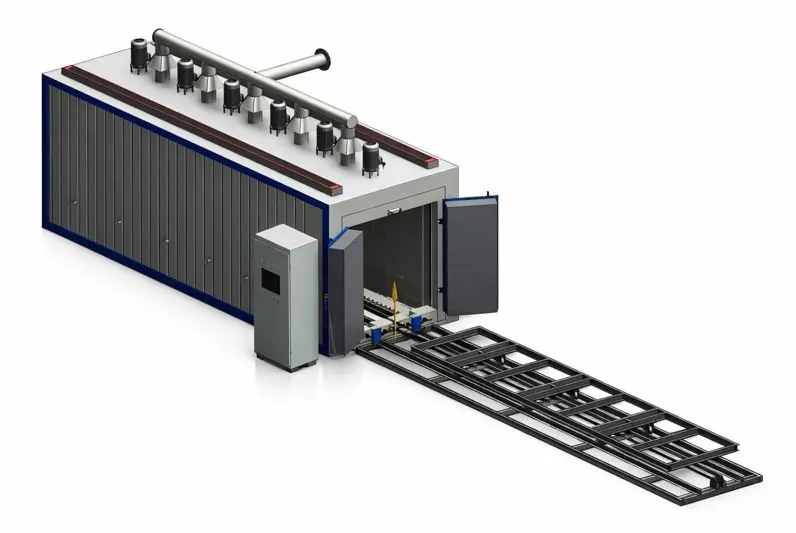
- Movement stability: rail/track guidance, docking stops, and alignment features for repeatable positioning
- Entry strategy: threshold design and approach clearance to reduce hang-ups and impacts
- Cycle stability: structure + floor design that stays stable through heat cycles and daily loading events
- Unloading discipline: controlled release and optional alarms/interlocks aligned with site practice
This workflow focus differentiates a payload-rated heavy-duty oven from a generic batch oven.
Why Choose a Heavy-Duty Oven
A heavy-duty oven is the right choice when your throughput depends on moving and heating heavy loads safely and repeatedly—not simply increasing chamber volume. A load-rated design helps avoid hidden costs: bent rails, damaged thresholds, premature bearing wear, and handling incidents.
Key advantages (why buyers choose it):
- High load capacity (load-rating-first): engineered around real payload weight and distribution
- Stable loading/unloading: guidance and docking features reduce drift and daily variability
- Lower downtime risk: durability-focused design reduces wear points and maintenance surprises
- Safer handling: optional door status logic, alarms, and interlocks matched to heavy-load workflow
- Repeatable positioning: rail/track alignment improves batch consistency for heavy fixtures
- RFQ-ready execution: engineering review, documentation scope, FAT/SAT support, lead-time clarity
- Long-term serviceability: spare parts guidance and preventive maintenance routines

Typical Applications
- Metalworking & fabrication — heavy fixtures and assemblies where handling stability defines uptime
- Foundry & cast components — high-mass parts requiring durable daily loading cycles
- Composites manufacturing — heavy molds/tooling needing repeatable cart/rail positioning
- Automotive & EV components — high-mass racks/fixtures where safe transfer is critical
- General industrial production — any batch process where payload weight and durability drive ROI
Engineering Highlights
High-load performance comes from details customers feel every day:
- Reinforced floor & structural frame: payload-rated design to reduce deflection and protect alignment
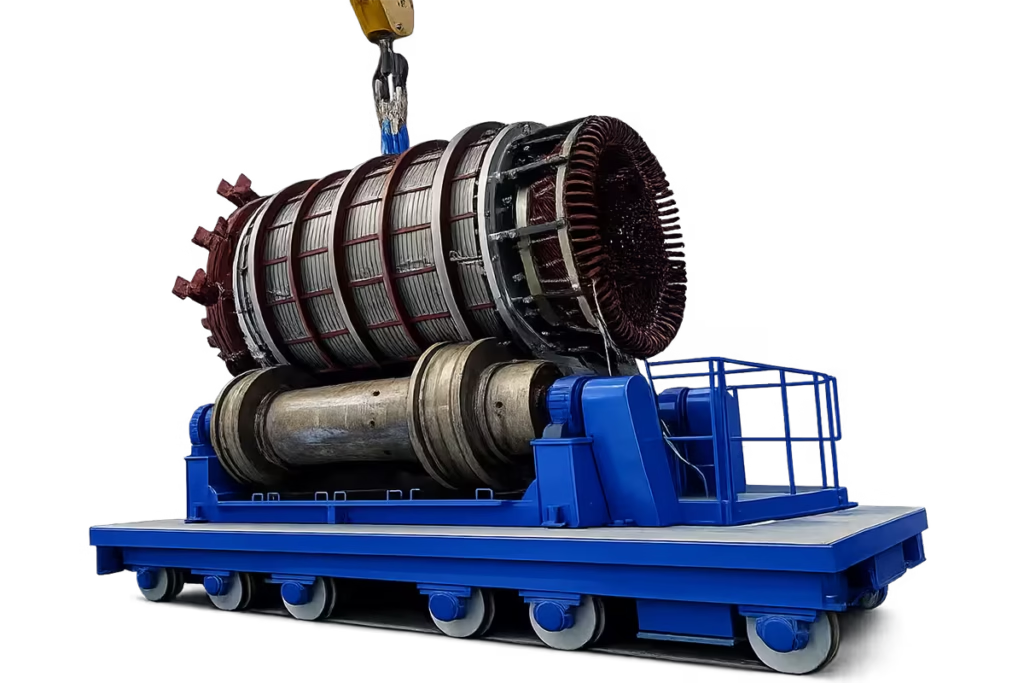
- Rail/track guidance (opt.): keeps heavy carts aligned and reduces drift during daily operation
- Wheel & bearing system: selected based on payload, cycle frequency, and movement path
- Threshold/entry durability: geometry built to reduce hang-ups and repeated impact damage
- Docking and stops: repeatable positioning to reduce operator variance and improve safety
- Safety scope (opt.): door status, alarms, interlocks, and workflow-ready safeguards
These mechanical details are central to a heavy cart large truck-in oven concept.
Options & Customization
- Payload capacity targets & load distribution assumptions (project-defined)
- Reinforced floor structure and heavy-load frame design (project-defined)
- rail/track guidance, alignment stops, and docking features (opt.)
- heavy-load cart/trolley design: wheel/bearing selection, pull points, safety locks (opt.)
- access configurations for heavy handling: door geometry, multi-leaf doors, powered doors (opt.)
- controls: recipes, alarms, data logging, batch records/reporting (opt.)
- I/O integration: ready/busy/fault signals for production coordination (opt.)
- documentation scope: drawings, manuals, acceptance checks, FAT/SAT support (project-defined)
Related Solutions & Guides
- High load capacity (payload-rated) design
- Reinforced floor & structural frame
- Heavy cart/trolley loading (opt.)
- Rail/track guidance & docking stops (opt.)
- Threshold/entry durability design
- Durability-focused wear-point design
- Safety interlocks & alarms (opt.)
- I/O integration for line coordination (opt.)
Let’s talk about how we can support your thermal processing goals. Contact our team to explore the right solution for your needs.