


Infrared Radiation Curing Oven
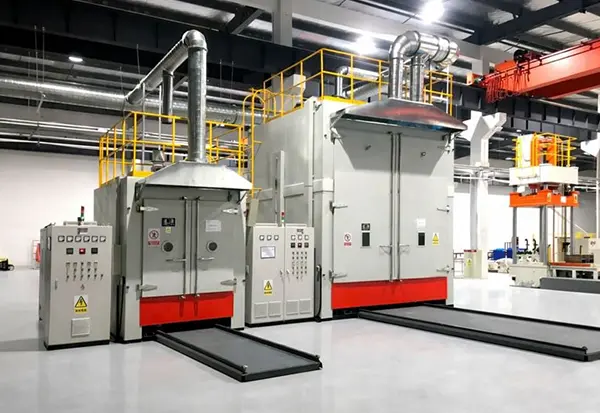
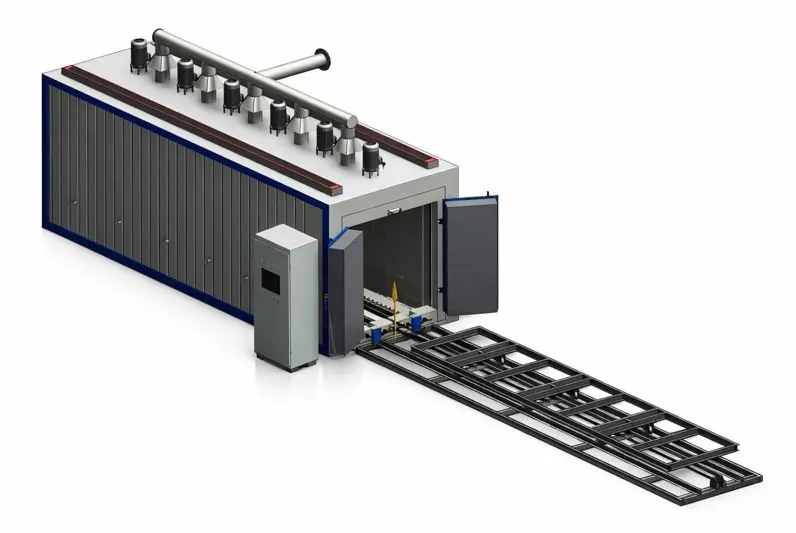
ZonHoo infrared radiation curing oven systems use adjustable infrared wavelengths to deliver fast, efficient curing for surface coatings. These ovens provide rapid ramp-up times, high energy efficiency, and temperature control that ensures consistent curing results for thin coatings and fast batch transitions.
As a manufacturer supporting OEM/ODM projects, we begin with an engineering review so your team gets a procurement-ready specification, compliance-aligned scope, and predictable lead time.
What an Infrared Radiation Curing Oven Is
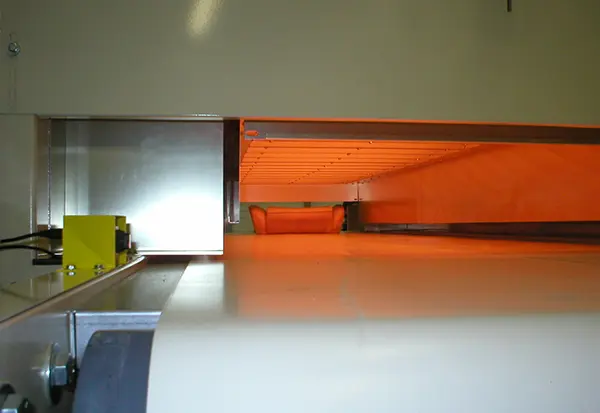
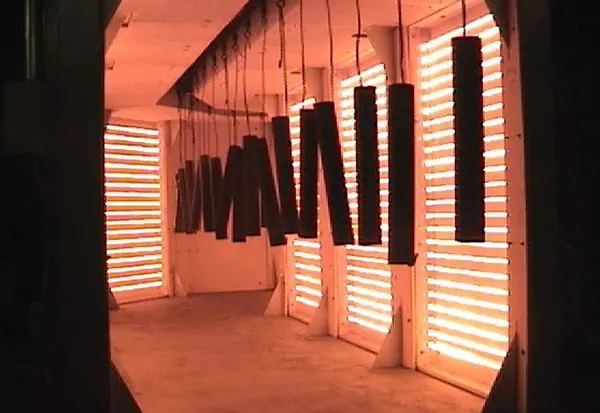
An infrared radiation curing oven uses infrared energy to directly heat the surface of parts and coatings. This technology provides faster heating times compared to traditional convection heating, making it ideal for thin coatings and applications requiring quick curing. Infrared curing ovens are highly efficient and energy-saving because they do not rely on heating the surrounding air but instead directly target the material’s surface.
Infrared Technology Overview
Infrared radiation curing relies on infrared energy to directly heat the surface of parts, causing the coating to cure quickly. The process works by emitting infrared wavelengths that are absorbed by the material, leading to rapid temperature rise.
The wavelength can be adjusted based on the type of coating being cured, ensuring optimal energy transfer. Unlike conventional curing methods, infrared curing does not require heating the entire oven chamber, which increases energy efficiency and decreases overall cure time.
Key Benefits of Infrared Radiation Curing Ovens
Infrared radiation curing ovens offer several key advantages for manufacturers:
- Speed: Rapid curing of coatings, reducing production time.
- Energy efficiency: Infrared heat transfers directly to the material, reducing heat loss and saving energy.
- Cost-effective: Fast curing times and energy savings improve the overall efficiency of the production process.
- Precise control: Adjustable infrared wavelength allows customization for different materials and curing needs.
- Scalability: Available in multiple sizes and configurations, from batch systems to continuous lines.

Typical Applications
Infrared radiation curing ovens are commonly used in industries that require fast and energy-efficient surface curing. Here are some common applications:
- Automotive industry: Curing automotive paints and clear coatings quickly and efficiently.
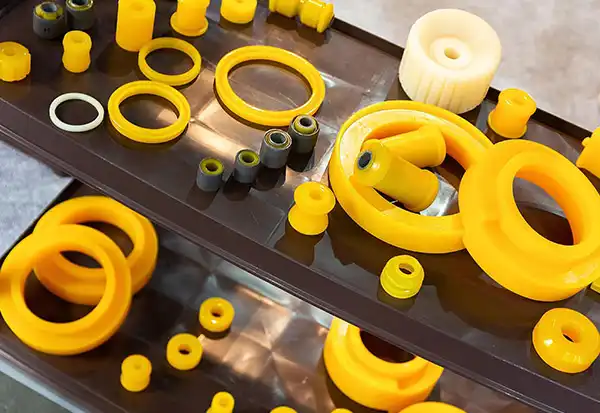
- Electronics potting and encapsulation: Curing coatings for electronics, reducing production cycle time.
- Plastic coatings: Curing thin coatings on plastic parts or components.
- Textile coatings: Fast curing for printed or coated textiles, particularly for industrial fabrics.
- Furniture coatings: Fast curing of thin coatings and finishes for wood, metal, or glass surfaces.
- General industrial manufacturing: Curing for various parts requiring quick heat-up and cooling, where surface curing is critical.
Standard Features
- Industrial construction for repeatable powder curing cycles
- Engineered airflow distribution aligned to your load layout (by configuration)
- Programmable control for recipes, alarms, and stable setpoint operation
- Service-friendly access for common wear items (project-defined)
- Documentation scope for approvals: drawings, manuals, acceptance checks (by project)
- Direct manufacturer support for OEM/ODM projects with engineering review
RFQ Checklist
To accurately quote a custom infrared radiation curing oven, we need the following details:
- Coating specifications: Material type, thickness, curing time, and temperature profile.
- Part size and batch quantity: Dimensions of parts to be cured and typical batch size.
- Curing chamber size: The required curing chamber dimensions based on load size.
- Infrared wavelength preferences: Shortwave, mediumwave, or longwave depending on the material.
- Production throughput: Desired cycle time or line speed for batch processing.
- Load handling: Whether the oven will use racks, conveyors, or manual handling.
- Energy efficiency: Heat loss tolerances and expected energy consumption.
- Integration requirements: I/O signals, alarms, and safety features such as interlocks.
- Documentation needs: Drawings, manuals, and specifications for project compliance.
- Cure profile control (process-defined)
- Engineered airflow distribution (mixed-part racks)
- Batch or conveyorized line configurations
- Rack / hanger loading compatibility
- Recipe-based ramp/hold control (optional)
- Data logging & cure records (optional)
- Throughput sizing for takt time / line speed
- Integration-ready I/O & safety interlocks (as configured)
Let’s talk about how we can support your thermal processing goals. Contact our team to explore the right solution for your needs.