


Annealing Oven
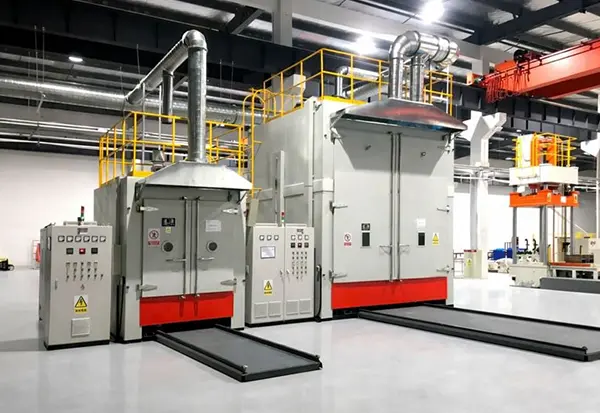
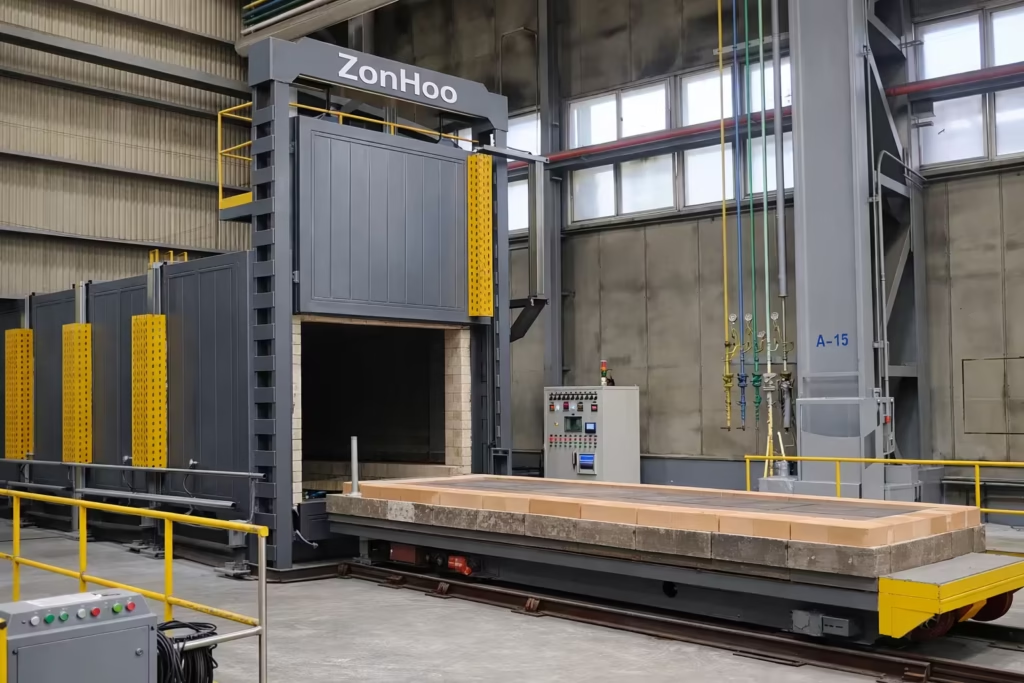
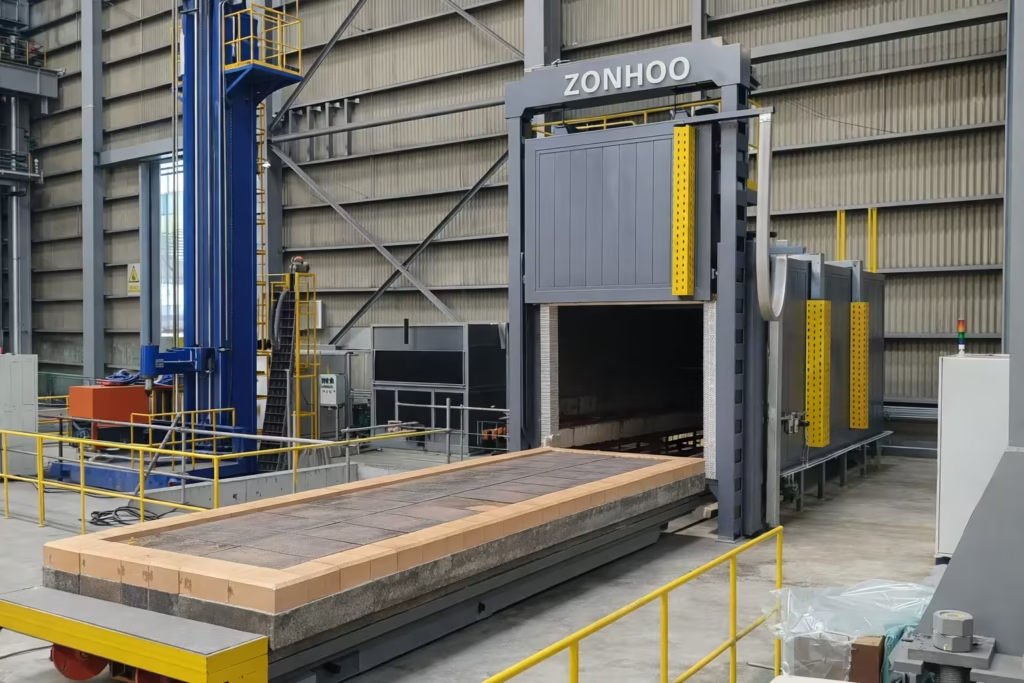
ZonHoo annealing ovens are engineered to provide uniform heat treatment for material softening, stress relief, and microstructure adjustment in metals and alloys. Whether your material requires thermal cycling to reduce brittleness, improve ductility, or relieve internal stresses, a annealing oven offers repeatable results with precise temperature control and stable heating profiles.
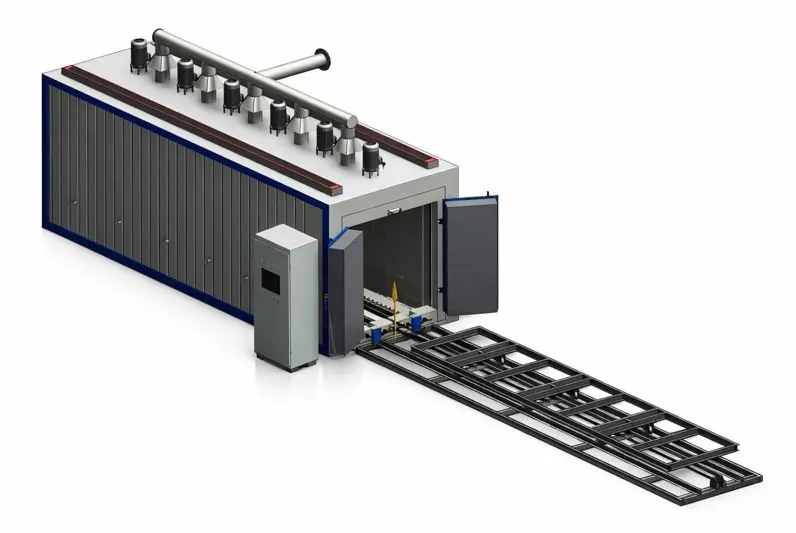
As an OEM/ODM manufacturer, ZonHoo designs each annealing oven configuration, control system, and heating process around your materials and processing requirements. We provide an RFQ-ready scope—temperature range, chamber size, thermal cycling profile, and utilities—along with documentation scope to accelerate project approval and integration.
- Material softening and stress relief through controlled heating
- Uniform heating and thermal cycling for microstructure adjustment
- Precise temperature control for process consistency
- Repeatable results with stable temperature distribution
- Recipe control and data logging (opt.)
- RFQ-ready delivery: drawings, FAT/SAT, acceptance checks
When to Choose an Annealing Oven
Choose an annealing oven when your key goal is material softening and stress relief through thermal cycling:
- You need to soften metals and alloys to adjust their mechanical properties (increase ductility, reduce brittleness)
- Internal stresses need to be relieved after cold working, forging, or casting to prevent cracking or warping
- Uniform heating is required to achieve a consistent temperature profile across the load
- You need to control microstructure through a specific thermal cycle with temperature ramps and holds
- You require repeatable results with consistent heating, cooling, and cycling across multiple batches
- Tight temperature tolerance is required to prevent material degradation or damage
If your primary goal is surface hardening or strengthening, use a Tempering Oven; if your primary goal is aging of aluminum or other alloys, use an Aging Oven; for high-temperature drying, use a High Temp Drying Oven.
Engineering, Options & Key Specs
- Precise temperature control through PID/SCR systems for stable heating
- Thermal cycling logic for controlled heating/cooling phases to adjust material properties
- Uniform heat distribution using advanced heating elements and chamber insulation
- Microstructure adjustment through temperature ramps, holds, and cooling steps
- Over-temperature protection to prevent material damage or degradation (opt.)
- Repeatability across batches with recipe-controlled cycles (opt.)
- Temperature range and tolerance (project-defined)
- Thermal cycling profiles (ramp, hold, cool) for customized material properties (opt.)
- Recipe management, parameter locks, and data logging (opt.)
- Safety interlocks and alarms (opt.)
- I/O integration for process data capture (opt.)
- Documentation scope: drawings, compliance checks,
- FAT/SAT support (project-defined)
- Temperature Range: Process-defined for annealing (high-temp)
- Usable Workspace (W×H×D): Custom per load size & batch quantity
- Control System: PID/SCR for temperature stability (project-defined)
- Heating Elements: Advanced resistive/radiant elements (project-defined)
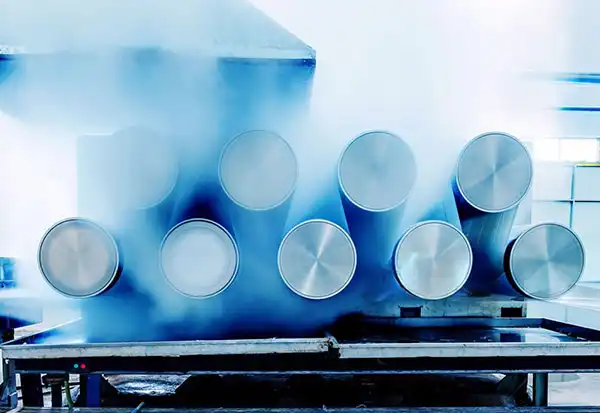
- Cooling Profile: Custom cooling or slow cooling stage (opt.)
- Load Format: Trays / racks / components (project-defined)
- Recipe Control & Logging: Optional for repeatability and traceability
- Utilities & Installation: Power and ventilation requirements (project-defined)

Typical Applications
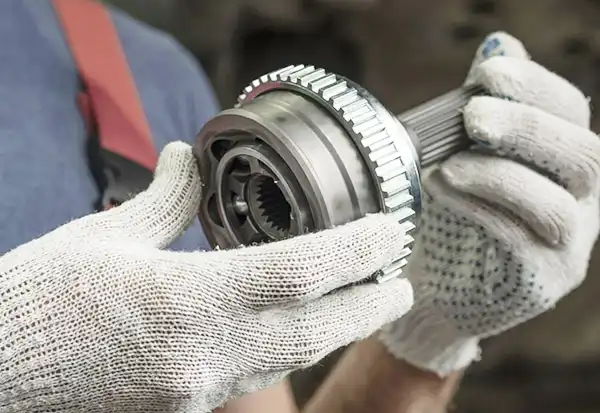
- Softening of alloys (aluminum, steel) to adjust mechanical properties (increase ductility, reduce brittleness)
- Stress relief after cold working, forging, casting, or welding to prevent cracking or distortion
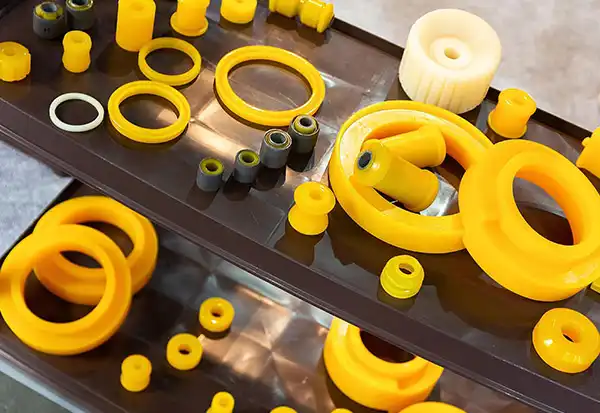
- Heat treatment for post-production parts to stabilize dimensions and improve workability
- Microstructure adjustment for metals or alloys requiring controlled phase transitions
- Recrystallization annealing for cold-worked materials
- Batch annealing for wire, sheet, or component processing
Related Solutions & Guides
- Annealing oven configuration (temperature stability)
- Temperature control system (project-defined)
- Softening & stress relief process
- Thermal cycling for microstructure adjustment
- Uniform heat distribution across the load
- Recipe control & logging (opt.)
- Safety interlocks & alarms (opt.)
- Documentation scope: FAT/SAT (project-defined)
Let’s talk about how we can support your thermal processing goals. Contact our team to explore the right solution for your needs.