


Infrared Conveyor Oven
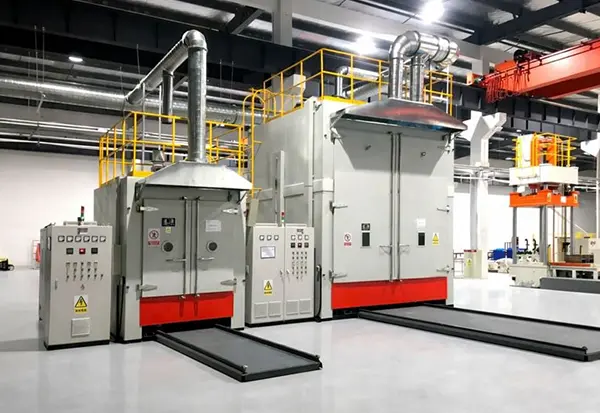
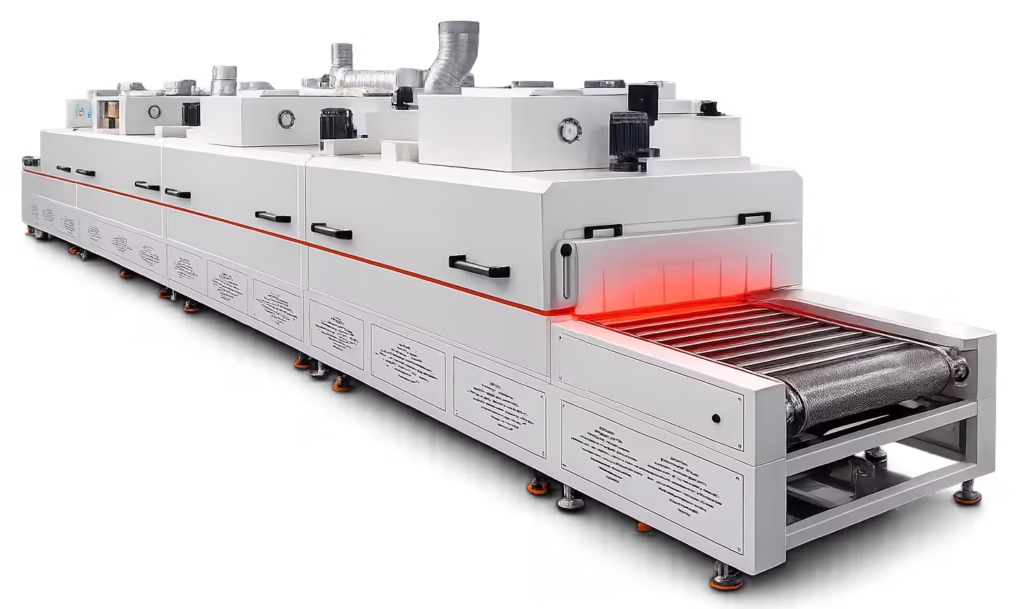
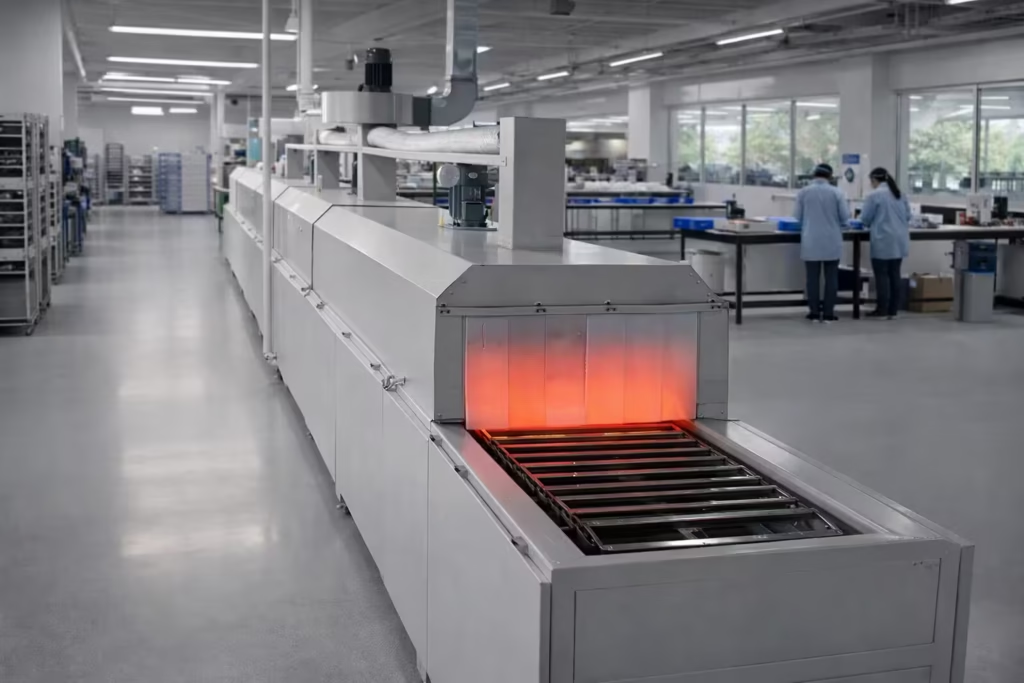
ZonHoo infrared conveyor oven systems deliver continuous heating using radiant (IR) energy for fast response and targeted surface heating—ideal when you need rapid heat input, compact line length, or precise energy placement compared with convection-only tunnels. In an infrared conveyor oven, results are driven by emitter layout, distance-to-part, and line speed: you tune heat input vs residence time to hit your process window while maintaining throughput.
As an OEM/ODM manufacturer, ZonHoo starts with an engineering review of part geometry, surface sensitivity, conveyor speed window, and IR coverage concept, then provides an RFQ-ready scope—emitter zoning concept, shielding, controls, utilities, and documentation scope—with FAT/SAT support and acceptance checks to speed approvals and line integration.
What Makes a Conveyor Oven “Infrared”
An infrared conveyor oven is defined by its heating mechanism: IR energy transfers heat primarily by radiation to the part surface, enabling fast response and compact layouts when engineered correctly. IR conveyor projects typically exist because one or more of these realities apply:
- Fast response is required: the line cannot afford long preheat tunnels
- Surface heating is intentional: you want heat where it matters, not only in the air volume
- Compact footprint matters: higher heat flux can reduce required line length (project-defined)
- Geometry drives coverage: part shape and orientation determine emitter layout needs
- Control is “energy-first”: output depends on emitter arrangement + speed, not just setpoint
Continuous IR Heating Workflow
Successful IR lines are engineered around motion and energy:
- Line speed window: takt time defines speed range
- Residence time: time under IR field = effective heated length ÷ speed
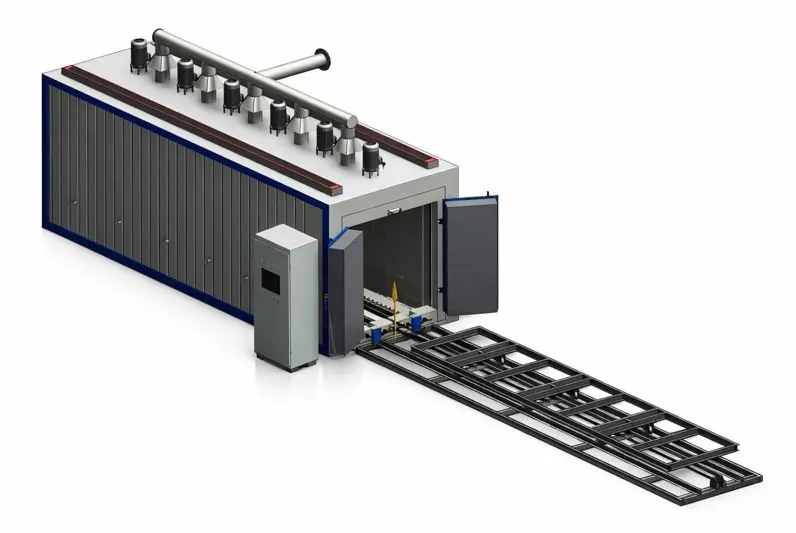
- Emitter layout: arrangement defines heat flux distribution across the belt envelope
- Distance-to-part: controls intensity and uniformity (project-defined)
- Shielding/reflectors: reduce losses and improve coverage efficiency
- Openings & transitions: entry/exit design minimizes heat loss and protects stability
This is the practical reason buyers choose an infrared conveyor oven: you can tune heat input precisely while keeping throughput moving.
Why Choose an Infrared Conveyor Oven
An infrared conveyor oven is the right choice when you need high responsiveness, compact line length, or surface-focused heat transfer in continuous production.
Key advantages (why B2B buyers choose it):
- Fast response: radiant heating delivers rapid heat input for continuous flow
- Compact footprint: higher heat flux can reduce line length vs convection-only designs (project-defined)
- Targeted heating: energy placement can be tuned to geometry and process needs
- Lower thermal inertia: faster ramp changes when production conditions shift
- RFQ clarity: emitter layout, shielding, and speed window can be defined early for procurement alignment

Typical Applications
- Continuous lines needing fast heat input with controlled exposure time
- Processes where surface heating is preferred over heating large air volume
- Compact production layouts where footprint reduction matters
- Parts with geometry requiring engineered IR coverage (project-defined)
- Industrial lines needing repeatable heating with documented controls (project-defined)
Options & Customization
- Emitter layout concept and heated-length sizing (speed-driven)
- Shielding/reflector design and service access (project-defined)
- Controls: recipes, alarms, parameter locks, data logging (opt.)
- Sensors and verification points (project-defined)
- I/O for line coordination (ready/busy/fault/heat-enabled) (opt.)
- Entry/exit transition design to reduce losses (project-defined)
- Documentation scope: drawings, manuals, acceptance checks, FAT/SAT support (project-defined)
Related Solutions & Guides
- Radiant (IR) heating execution
- Emitter layout & distance planning
- Line speed vs heat input sizing
- Shielding & safety concept (opt.)
- Surface-focused heating approach
- Recipe control & data logging (opt.)
- Alarms & interlocks (opt.)
- Documentation: FAT/SAT scope (project-defined)
Let’s talk about how we can support your thermal processing goals. Contact our team to explore the right solution for your needs.