


Industrial Conveyor Oven
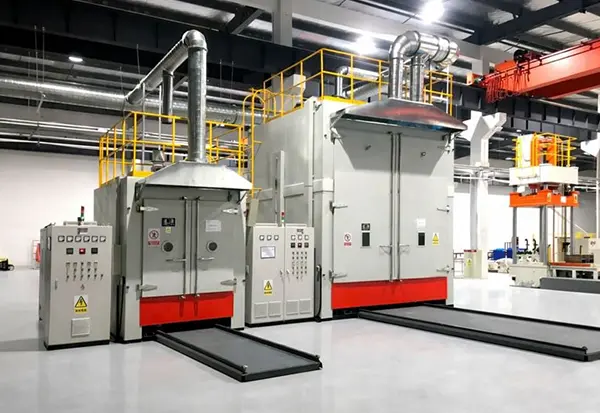
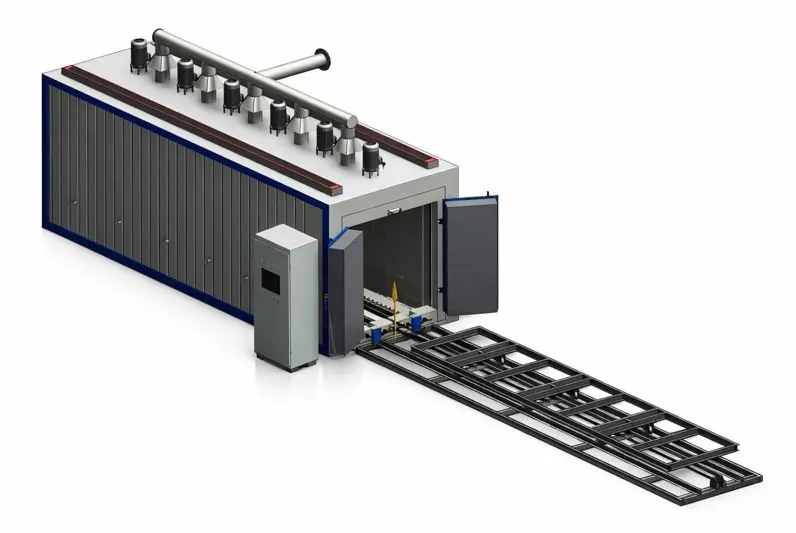
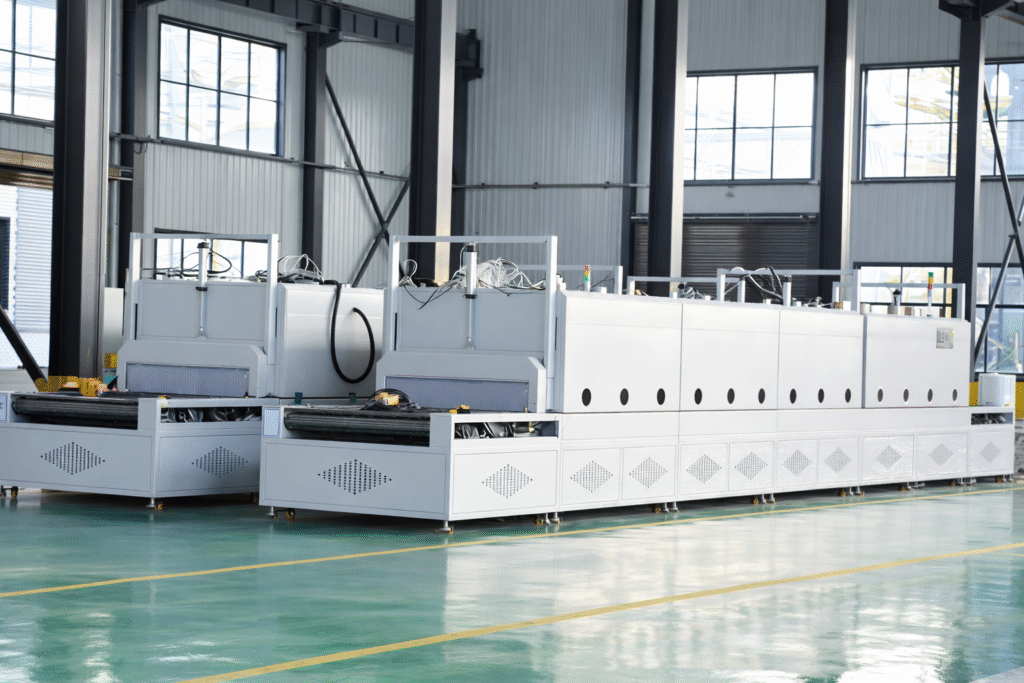
ZonHoo industrial conveyor oven systems are engineered for continuous production where line speed and residence time define results. For manufacturers running steady throughput, a belt conveyor oven provides repeatable heating exposure across every part—without stop-and-go batch handling—so your process stays stable across shifts, SKUs, and takt changes.
As an OEM/ODM manufacturer, ZonHoo starts with an engineering review of your parts, belt width, spacing, and target thermal profile, then returns an RFQ-ready scope—usable workspace, heating concept, airflow coverage approach, utilities, controls, and documentation scope—so approvals are faster and lead-time planning is clearer.
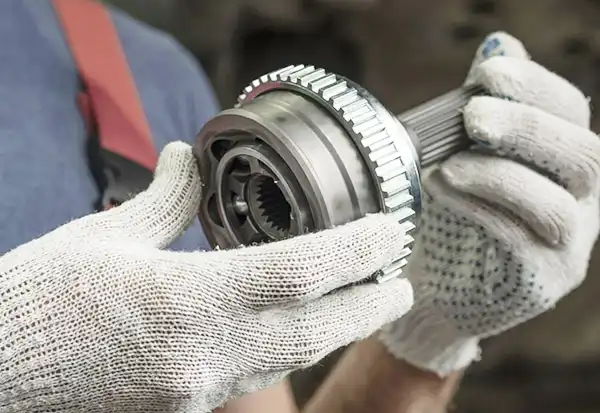
- Surface hardening and stress relief for metal components
- Temperature control and uniform heating across the load
- Cooling profile engineered for material-specific stress relief
- Repeatable results with stable temperature distribution
- Recipe control and data logging (opt.)
- RFQ-ready delivery: drawings, FAT/SAT, acceptance checks
What Makes an Industrial Conveyor Oven “Industrial”
An industrial conveyor oven is defined by continuous line execution—parts move through a heated chamber at a controlled line speed, and results are driven by residence time and heat coverage, not by batch soak only. Most successful projects are engineered around these realities:
- Residence time is the process lever: time in heat = chamber length ÷ line speed
- Belt width & spacing define coverage: airflow/heat must be engineered across the full belt envelope
- Entry/exit openings drive heat loss: seals and transitions matter for stability
- Product mix changes output: SKUs, mass, and spacing variability must be engineered into the profile
- Line integration is mandatory: sensors, I/O, and fault handling must match upstream/downstream equipment
If your primary goal is softening materials for shaping or stress elimination, use an Annealing Oven; if you need high-temperature drying, use a High Temp Drying Oven; if curing/volatiles are involved, use a Curing Oven.
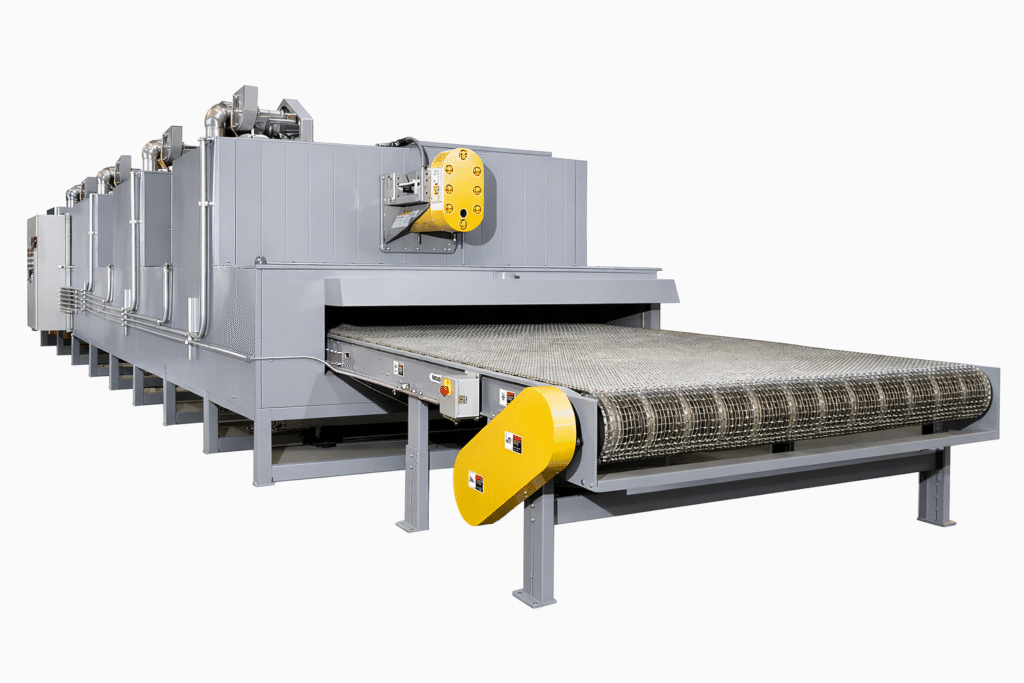
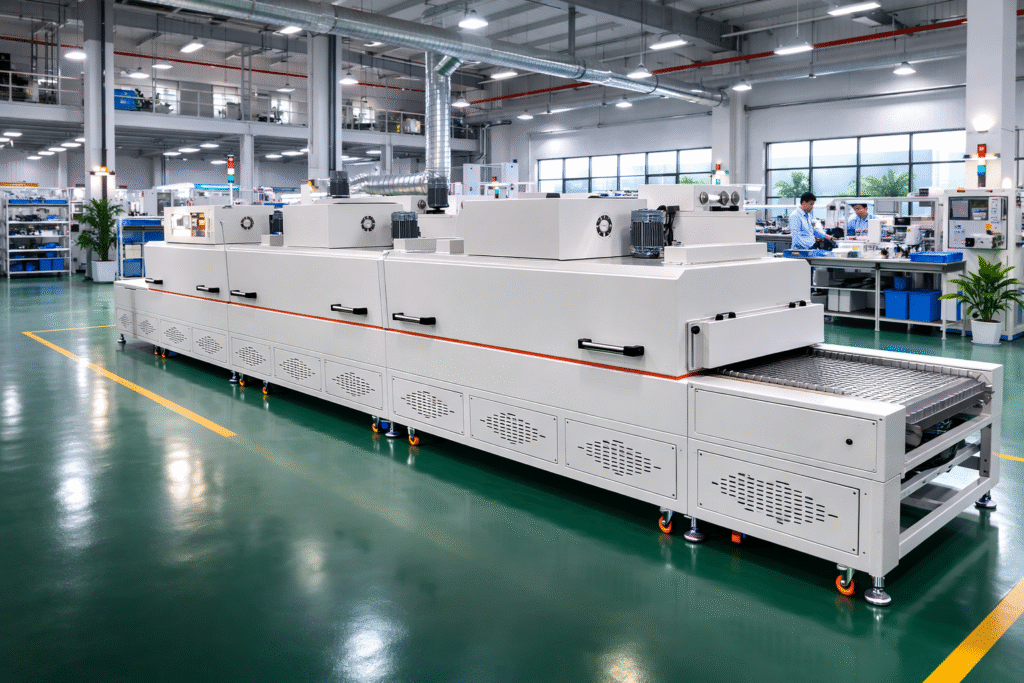
Continuous Conveying Workflow
A conveyor line succeeds or fails based on how motion defines heat exposure:
- Line speed definition: takt time and throughput set the speed window
- Residence time definition: target profile (heat-up + dwell) sets required length
- Load spacing: spacing affects shadowing, airflow, and output consistency
- Belt tracking & carryover: stable tracking reduces mechanical faults and process drift
- Openings & transitions: entry/exit seals reduce heat loss and improve stability
This is what separates an industrial conveyor oven from generic continuous heating concepts: it is engineered around predictable residence time and repeatable line execution.
Why Choose an Industrial Conveyor Oven
An industrial conveyor oven is the right choice when continuous throughput and process consistency matter more than batch flexibility. Buyers typically choose this design to standardize cycle exposure across shifts while keeping production moving.
Key advantages:
- Throughput stability: continuous motion supports predictable takt and output
- Repeatable exposure: residence time + engineered coverage deliver consistent results
- Lower handling risk: fewer stop/start events and less batch staging
- Line coordination: I/O integration supports upstream/downstream automation (opt.)
- RFQ clarity: engineering review produces a procurement-ready scope and acceptance checks
Typical Applications
- Coating & finishing lines where continuous exposure stabilizes output
- Preheating before forming, bonding, or downstream processes
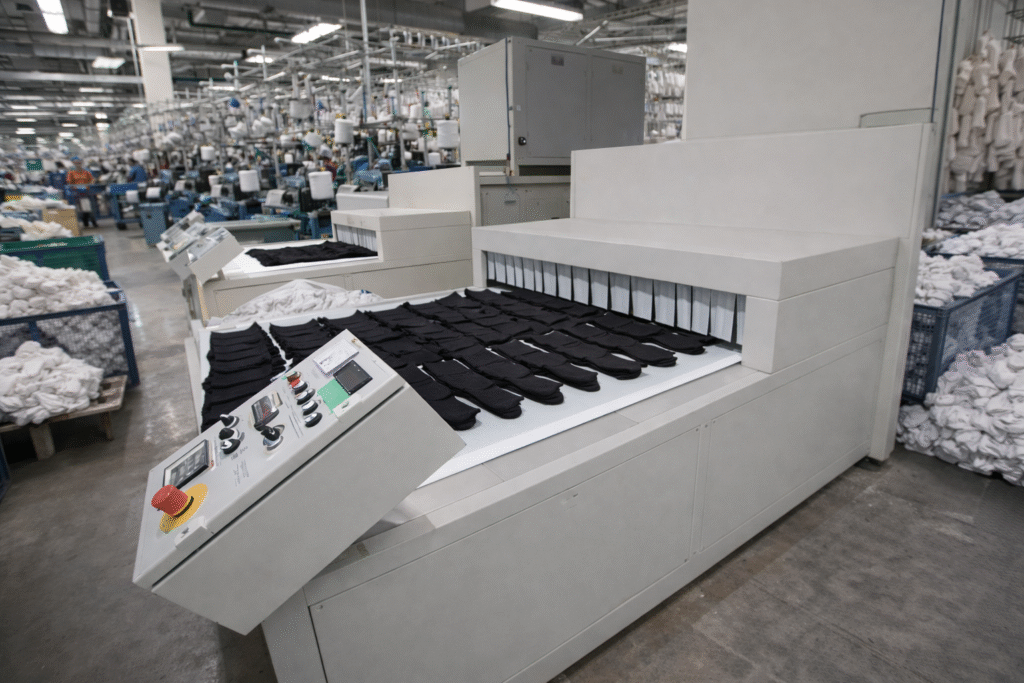
- Electronics and assemblies requiring controlled heating in steady flow
- General industrial production where line speed and consistency drive throughput
- Drying/heating steps that benefit from continuous handling (process-defined)
Options & Customization
- Belt width and chamber length sizing (residence time–driven)
- Entry/exit sealing and transition modules (project-defined)
- Controls: recipes, alarms, parameter locks, data logging (opt.)
- Sensors and verification points (project-defined)
- I/O for line coordination (ready/busy/fault/cycle complete) (opt.)
- Maintenance access, service panels, and inspection layout (project-defined)
- Documentation scope: drawings, manuals, acceptance checks, FAT/SAT support (project-defined)
Related Solutions & Guides
- Belt conveyor oven line execution
- Residence time / line speed sizing
- Airflow coverage across belt width
- Heat loss control at entry/exit
- Recipe control & data logging (opt.)
- Alarms & safety interlocks (opt.)
- I/O for line coordination (opt.)
- Documentation: FAT/SAT scope (project-defined)
Let’s talk about how we can support your thermal processing goals. Contact our team to explore the right solution for your needs.