

Industrial Conveyor Oven
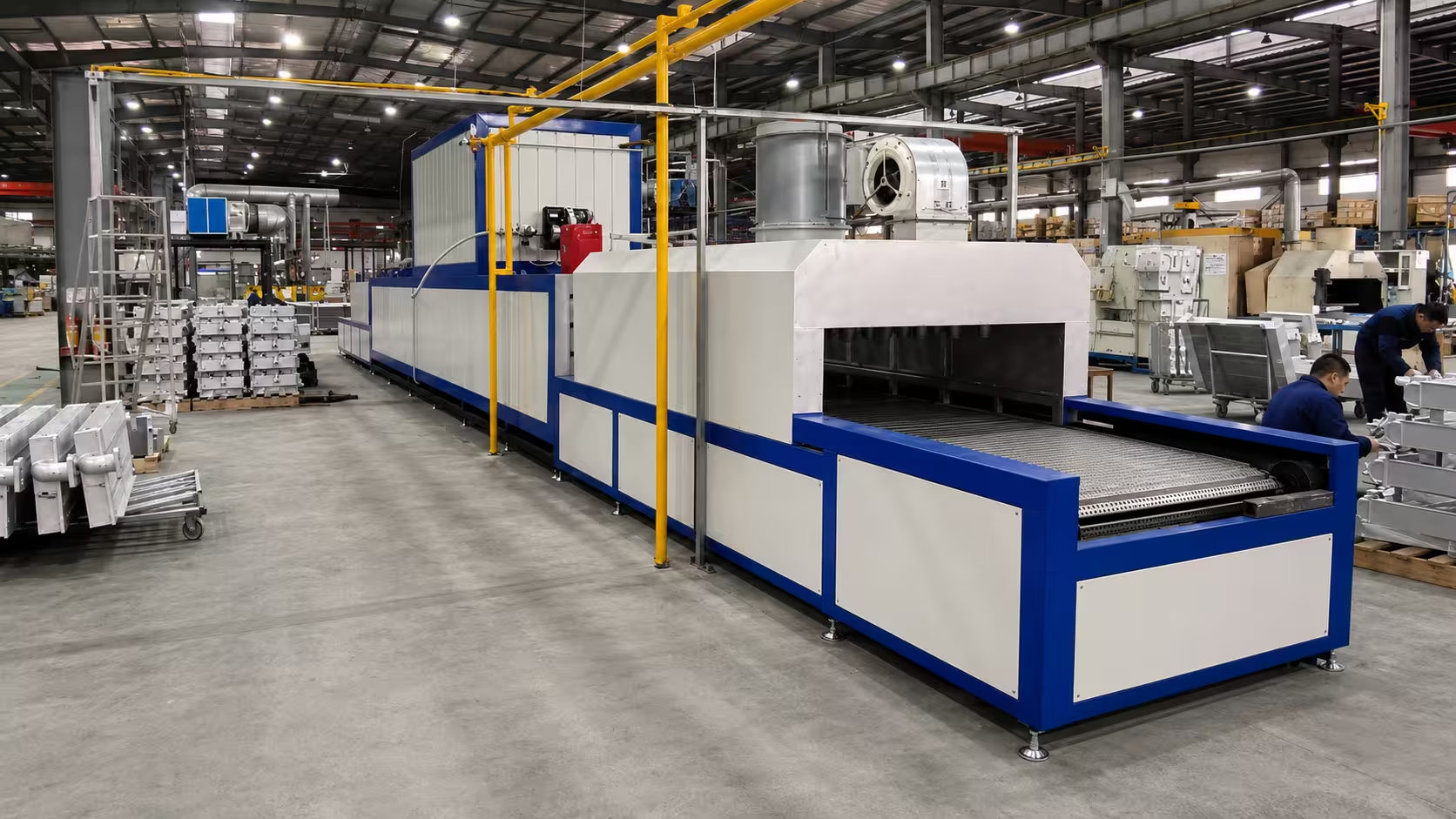
An industrial conveyor oven should turn line speed into predictable thermal exposure. ZonHoo industrial conveyor ovens are built for drying, curing and preheating with controlled residence time, stable airflow and production-line integration. For buyers comparing an industrial conveyor belt oven or belt conveyor oven, this page is the core commercial starting point.
Watch a ZonHoo industrial conveyor oven and its production-line configuration in operation.
What Is an Industrial Conveyor Oven?
An industrial conveyor oven is a continuous thermal processing system in which products move through a heated chamber on a conveyor. Belt speed, heated length, airflow and temperature profile work together to determine residence time and process repeatability.
- Predictable residence time for repeatable inline production
- Suitable for drying, curing, preheating and other continuous thermal processes
- Compatible with mesh belt, solid belt, trays and carrier-based handling
- Designed for integration with upstream and downstream equipment
The Core Belt-Based Conveyor Oven Product Page
This page is the main commercial entry for buyers already looking for a standard industrial conveyor oven. If you are still comparing the broader family, compare continuous oven configurations. If the project requires a non-standard layout, transport method or process architecture, move into custom-built conveyor oven solutions.
What Makes a Belt Conveyor Oven Work as an Industrial Process
The belt is not just a transport component. Belt construction, product support, tracking, airflow coverage and the entry/exit geometry all influence thermal repeatability and line reliability.
Belt & product support
Mesh belt, solid belt, tray or carrier selection must match product geometry, loading density, cleanliness and operating temperature.
Speed & residence time
Conveyor speed and heated length work together to define how long each product remains inside the controlled thermal process.
Airflow across belt width
Recirculation and air delivery must cover the full loaded envelope so parts near the belt edges do not process differently from parts near the center.
Tracking, openings & heat loss
Belt tracking, entry and exit transitions, seals and conveyor penetrations affect maintenance, heat loss and long-term process stability.
Lock the Process Before You Lock the Oven Size
The final conveyor oven should be sized around production rate, thermal exposure and the loaded product envelope—not around a chamber dimension alone.
Belt Speed & Residence Time
Translate process time and target output into a workable conveyor speed range before heated length is finalized.
calculate conveyor belt speed and residence time →How to Size the Oven
Use product dimensions, loading pitch, dwell time and throughput to establish the practical conveyor opening and oven length.
conveyor oven sizing guide →Single-Zone or Multi-Zone?
Decide whether the process needs one stable setpoint or staged heating sections with independent control.
single-zone vs multi-zone conveyor oven →Temperature Uniformity
Review airflow, load density and mapping strategy when process consistency across the conveyor width is critical.
across-belt temperature uniformity guide →Cost Factors
Understand how size, heat source, zones, controls, conveyor construction and integration requirements affect project cost.
industrial conveyor oven cost factors →Prepare a Useful Quotation Request
Send the process information engineering needs to size the line correctly and avoid repeated specification revisions.
information required for a conveyor oven quotation →Industrial Conveyor Oven Applications
The same belt-based platform can be engineered for very different products. These application pages show how process requirements change the oven specification.
Sand Core & Mold Drying
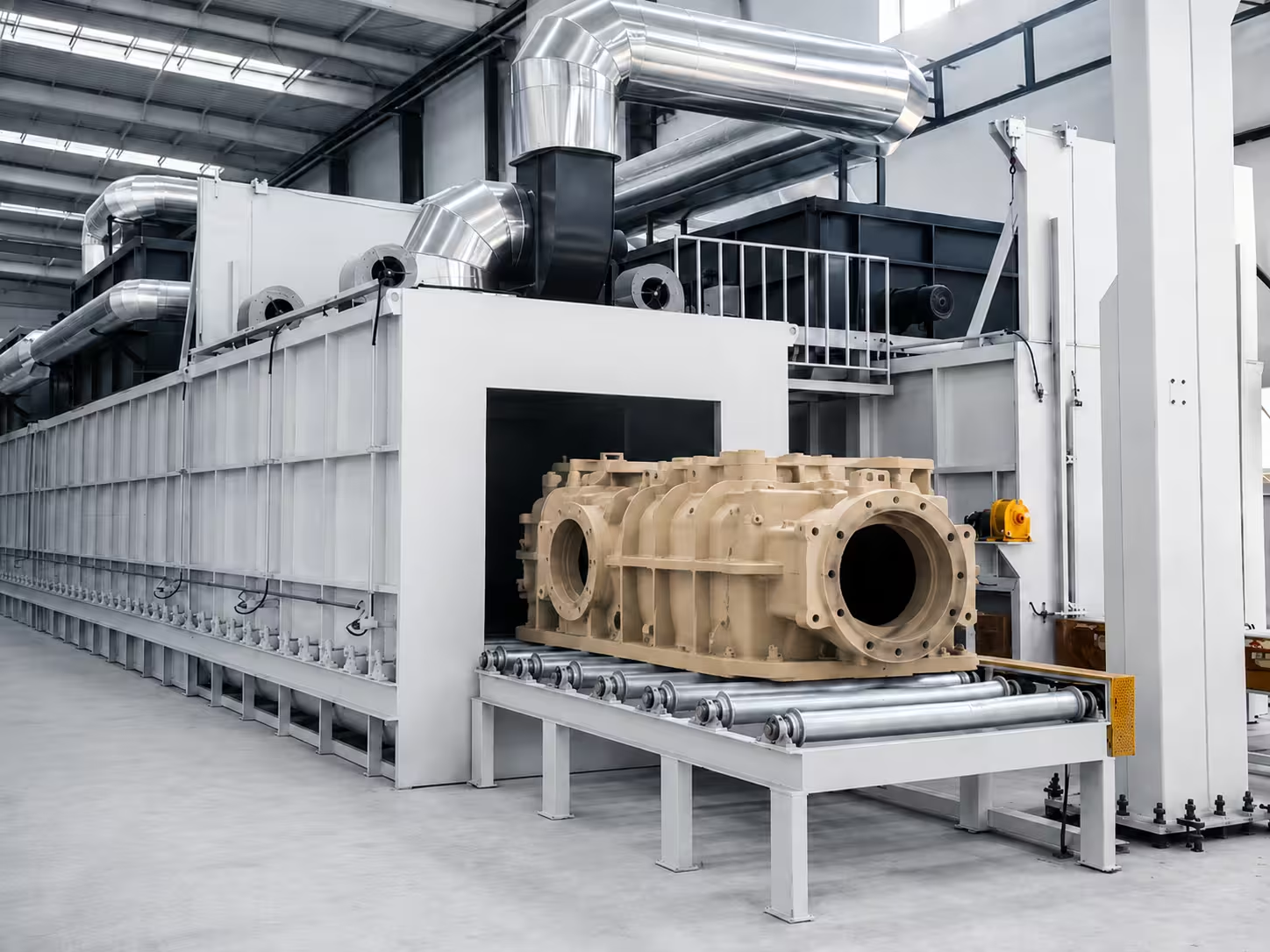
Continuous drying for cores and molds where moisture removal, throughput and controlled handling must work together.
sand core and mold drying →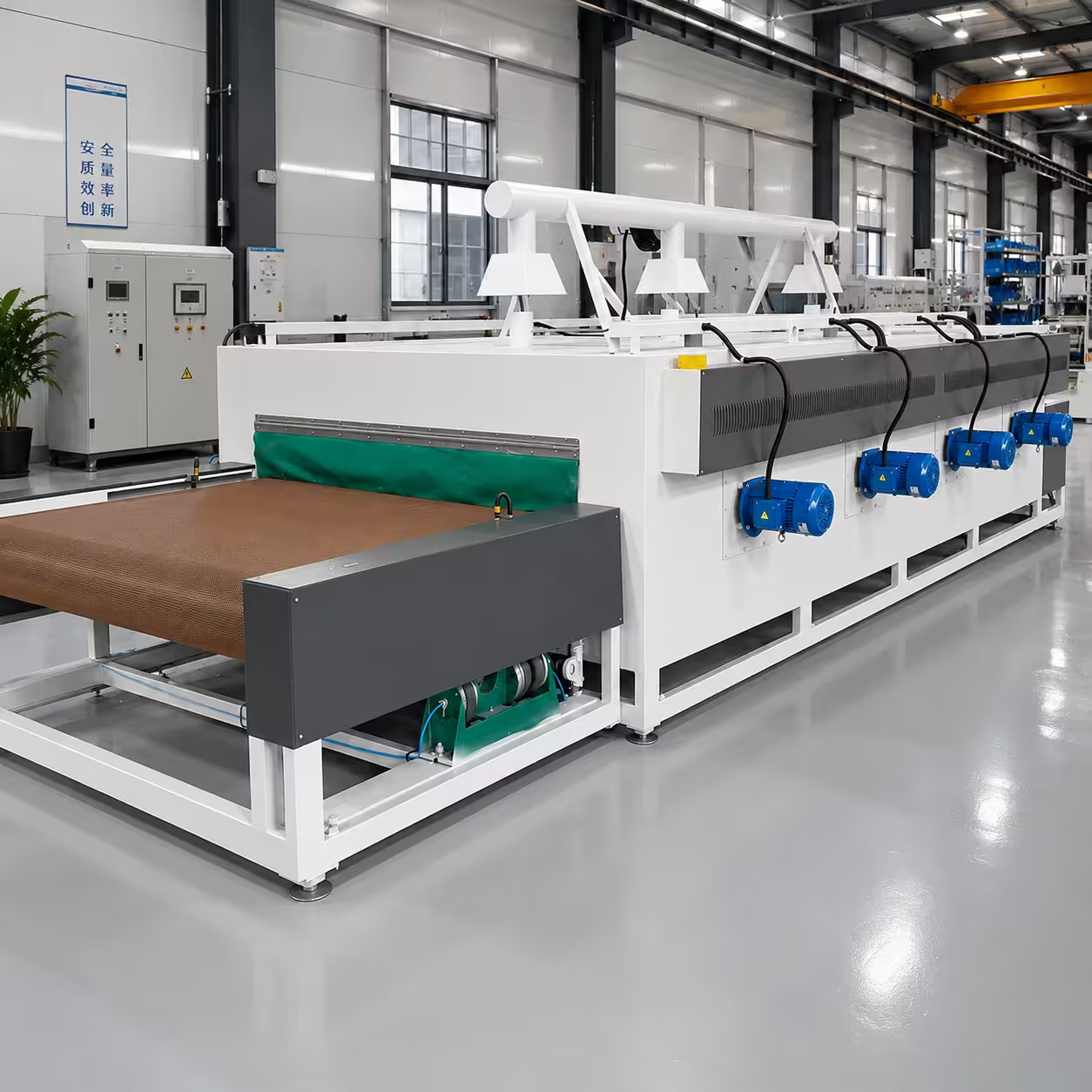
Printing & Textile Thermal Processing
Inline heating for inks, coatings and printed materials where residence time and line speed must remain coordinated.
industrial ovens for printing and textile production →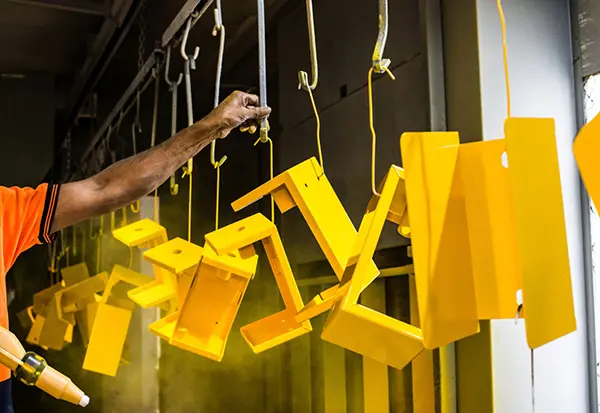
Coating Process Ovens
Continuous curing and drying for coatings where airflow, part loading and temperature profile determine finish quality.
industrial ovens for coating processes →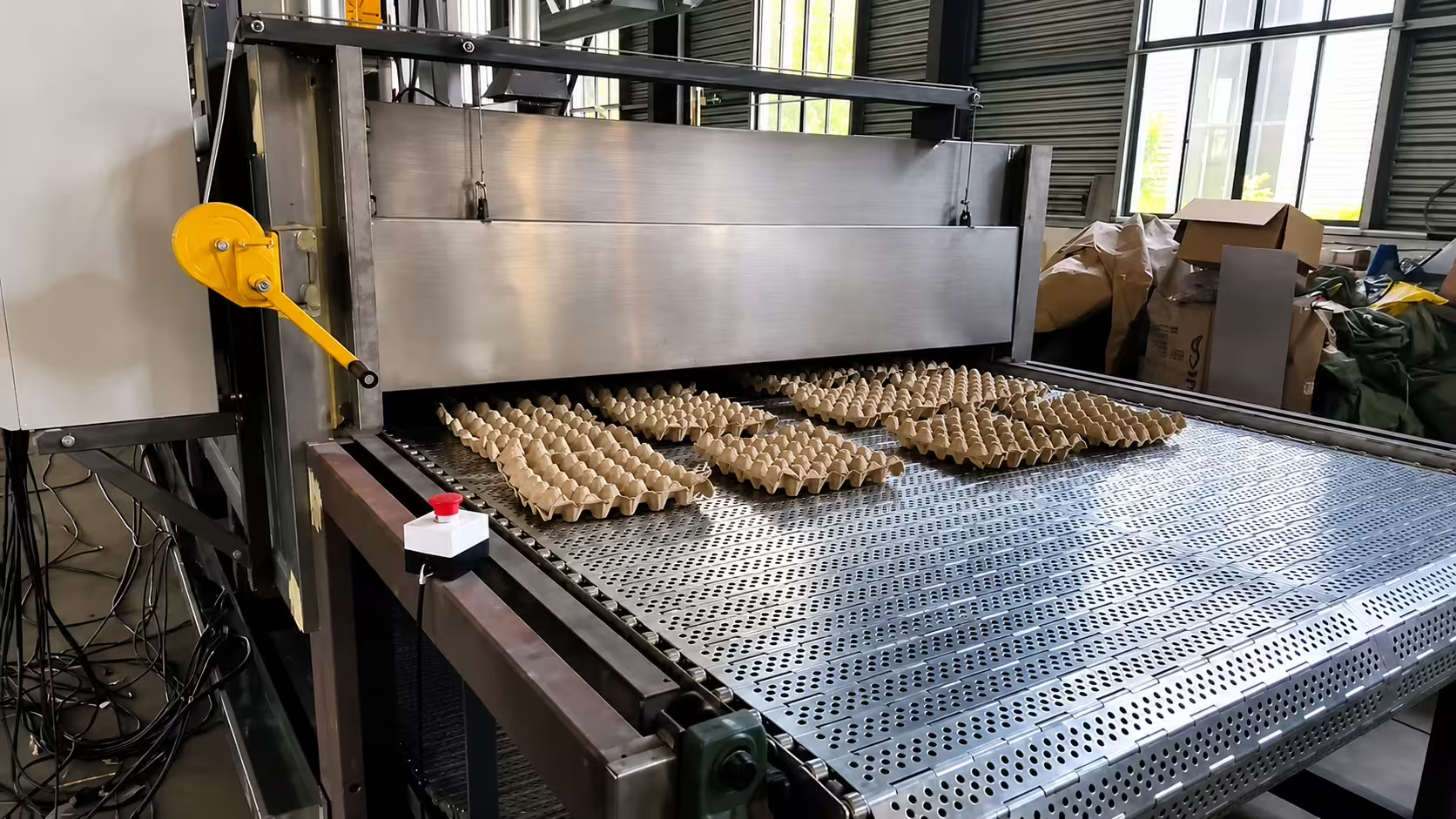
General Industrial Drying
Use continuous airflow and controlled residence time for repeatable moisture removal across a wide range of products.
general industrial drying processes →Build the Conveyor Oven as a Complete System
Conveyor selection, controls and system planning affect reliability just as much as the insulated chamber and heating capacity.
Conveyor Belt Selection
Match belt construction to temperature, product support, cleanliness and mechanical loading requirements.
select conveyor belts for oven service →Oven System Planning
Coordinate layout, utilities, process flow and interfaces before equipment dimensions are frozen.
industrial oven system planning →Industrial Oven Controls
Define recipes, alarms, speed coordination, data handling and line I/O around the production process.
industrial oven control systems →From Thermal Design to Finished Conveyor Oven
For buyers evaluating an industrial conveyor oven manufacturer or a project that may grow into a custom conveyor oven, review ZonHoo manufacturing capabilities, including custom fabrication, engineering coordination and factory-built industrial oven systems.
Industrial Conveyor Oven Questions
How do I determine conveyor speed for an industrial conveyor oven?
Start from the required process exposure and production rate, then calculate a practical speed range against heated length and loading pitch.
How do I know whether one heating zone is enough?
A single zone is appropriate for simpler thermal profiles. Staged heat-up, soak or tighter profile control may justify multiple independently controlled zones.
What affects temperature uniformity across the conveyor?
Airflow layout, recirculation, load density, conveyor width, product geometry and zone control all affect across-belt consistency.
What information should I provide for quotation?
Provide product dimensions, mass, support method, target throughput, process temperature, required time, plant utilities and interface requirements.