

Industrial Ovens for Foundry Drying and Thermal Processing
Foundry thermal processing varies widely between sand cores, molds, castings, fixtures and tooling. ZonHoo engineers batch and continuous oven systems around load size, binder system, moisture removal, production rate, handling method and required thermal cycle—from sand core drying to preheating and post-casting thermal processes.
For high-volume foundry production, conveyor-based systems can reduce repeated loading and provide more consistent residence time. Large or irregular loads may instead require chain-supported, wide-belt, walk-in or batch oven configurations.
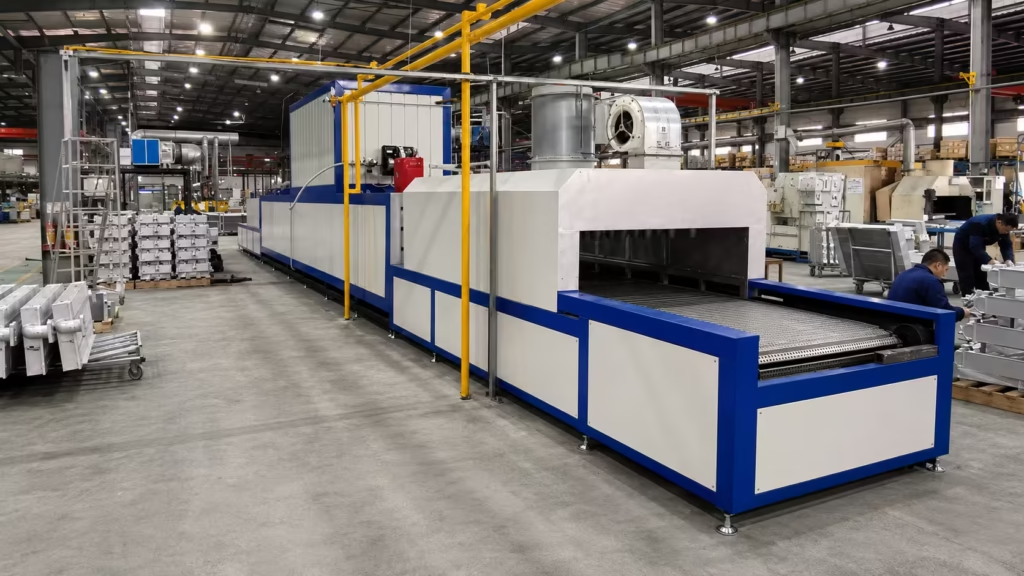
Industrial Conveyor Oven
For repetitive sand cores, molds and foundry components where stable line speed, residence time and continuous thermal processing improve production consistency.
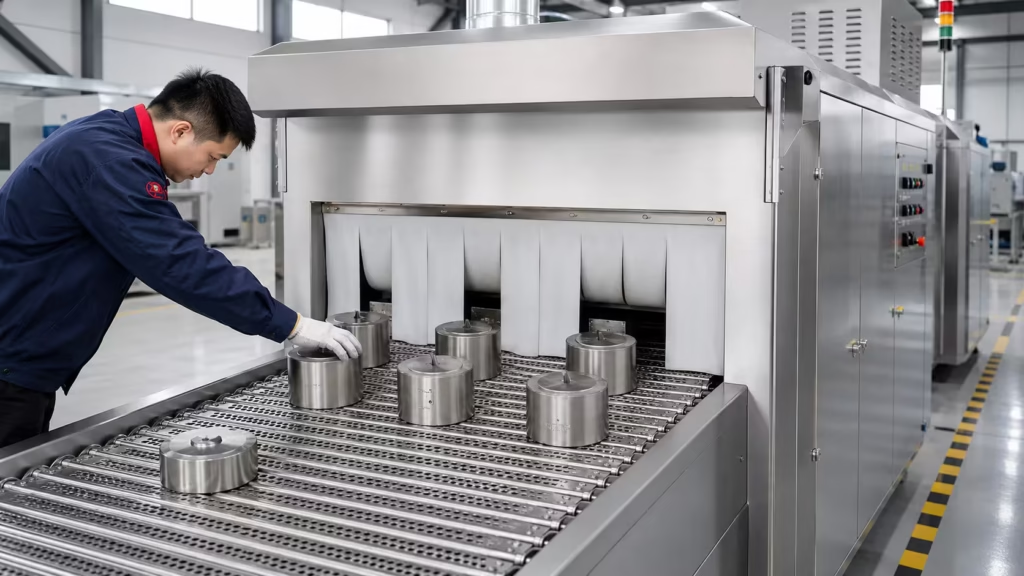
Chain Conveyor Oven
For heavier cores, molds, pallets and fixtures that require positive support and more robust conveying than a conventional mesh-belt system.
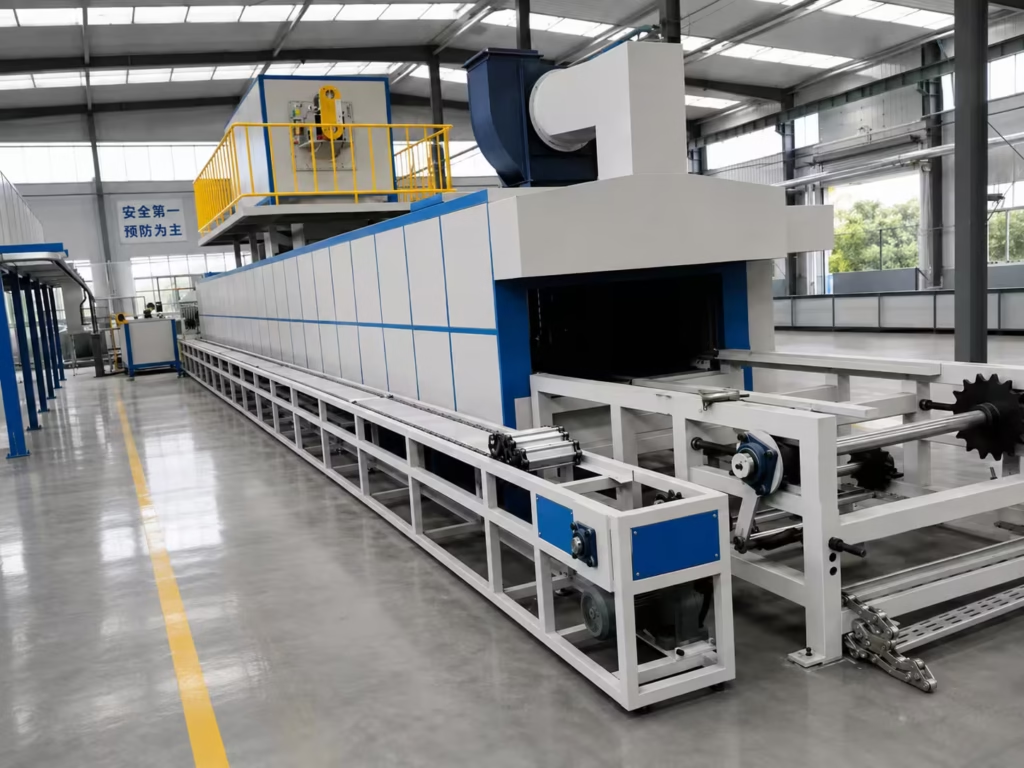
Large Conveyor Oven
For wide castings, large fixtures or multiple-part loading where conveyor width, structural load and across-belt temperature distribution become major design factors.
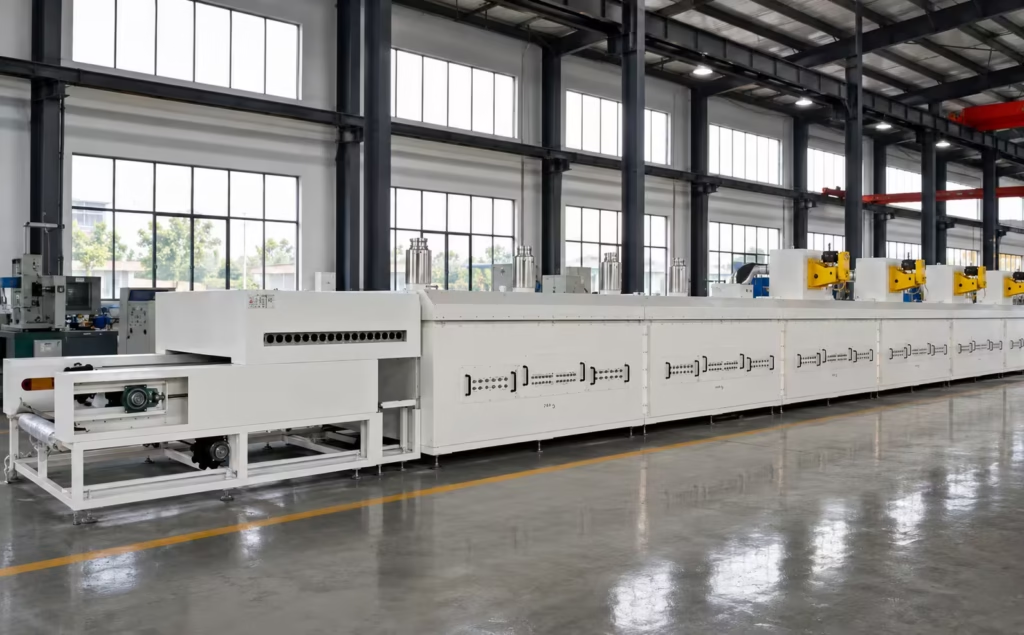
Preheating Oven
For molds, tooling and fixtures that require controlled preheating before casting, coating or other downstream foundry operations.
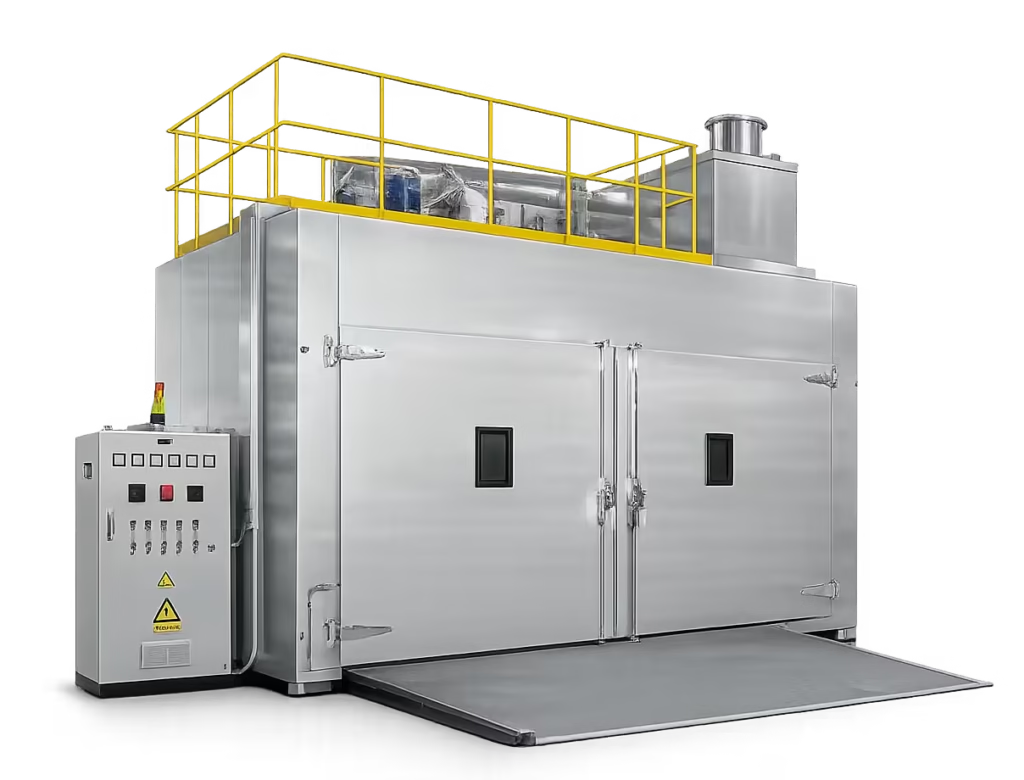
Walk-In Oven
For large molds, racks and bulky foundry loads that require full chamber access, flexible loading and batch thermal processing.
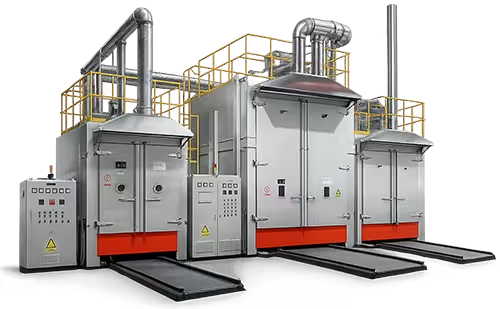
Industrial Batch Oven
A flexible option for mixed foundry loads, changing batch sizes and thermal processes that do not justify a dedicated continuous line.
Sand Core & Mold Drying
In foundry manufacturing, sand cores and molds often require controlled drying before pouring or downstream handling. This is one of the most critical thermal support processes in casting production. Proper drying helps remove residual moisture, improve mold strength, stabilize dimensions, and reduce the risk of gas-related defects such as porosity, cracking, and surface imperfections.
Typical applications include sand core drying, mold drying, and drying of foundry-related materials before casting.
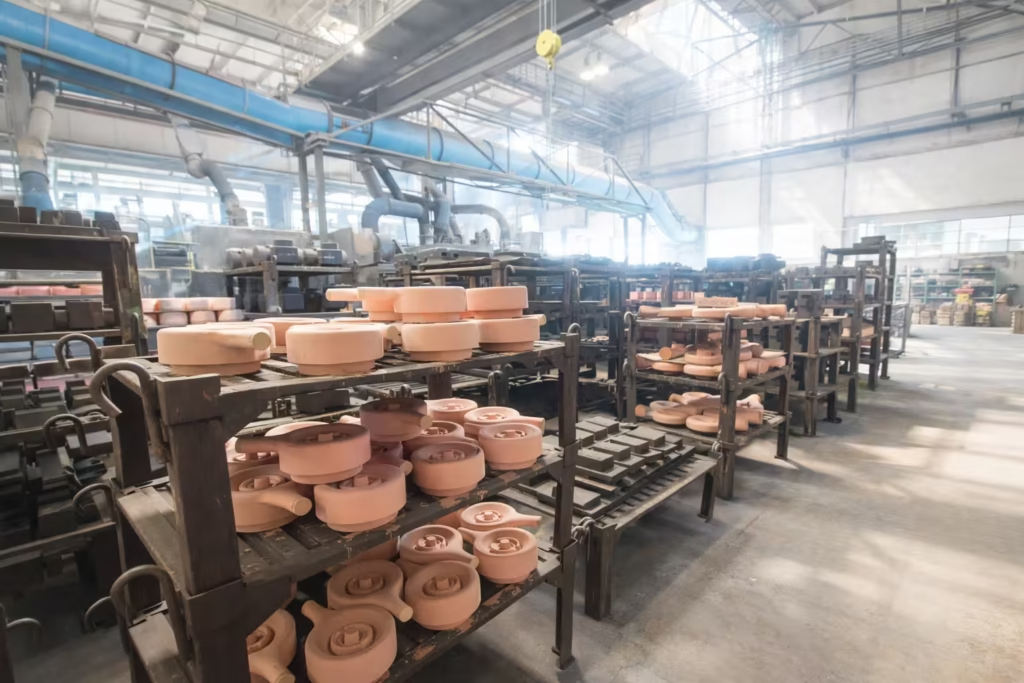
Sand cores and molds require controlled moisture removal without damaging fragile geometry or creating large differences between surface and internal drying. Binder chemistry, core thickness, loading density and production rhythm all influence the correct oven direction.
Typical processes: sand core drying, mold drying, moisture removal before casting, mold strength stabilization.
Explore sand core and mold drying →
Explore related solutions:
Coating & Binder Curing
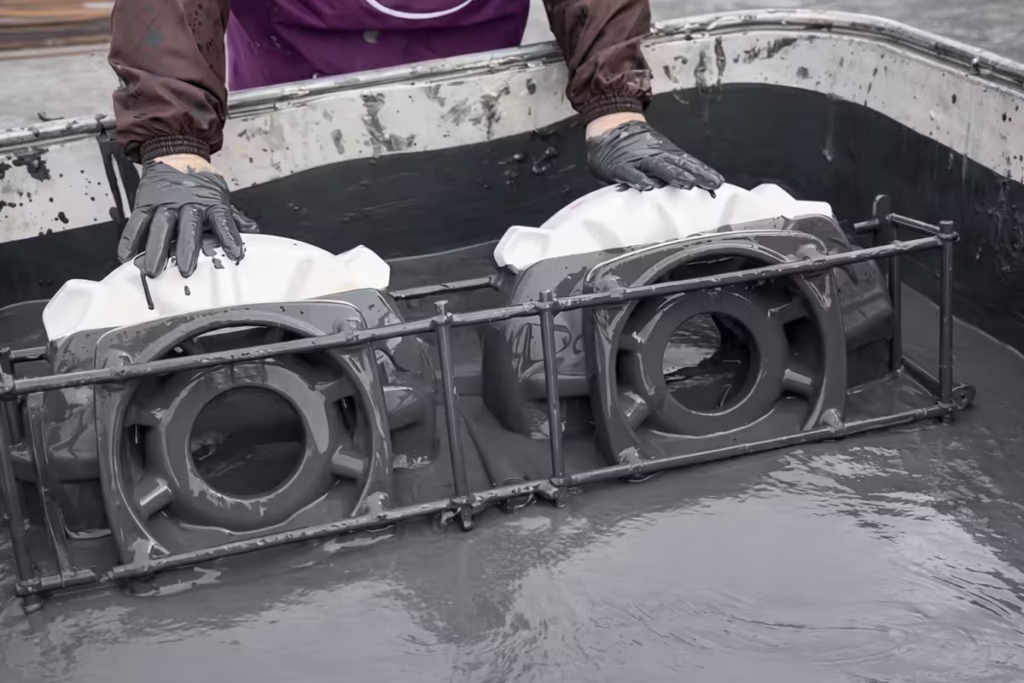
Foundry production often involves coating drying or binder-related curing steps that directly affect casting quality and mold performance. Typical examples include refractory coating drying on mold surfaces and resin binder curing in sand-related processes. Controlled heating in these stages helps improve surface finish, reduce sticking or sand adhesion, and support cleaner demolding results.
Typical applications include foundry coating drying, refractory wash drying, and resin binder curing for sand-related production steps.
Typical processes: coating drying, refractory coating cure, resin binder curing, surface preparation drying.
Explore related solutions:
Mold, Tooling & Fixture Preheating
Preheating is often used in foundry operations to improve process stability before casting or related production steps. Controlled preheating can help reduce thermal shock, lower the risk of cracking, and create more predictable casting conditions. This is especially useful when molds, tooling, or fixtures need to reach a more stable working condition before contact with molten metal or other heat-intensive stages.
Typical applications include mold preheating, tooling warming, fixture preheating, and process preparation heating.
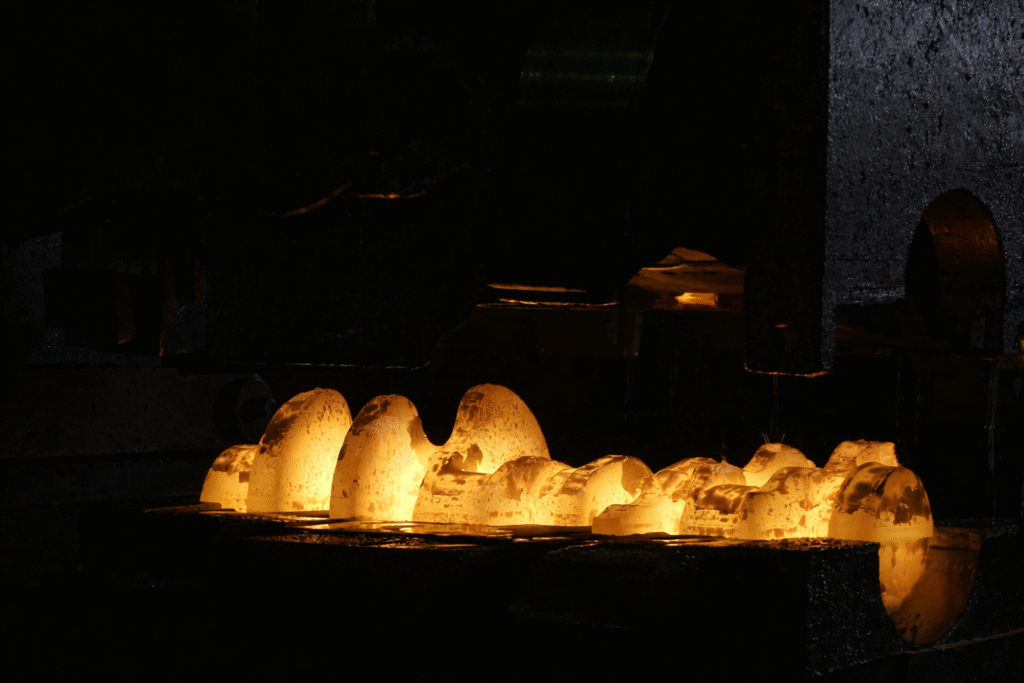
Typical processes: mold preheating, tooling preheating, fixture warming, thermal conditioning before casting.
Explore related solutions:
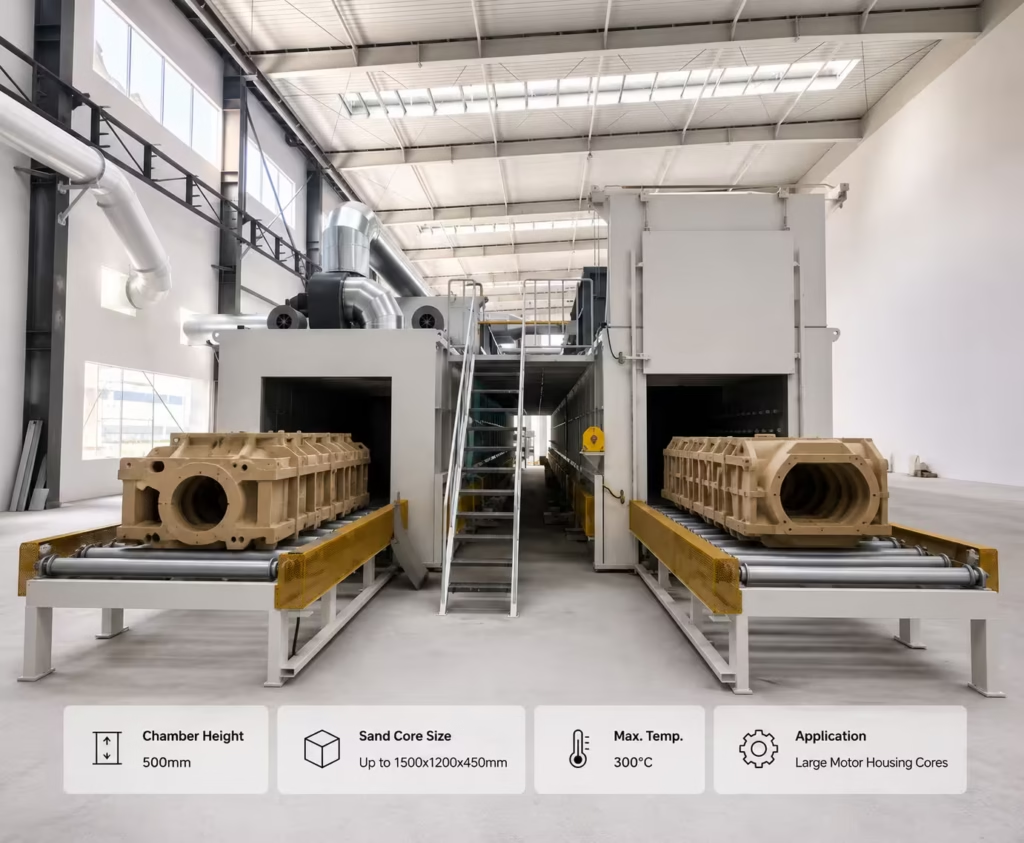
Continuous Sand Core Drying Line for a Turkish Foundry
A real foundry project shows how two conveyor channels, multiple heating zones, residence time and cooling were engineered around actual sand-core production requirements.
See how the system was developed in our dual-belt foundry drying project.
How to Match the Right Oven to Foundry Production
Selecting the right oven depends on load type, chamber access, process sequence, and production rhythm.
| Production Need | Recommended Oven |
|---|---|
| Repetitive sand cores or molds | Industrial Conveyor Oven |
| Heavy cores, molds, pallets or fixtures | Chain Conveyor Oven |
| Wide castings or large assemblies | Large Conveyor Oven |
| Large batch loads requiring chamber access | Walk-In Oven |
| Flexible mixed foundry loads | Industrial Batch Oven |
| Tooling, mold or fixture preheating | Preheating Oven |
Related Solutions & Guides
- Stable drying before downstream processing
- Flexible batch loading for cores and molds
- Heavy-load chamber configuration
- Preheating support for tooling readiness
- Continuous drying option for repeatable throughput
- Selected heat treatment support
- Safety interlocks and airflow control
- PLC / data logging integration (opt)
Need help matching the right oven to your foundry process, load style, drying step, or preheating requirement?