

Industrial Ovens for Inert Gas Processing
Inert gas processing requires more than heat alone. When oxygen, moisture, or oxidation can affect surface condition, material stability, or downstream quality, a controlled atmosphere becomes part of the process window. ZonHoo builds industrial ovens and heat treatment systems with nitrogen or argon purge options, chamber sealing strategy, stable airflow, and recipe-based controls for oxidation-sensitive drying, annealing, protective atmosphere heating, and other batch thermal processes.
Why This Process Matters
Why Inert Gas Processing Requires Controlled Thermal Processing
In inert gas processing, temperature is only one part of the result. The atmosphere inside the chamber also affects oxidation, discoloration, moisture pickup, and overall process stability. For oxidation-sensitive materials or parts that must keep a clean surface, a standard heated chamber may not be enough.
A properly engineered oven system helps control purge flow, chamber conditions, heating uniformity, and repeatability from batch to batch. That is especially important when the process must reduce oxygen exposure, protect surface finish, or support a more stable thermal cycle for high-value parts.
Lower Oxidation Exposure
A controlled nitrogen or argon atmosphere helps reduce oxygen contact during heating, soaking, and in some cases cooling, lowering the risk of scale, discoloration, or unwanted surface change.
Cleaner Surface Condition
For stainless steel, copper alloys, specialty materials, and sensitive assemblies, inert gas processing can help maintain a cleaner appearance and reduce rework caused by oxidation-related defects.
More Stable Results for Sensitive Materials
When materials or coatings react to oxygen or moisture, chamber atmosphere control becomes part of process consistency. Stable purge and repeatable heating improve batch-to-batch reliability.
Better Process Control and Traceability
With the right controls, operators can manage purge sequence, alarms, temperature profile, and optional data logging more consistently across production runs.
Typical Applications
Where Inert Gas Processing Is Commonly Used
Inert gas processing is commonly used where oxidation control, moisture reduction, cleaner surfaces, or protective atmosphere heating are part of the thermal requirement.
Bright Annealing and Surface-Sensitive Metal Parts
Used for stainless steel, copper, and selected alloy components where reduced oxidation and cleaner surface appearance are important during thermal processing.
Electronics and Moisture-Sensitive Assemblies
Applied in drying, bake-out, or thermal stabilization of components that are sensitive to oxygen, humidity, or contamination during heating.
Protective Atmosphere Heat Treatment
Suitable for batch processes that require a lower-oxygen chamber condition during soaking, stress relief, annealing, or related thermal cycles.
Powders, Functional Materials, and Specialty Media
Useful where material behavior changes in open-air heating and a more controlled chamber atmosphere helps support process stability.
Adhesive, Coating, or Resin-Related Thermal Steps
Some formulations benefit from lower oxygen exposure or more controlled chamber conditions during curing, post-baking, or preheating.
R&D, Pilot Runs, and High-Value Components
Often selected for recipe-based, small-batch, or high-value work where atmosphere control, repeatability, and documentation matter more than simple heating alone.
Selection Guidance
How to Match the Right Oven Direction to Inert Gas Processing
The right oven direction depends on your temperature range, atmosphere requirement, product sensitivity, and how tightly oxygen exposure must be managed during the cycle.
| Process Need | Typical Requirement | Recommended Oven Direction |
|---|---|---|
| Bright surface on stainless, copper, or alloy parts | Lower oxidation risk during heating and soaking, cleaner chamber condition | Inert Gas Ovens |
| Moisture-sensitive electronics or assemblies | Nitrogen purge, stable moderate-temperature control, repeatable batch recipes | Industrial Electric Oven |
| Higher-temperature oxidation-sensitive processing | Stronger atmosphere control, high-temp capability, cleaner chamber environment | High Temp Vacuum Oven |
| Tighter oxygen control and cleaner critical thermal cycles | Vacuum stage plus inert gas backfill, better atmosphere management, stronger traceability | Vacuum Heat Treat Oven |
| Annealing or stress-relief work where surface condition matters | Uniform heating, protective atmosphere through soak, stable batch repeatability | Annealing Oven |
| General batch bake-out or recipe-based thermal work | Flexible chamber design, optional purge integration, production-oriented controls | Batch Baking Oven |
EQUIPMENT DIRECTION
Recommended ZonHoo Oven Solutions for Inert Gas Processing
Based on process temperature, oxygen sensitivity, and production logic, the following ZonHoo oven directions are commonly considered for inert gas processing applications.
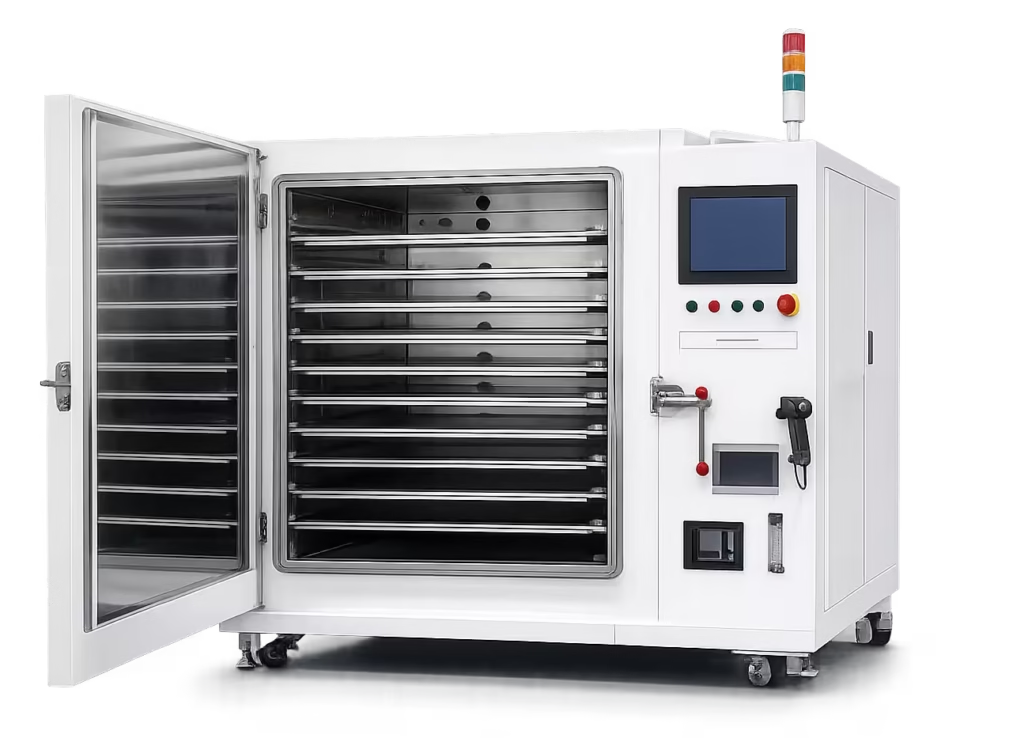
Built for chamber-based nitrogen or argon protective atmosphere processing where oxidation control, cleaner surfaces, and repeatable batch heating are key. A strong fit for customers who need atmosphere control without turning the page into a vacuum-only solution.
Best for:Oxidation-sensitive parts, clean-surface batch heating
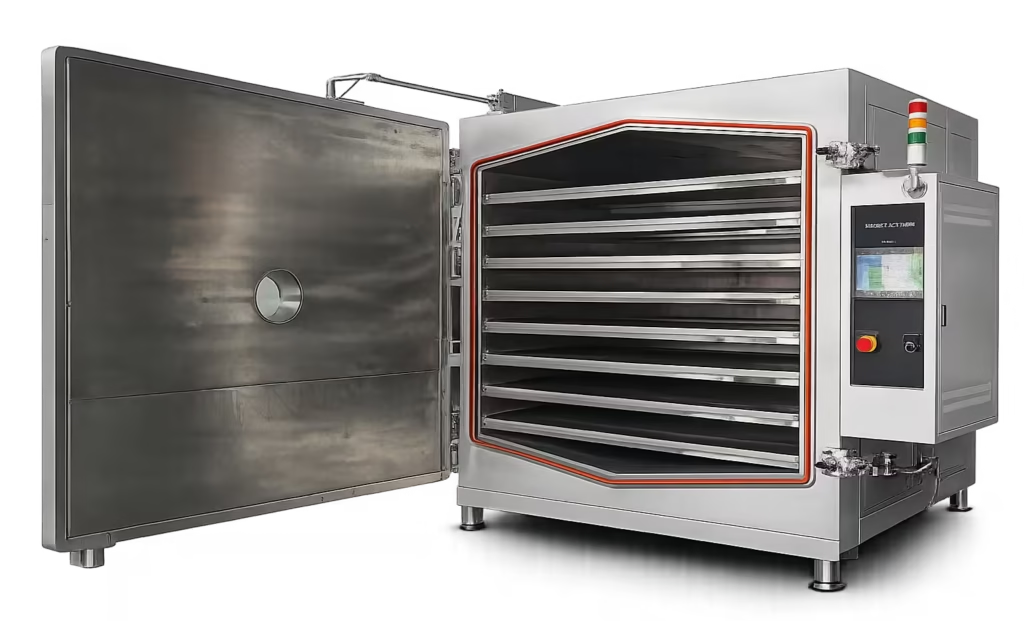
Recommended when the process needs cleaner thermal conditions, stronger oxygen reduction, and vacuum plus inert gas backfill logic. Suitable for more demanding heat treatment work where process traceability and chamber control matter.
Best for:Tight oxygen control, high-value metal parts
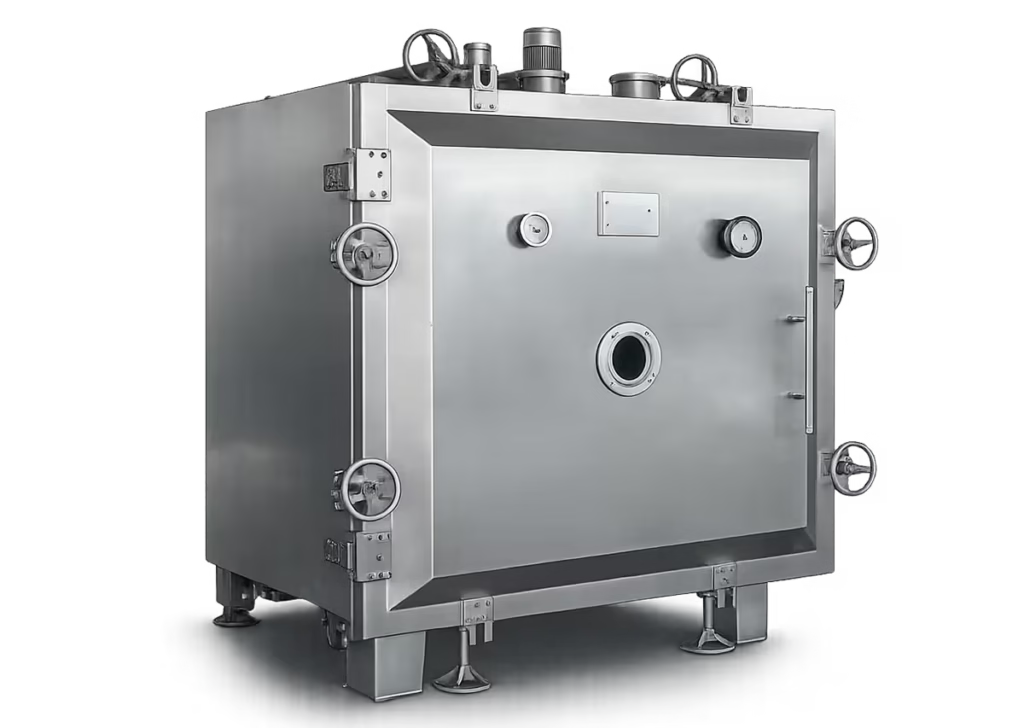
A practical choice for elevated-temperature work involving oxidation-sensitive materials, outgassing control, or specialty process development. Well suited to higher thermal requirements with stronger atmosphere management.
Best for:High-temp sensitive materials, cleaner thermal processing
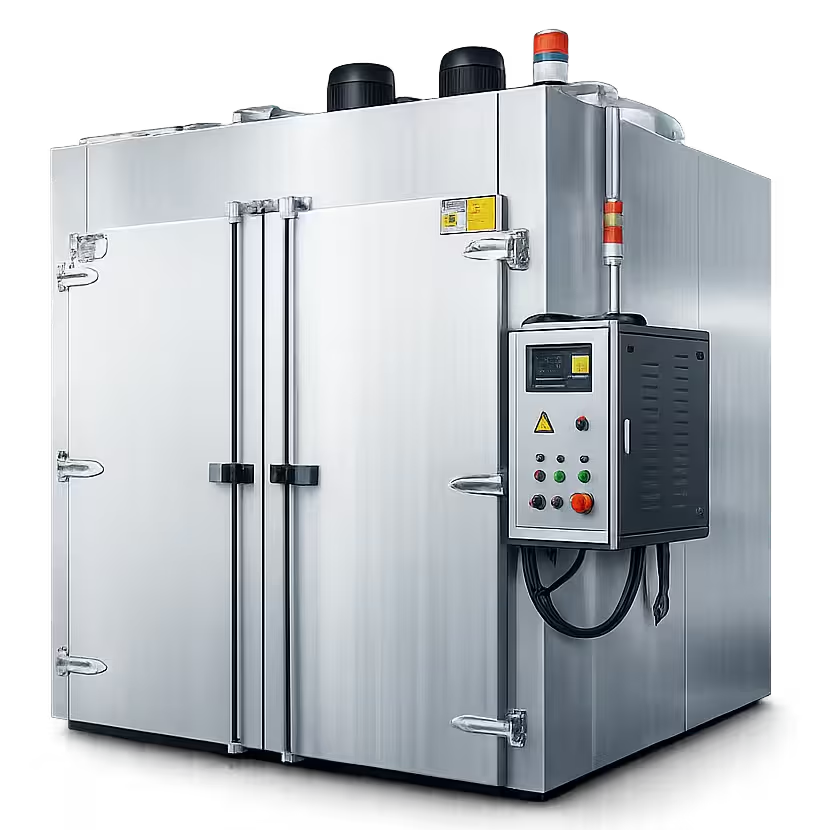
Useful for moderate-temperature drying, bake-out, preheating, and electronics-related inert gas applications. Offers flexible batch processing with custom control integration and scalable chamber configurations.
Best for:SBake-out, preheating, flexible inert-gas batches
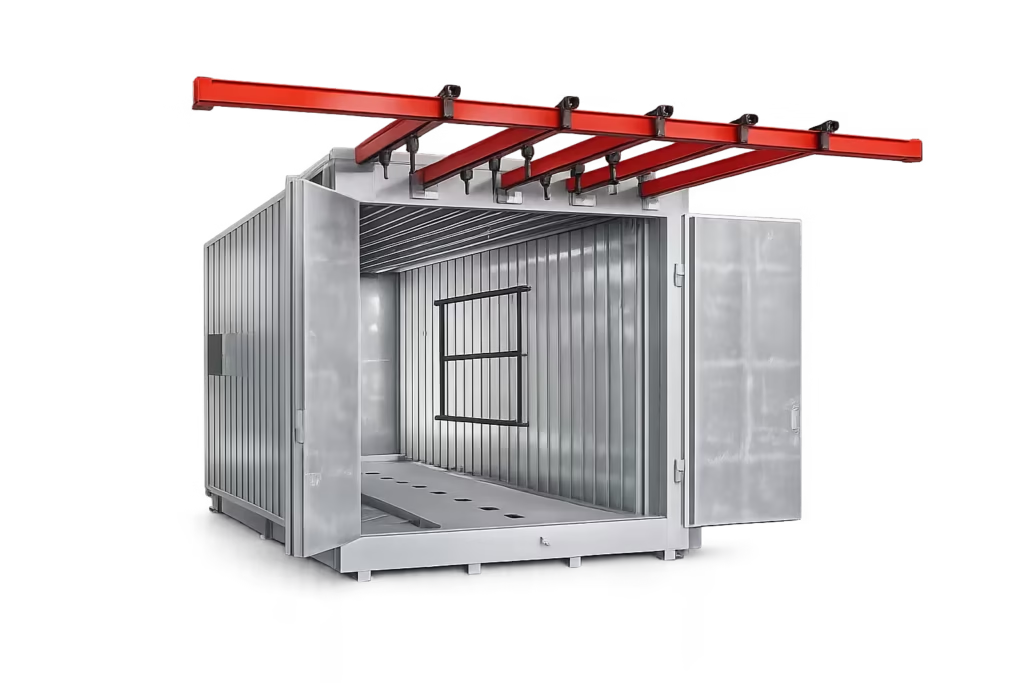
A good match for recipe-driven production where stable batch repetition, optional purge logic, and predictable thermal cycles are more important than continuous-line throughput.
Best for:Recipe-based batches, optional purge processing
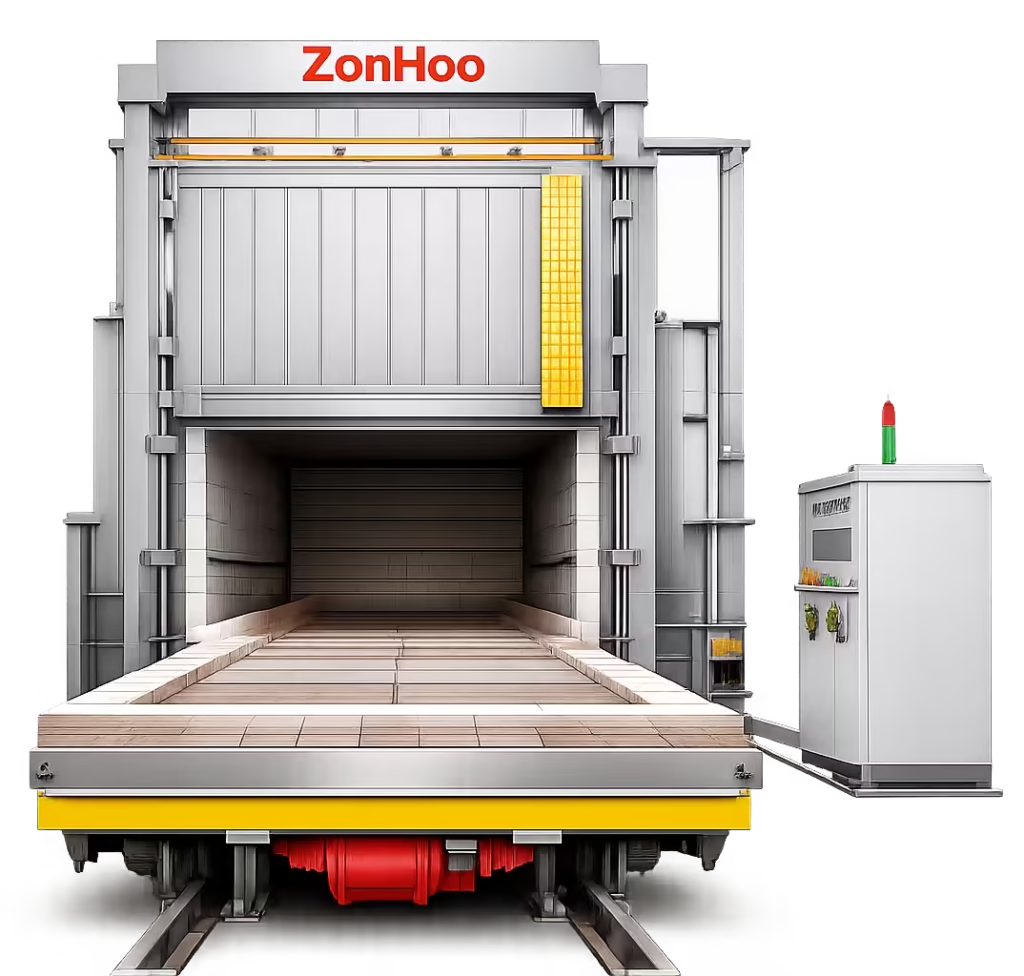
Used for protective-atmosphere annealing and similar batch heat treatment steps where surface quality, uniform heating, and reduced oxidation are part of the process target.
Best for:Protective-atmosphere annealing, reduced-oxidation soak cycles
Support Before RFQ
Process Validation and Engineering Support
In inert gas processing, chamber design, purge logic, temperature control, and production conditions all affect the result. ZonHoo supports RFQ-stage discussion and custom oven planning so the final solution aligns with your process window, utilities, and throughput goals.
- Chamber sealing and purge strategy review
- Nitrogen or argon utility planning
- Temperature range, soak profile, and cooling logic confirmation
- PLC/HMI, alarms, and data logging options
- Load, fixture, and batch consistency discussion
- RFQ support for documentation and validation scope
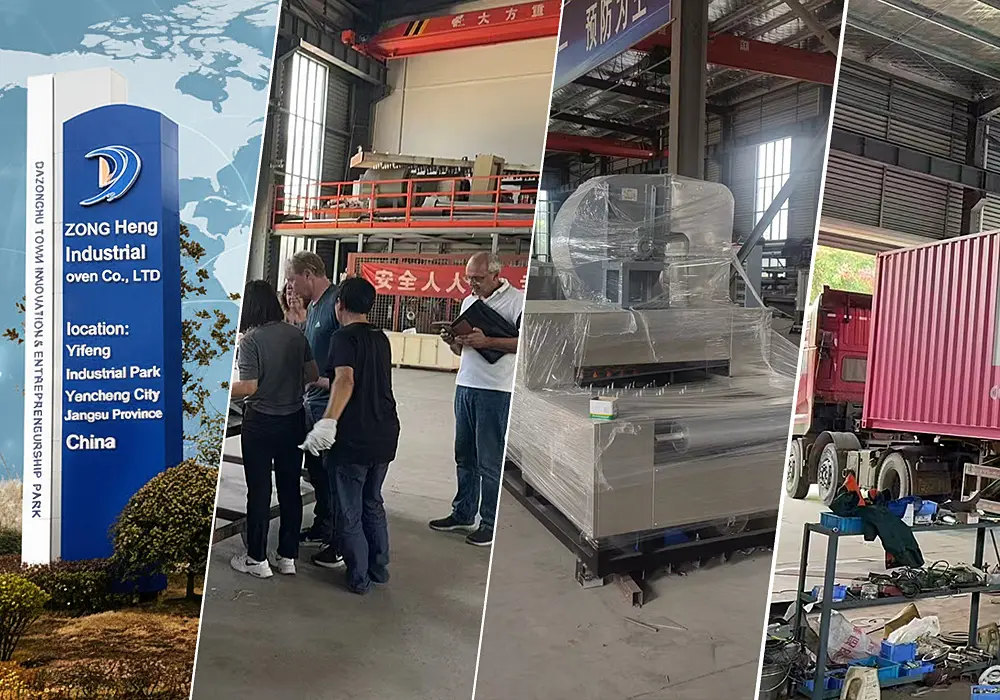
Test Your Process on Available Equipment
Frequently Asked Questions
Frequently Asked Questions About Inert Gas Processing
What is inert gas processing in an industrial oven?
It is a thermal process carried out in a chamber where nitrogen, argon, or another inert gas is used to reduce oxygen exposure during heating. This helps support oxidation-sensitive drying, annealing, bake-out, or protective atmosphere batch processing.
Can inert gas processing reduce oxidation and discoloration?
Yes. In many batch heating applications, a controlled inert atmosphere can help reduce scale, discoloration, and surface-related defects compared with open-air heating, especially for oxidation-sensitive materials.
When should nitrogen be used instead of argon?
Nitrogen is commonly used for many industrial purge and protective atmosphere applications because it is widely available and cost-effective. Argon may be considered when the process or material requires a more inert environment or has stricter compatibility requirements.
Do I need a vacuum oven or an inert gas oven for my process?
That depends on how tightly oxygen must be controlled, your temperature range, product sensitivity, and whether vacuum evacuation is part of the process window. Some applications are well served by inert gas purge alone, while others benefit from vacuum plus inert gas backfill.
Can ZonHoo customize an oven for inert gas processing?
Yes. ZonHoo can support post-curing applications with custom chamber sizes, loading formats, airflow directions, and control configurations based on process requirements.
Tell Us About Your Inert Gas Processing Requirement
If your process involves nitrogen or argon atmosphere heating, oxidation-sensitive materials, moisture control, or protective atmosphere batch work, send us your process basics. ZonHoo can help define a practical oven direction based on temperature range, loading style, throughput, and chamber control needs.
What to Prepare
- Part material and surface requirement
- Temperature range and soak time
- Batch size or throughput target
- Available gas type and plant utility conditions
What We Can Discuss
- Oven direction and chamber configuration
- Purge logic, sealing, and control options
- Safety interlocks and data logging
- RFQ scope, customization path, and lead time