

Industrial Ovens for Composite Curing
Composite curing is a controlled thermal process used to convert resin systems into stable, high-performance composite structures. In industrial production, the right oven helps manage resin reaction, batch size, surface consistency, and part-to-part repeatability across laminates, molded components, tools, and finished assemblies. For large panels, molds, tools, and vacuum-bagged assemblies, an industrial walk-in oven for large composite curing provides the chamber space, airflow control, and loading flexibility required for stable thermal processing.
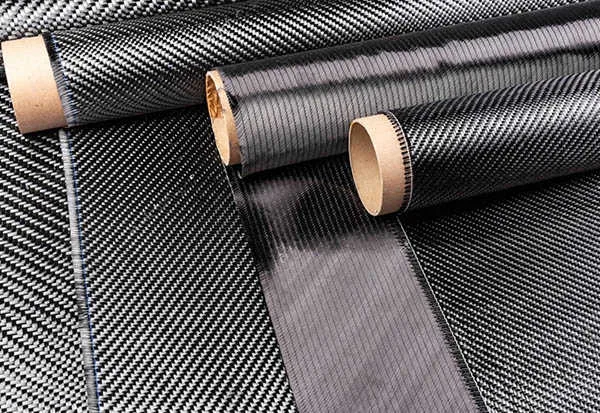
Why This Process Matters
Why Composite Curing Requires Controlled Thermal Processing
Composite curing is not simply about heating a part. It is a process window where resin chemistry, laminate thickness, airflow distribution, and fixture loading directly affect final mechanical performance. A stable industrial oven helps manufacturers control cure completion, reduce variability, and support repeatable production quality.
Resin Crosslinking Must Reach the Intended Cure State
Controlled heat allows epoxy, polyester, vinyl ester, phenolic, and other resin systems to follow the required cure profile and reach the target material properties.
Laminate Stability Depends on Uniform Temperature Exposure
Uneven heating can create cure imbalance, distortion, internal stress, or inconsistent performance across composite panels, molded parts, and structural assemblies.
Large Tools and Thick Parts Need Managed Ramp and Soak Cycles
Composite tooling, multi-layer laminates, and thicker sections often require carefully controlled heating rates to reduce thermal shock, exotherm risk, and dimensional deviation.
Documented Cycles Support QA and Process Repeatability
Industrial production often requires recorded recipes, operator consistency, and traceable thermal data for internal quality control and customer approval processes.
Typical Applications
Where Composite Curing Is Commonly Used
Composite curing is widely used wherever resin-based materials must achieve stable structure, strength, and dimensional consistency. It is common in both prototype development and repeatable industrial manufacturing.
Carbon Fiber Laminates and Panels
Used for structural panels, lightweight assemblies, covers, and reinforced components where stable cure cycles support mechanical consistency.
Glass Fiber and FRP Components
Common in fiberglass housings, industrial covers, utility parts, and corrosion-resistant structures that depend on uniform resin curing.
Composite Tooling and Molds
Used to cure composite tools, lay-up molds, fixtures, and large-format tooling that require dimensional stability, repeatable thermal treatment, and enough chamber space for cart or floor loading.
Sandwich Panels and Honeycomb Assemblies
Applied in panel systems where skins, cores, and resin systems must be heated in a controlled way to maintain bond quality and part geometry.
Filament-Wound or Reinforced Composite Parts
Suitable for pipes, cylindrical components, and reinforced structures where controlled temperature exposure improves cure consistency.
Compression-Molded or Batch-Processed Composite Parts
Used for medium-volume or repeatable part families that benefit from batch recipes, fixture loading, and production-friendly thermal control.
EQUIPMENT DIRECTION
Recommended ZonHoo Oven Solutions for Composite Curing
Composite curing projects vary by resin chemistry, part geometry, and production scale. ZonHoo helps match the oven structure to your actual curing workflow, from small precision batches to large tool and panel processing.
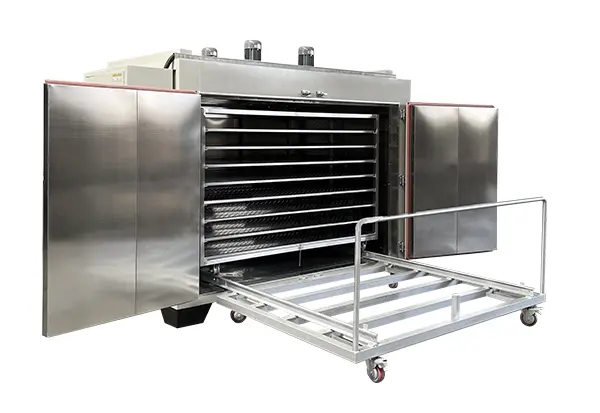
A practical choice for composite curing lines that need repeatable ramp-and-soak control for small to medium parts. Suitable for varied resin systems, development work, and controlled batch production.
Best for:recipe-based curing, flexible batch loading, mixed product runs
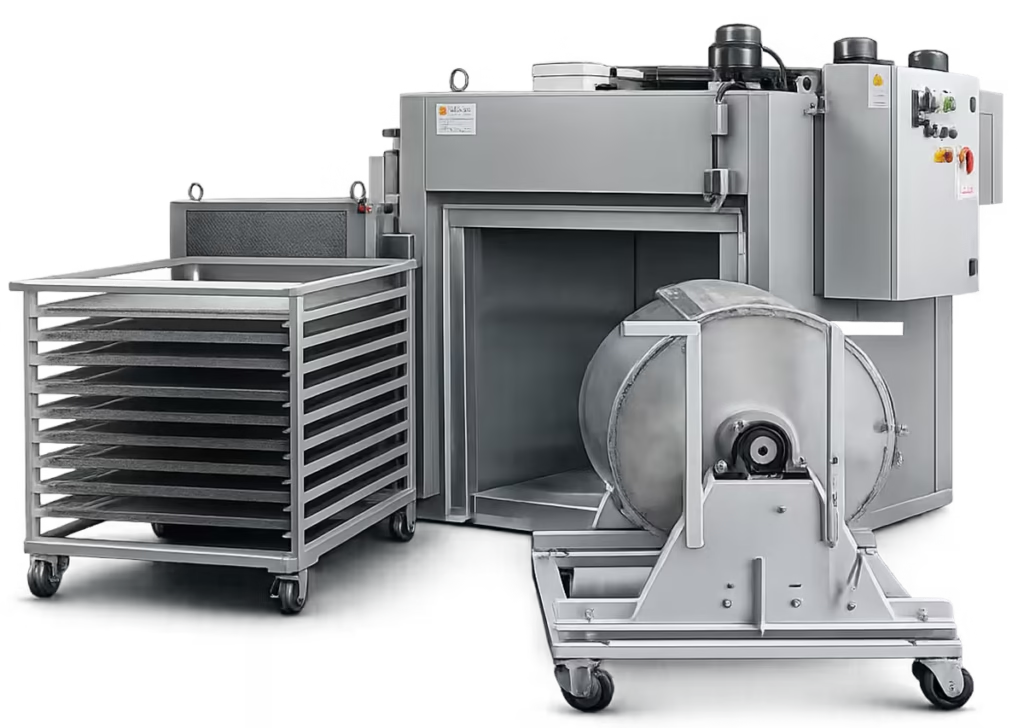
Designed for stable batch throughput where trays, fixtures, or organized loading patterns are used across repeat jobs. Helps standardize cycle execution and improve operator consistency.
Best for:repetitive composite part production, organized batch flow, consistent results
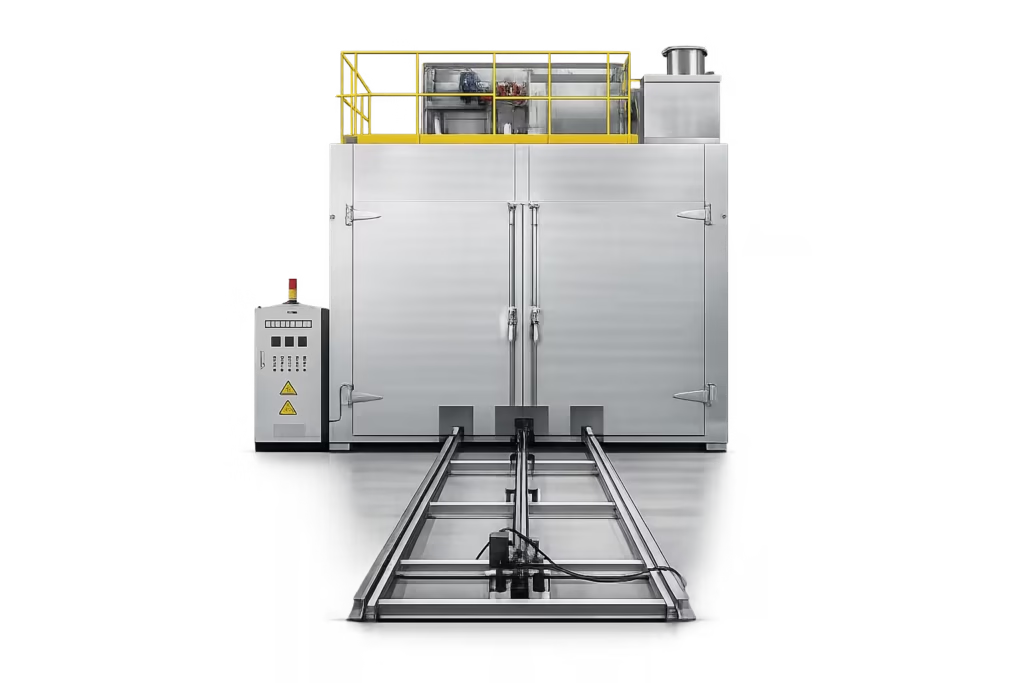
A strong fit for heavy tools, loaded carts, and higher-mass composite parts that are easier to move on wheeled bases or rails. Improves handling safety and loading efficiency.
Best for:heavy composite tools, cart-loaded structures, large production fixtures
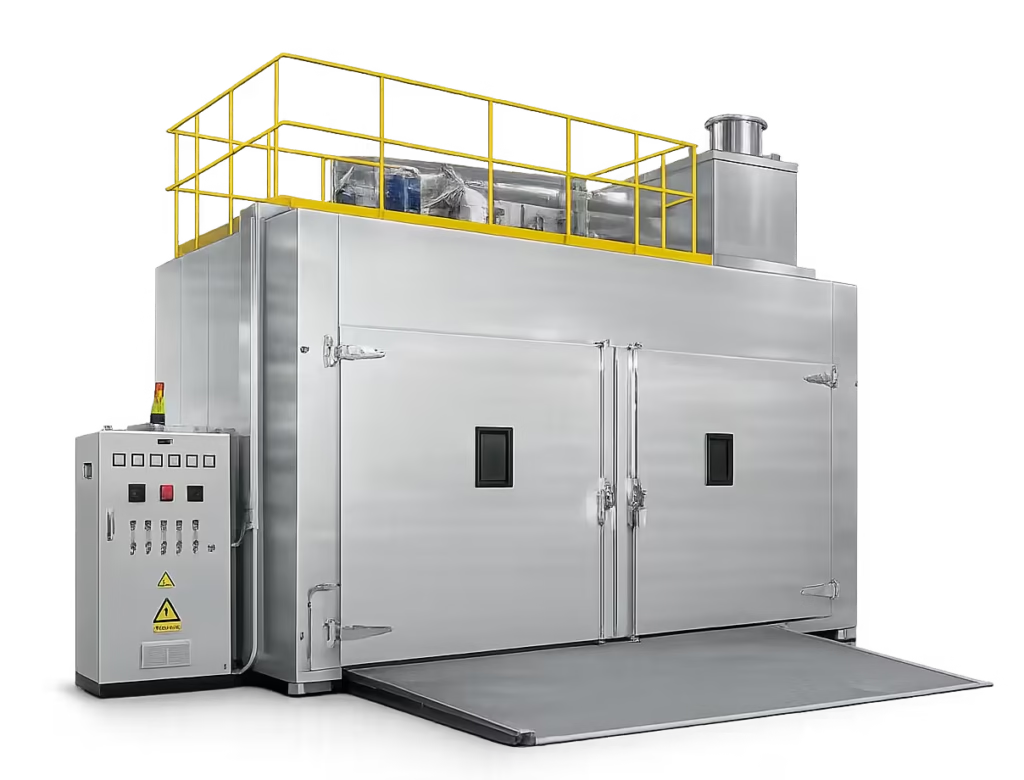
Ideal for large composite panels, molds, tools, fixtures, and vacuum-bagged assemblies that need more chamber space than a standard batch oven. A walk-in oven allows carts, racks, or floor-loaded parts to enter the heated chamber for easier curing and post-curing.
Best for:large panels, tooling, molds, oversized assemblies
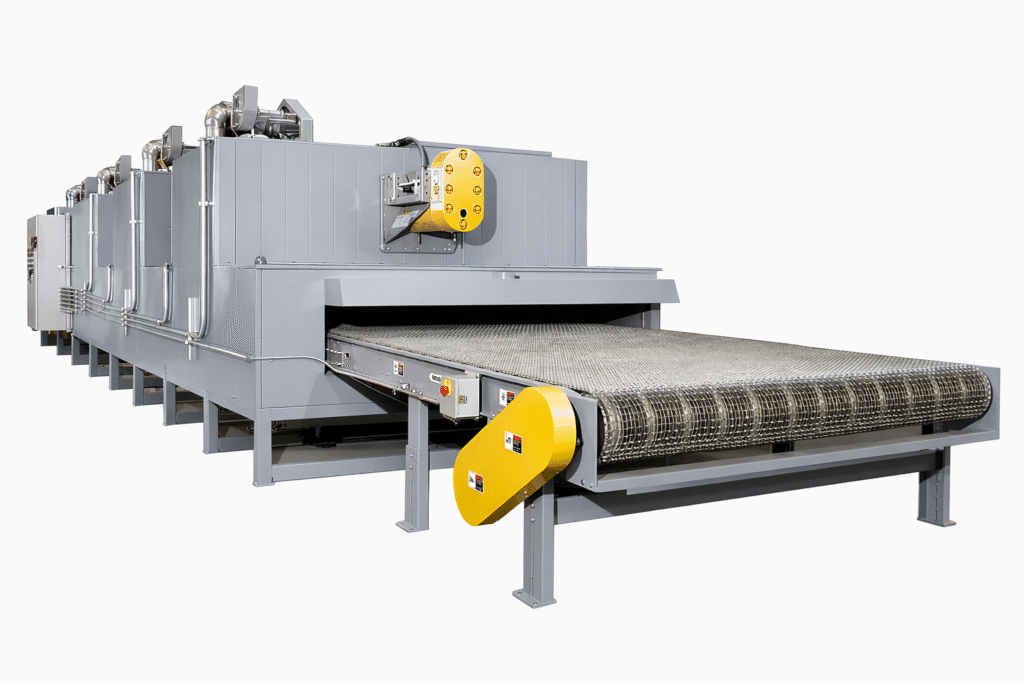
Best suited to standardized composite part families that move through production in a continuous flow. Supports repeatable throughput where cycle structure and handling rhythm are clearly defined.
Best for:inline production, higher throughput, repetitive smaller parts
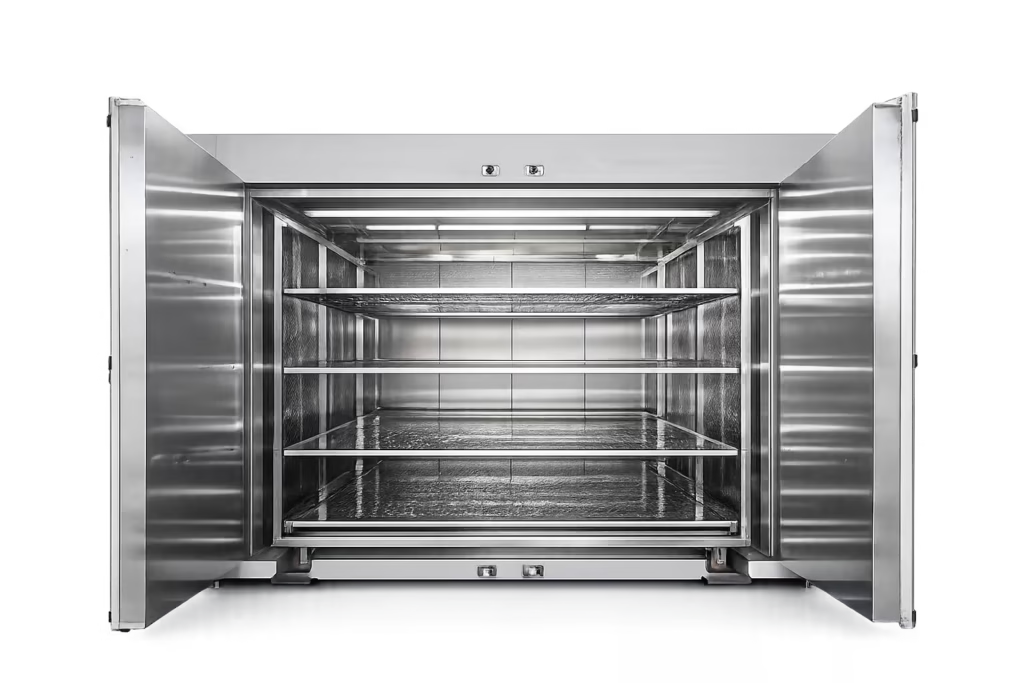
Suitable where composite curing involves elevated-temperature resin systems, tooling bake cycles, or other processes requiring stronger thermal capability and controlled high-temperature operation.
Best for:higher-temperature cure cycles, tooling treatment, specialty resin systems
Support Before RFQ
Process Validation and Engineering Support
Composite curing performance depends not only on oven temperature, but also on airflow path, loading arrangement, recipe design, and how the process is verified. ZonHoo supports customers from early process review through oven selection and engineering confirmation.
- Review oven size, loading method, and target cure profile
- Confirm airflow direction for composite parts and tooling layouts
- Define fixture, rack, basket, cart, or conveyor loading method
- Build recipe logic for ramp, soak, alarm, and batch traceability
- Configure controls, data logging, and operator guidance functions
- Support FAT/SAT discussion, acceptance criteria, and engineering review
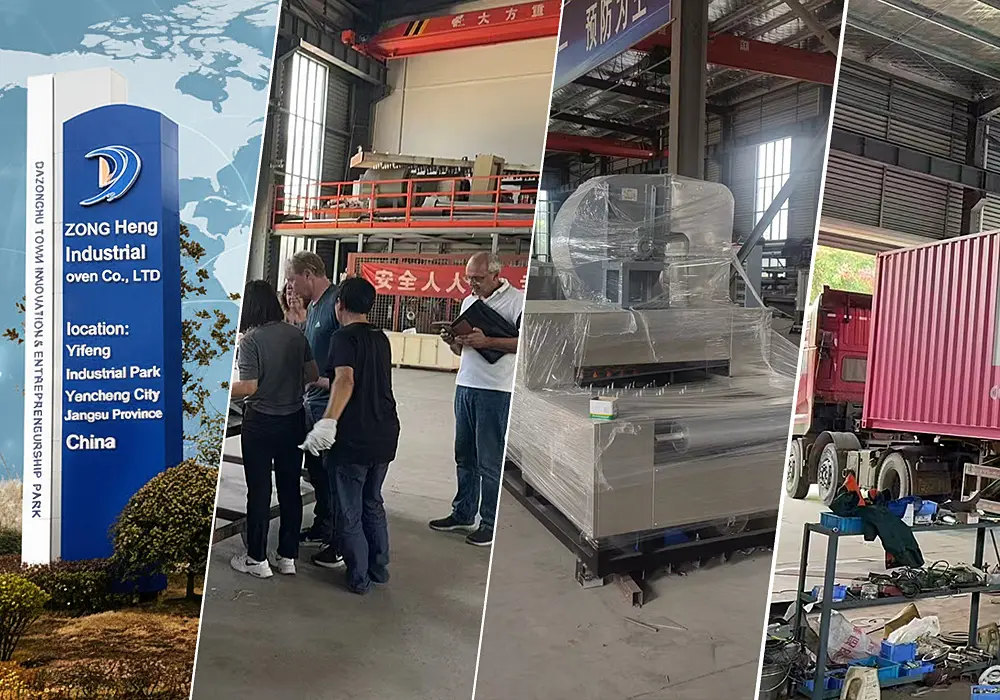
Test Your Process on Available Equipment
Frequently Asked Questions
Frequently Asked Questions About Composite Curing
What is composite curing in industrial manufacturing?
Composite curing is the controlled heating of resin-based composite materials so the resin system reaches its intended cure state. The process helps develop mechanical properties, dimensional stability, and production repeatability.
What temperature range is common for composite curing?
It depends on the resin system and product design. Many composite curing applications operate roughly between 80°C and 220°C, while some specialized systems may require higher temperatures or multi-stage cycles.
Why is airflow important in a composite curing oven?
Airflow affects how evenly heat reaches the part, tool, and fixture. Poor airflow distribution can create hot and cold zones, which may lead to uneven cure, distortion, or inconsistent part quality.
Can composite curing be done in an oven instead of an autoclave?
Yes, many composite parts, tools, post-processing cycles, and out-of-autoclave applications can be cured in an industrial oven. The exact method depends on the material system, process requirement, and final quality target.
When should I choose a walk-in oven instead of a batch cabinet oven?
Choose a walk-in oven when your composite parts, molds, tooling, or vacuum-bagged assemblies are too large for a cabinet oven, or when carts, racks, pallets, or floor loading are required. For large composite curing projects, a walk-in oven provides more usable chamber space, easier loading access, and better layout flexibility than a smaller batch cabinet oven.
Can ZonHoo support recipe setup, data logging, and validation planning?
Yes. ZonHoo can discuss chamber sizing, airflow direction, control configuration, recipe structure, and documentation needs so the oven solution better matches your composite curing workflow.
Tell Us About Your Composite Curing Process
To help us size the right oven layout, please share part dimensions, resin system, target temperature range, loading method, and production goals. For large composite parts, tooling, molds, or vacuum-bagged assemblies, we can also evaluate whether a walk-in oven layout is more suitable for your curing process.
What to Prepare
- Part size, shape, and approximate weight
- Resin system or material type
- Required cure temperature and hold time
- Batch size, throughput, or shift target
- Fixture, tray, rack, basket, or cart method
- Any special notes about tooling, thickness, or documentation
What We Can Discuss
- Recommended oven direction based on your process
- Chamber size and workable loading layout
- Airflow, heating method, and control strategy
- Data logging, alarms, and operator support level
- Validation expectations and project review scope