

Industrial Ovens for Electric Motor Manufacturing
Electric motor manufacturing often involves controlled thermal processing across winding, insulation, impregnation, component heating, and selected assembly stages. From stator drying and varnish curing to rotor preheating and housing preparation, manufacturers need industrial ovens that deliver stable temperature control, repeatable results, and flexible production support.
ZonHoo provides industrial oven solutions for electric motor manufacturers. From batch and conveyor systems to larger chamber and controlled-atmosphere options, we help match oven type, chamber size, airflow design, and control system to your actual process, load style, and plant layout.
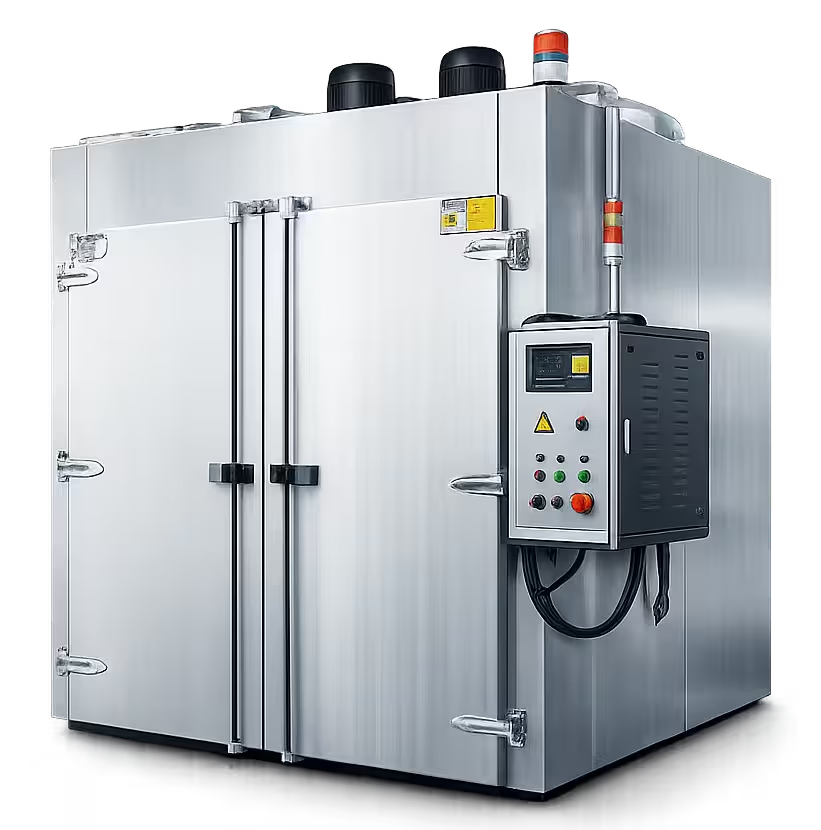
Industrial Electric Oven
For winding drying, varnish curing, insulation bake, and general motor-component heating, industrial electric ovens are often the most practical starting point. They are suitable for drying, curing, preheating, and repeatable thermal cycles where controllability and clean electric heating matter.
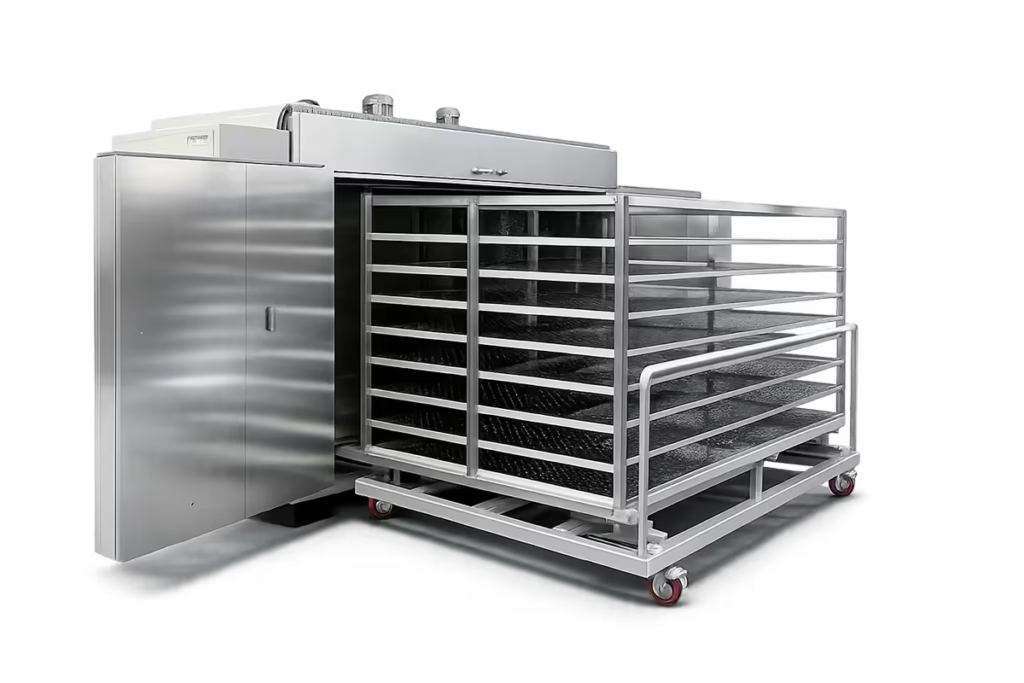
Industrial Batch Oven
Batch ovens are suited to electric motor plants handling mixed part types, variable lot sizes, and staged production schedules. They are commonly used for winding drying, preheating, insulation-related processing, and general thermal support where flexibility is more important than continuous flow.
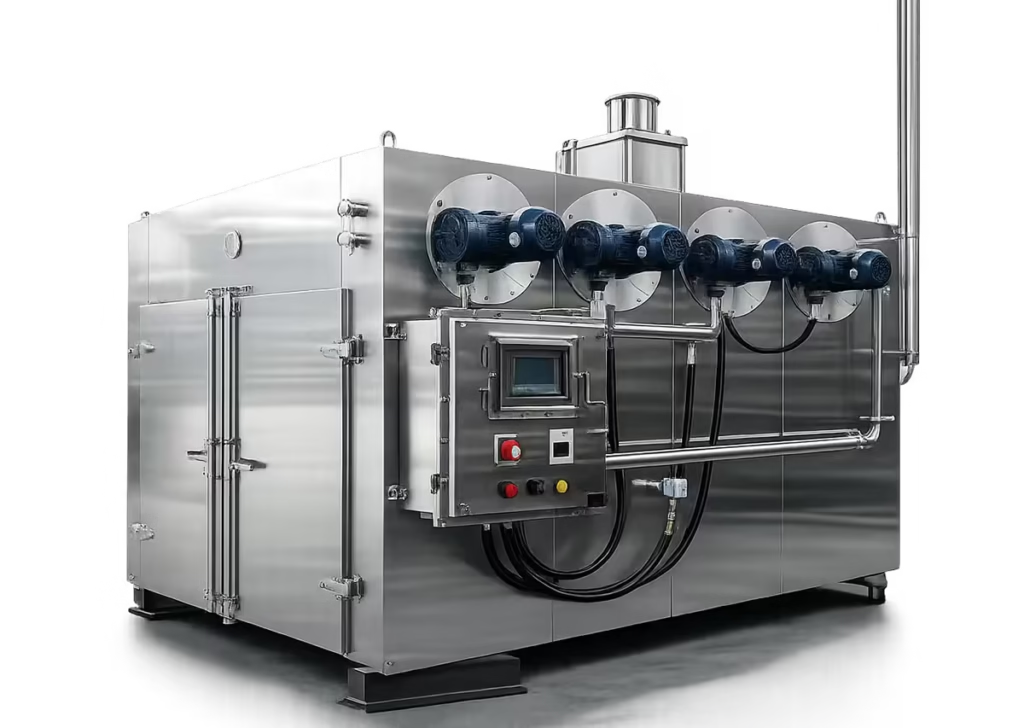
For selected impregnation or insulation-related processes, a vacuum curing furnace becomes relevant when moisture removal, reduced air entrapment, or tighter process control under reduced pressure is important. It is typically considered for specialized motor-component processing rather than general-purpose heating.
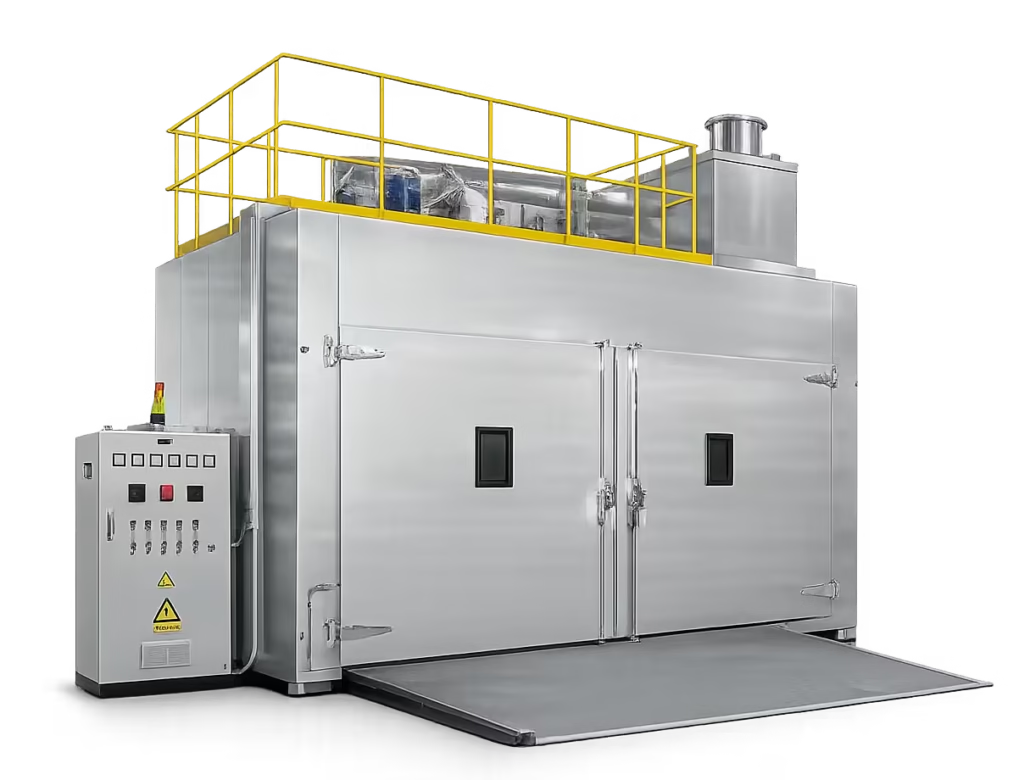
Walk-In Oven
Walk-in ovens are used when electric motor production requires larger chamber access, cart loading, or fixture-based processing of bigger stators, housings, or assemblies. They are a practical option for staged processing and applications where operators need easier access during loading and unloading.
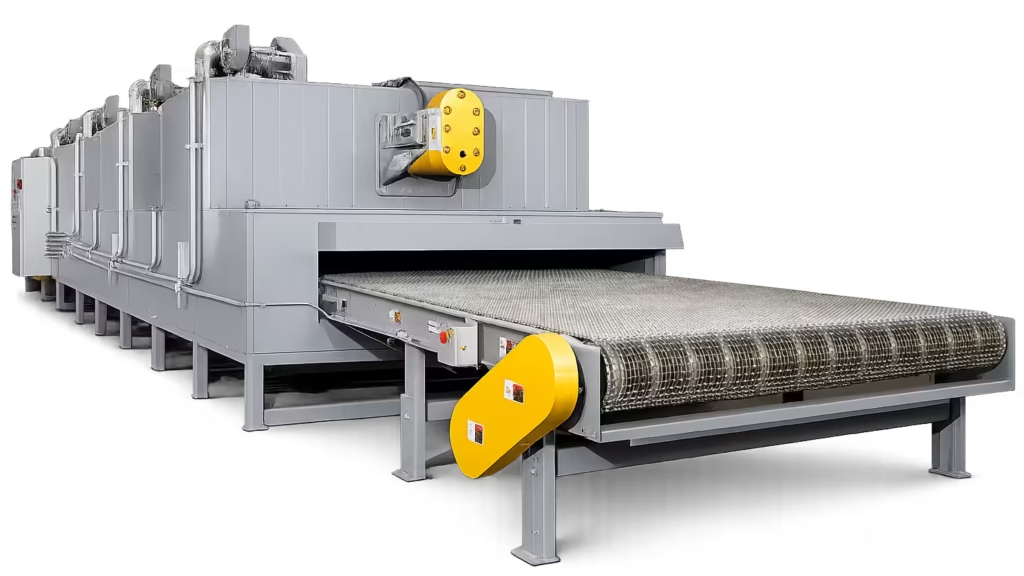
Industrial Conveyor Oven
For higher-volume electric motor manufacturing, conveyor ovens support repeatable throughput and easier line integration. They are commonly considered for continuous drying, curing, heating, or coating-related processes where takt time and production rhythm are critical.
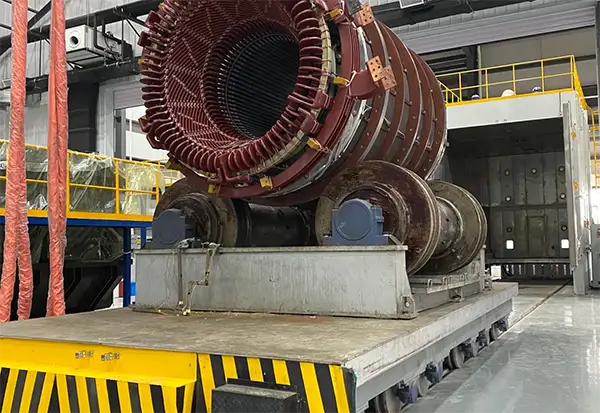
Inert Gas Ovens
When oxidation control matters for selected motor components or functional parts, inert gas ovens provide a more controlled heating environment. They are used for applications where air atmosphere may affect surface condition, material behavior, or process stability.
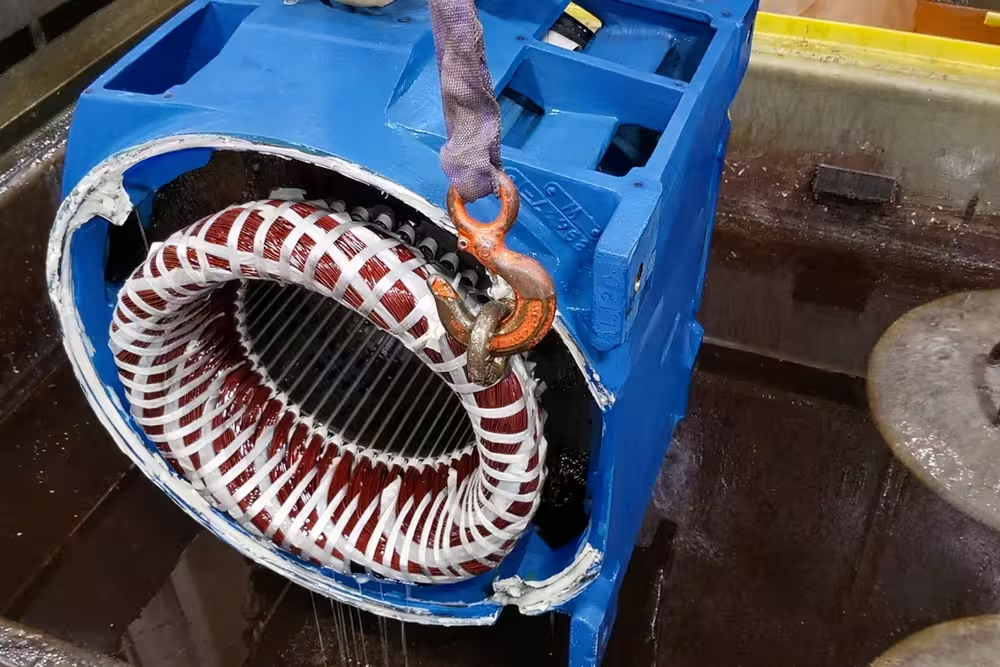
Winding Drying, Varnish Curing & Insulation Bake
Electric motor manufacturing often includes controlled drying or curing after winding, dipping, coating, or impregnation. Stable airflow and repeatable ramp-and-hold control help reduce residual moisture, support insulation performance, and improve product consistency.
Typical applications include stator winding drying, varnish curing, insulation slot liner bake, impregnated component drying, and bonded winding assembly cure.
Explore related solutions:
Typical processes: winding drying, varnish curing, resin-related bake, insulation cure, post-impregnation drying.
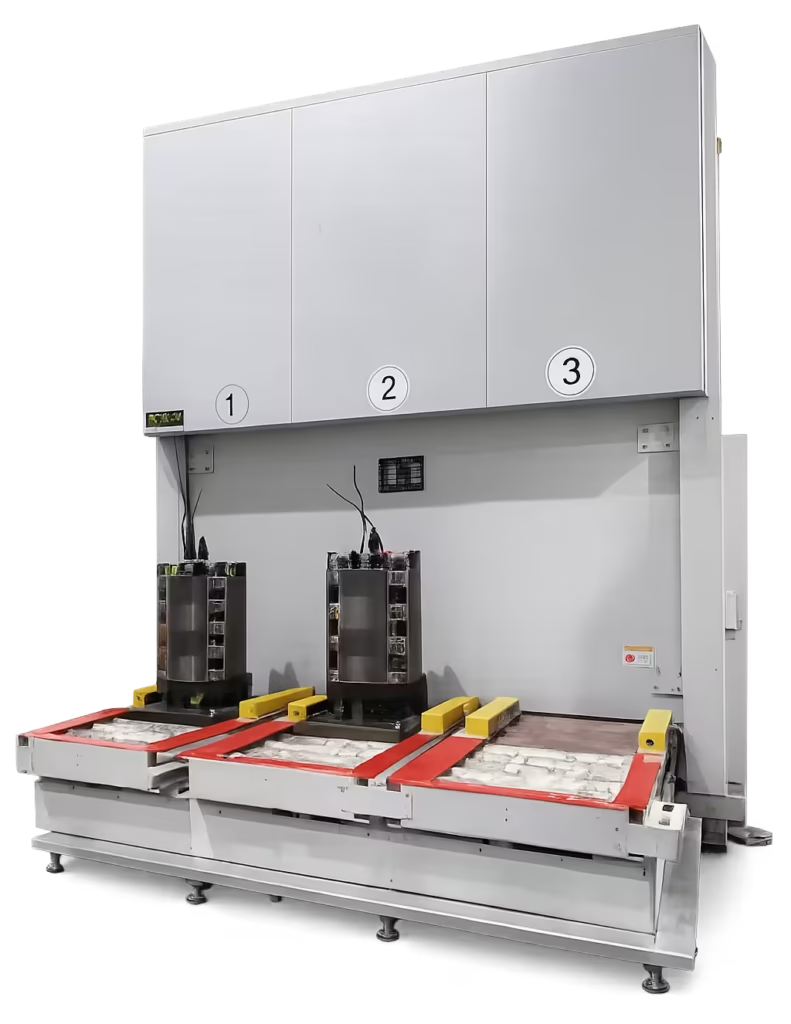
Rotor, Stator & Housing Preheating
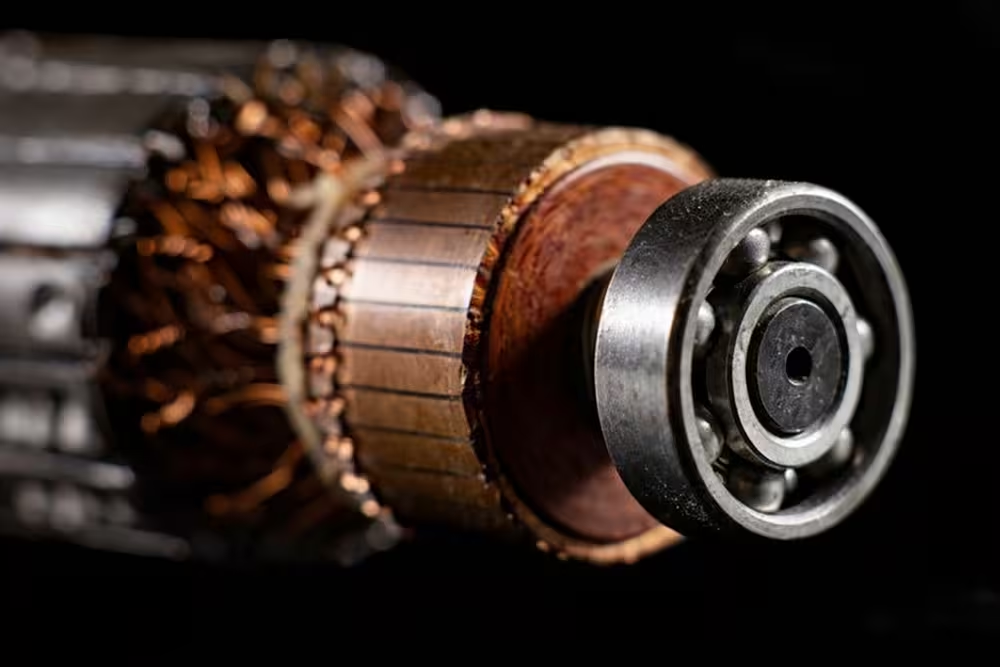
Many electric motor components benefit from preheating before assembly, coating, fitting, or downstream production steps. Controlled preheating helps stabilize parts, improve fit-up, and support repeatable assembly or coating quality.
Typical applications include rotor and stator preheating, housing heating before assembly, fixture heating, and component warming before bonding or coating.
Typical processes: preheating before press fit, assembly heating, coating preparation, general component conditioning.
Explore related solutions:
EV Motor Components & Functional Part Thermal Support
As EV drive systems expand, electric motor production increasingly includes thermal processing for insulation systems, housings, trays, covers, and other EV-related components. Selected metal parts may also require support processes such as tempering, stress relieving, or controlled-atmosphere heating to improve stability and performance consistency.
Typical applications include EV motor component drying, insulation-related curing, functional part preheating, and heat treatment support for selected structural or functional components.
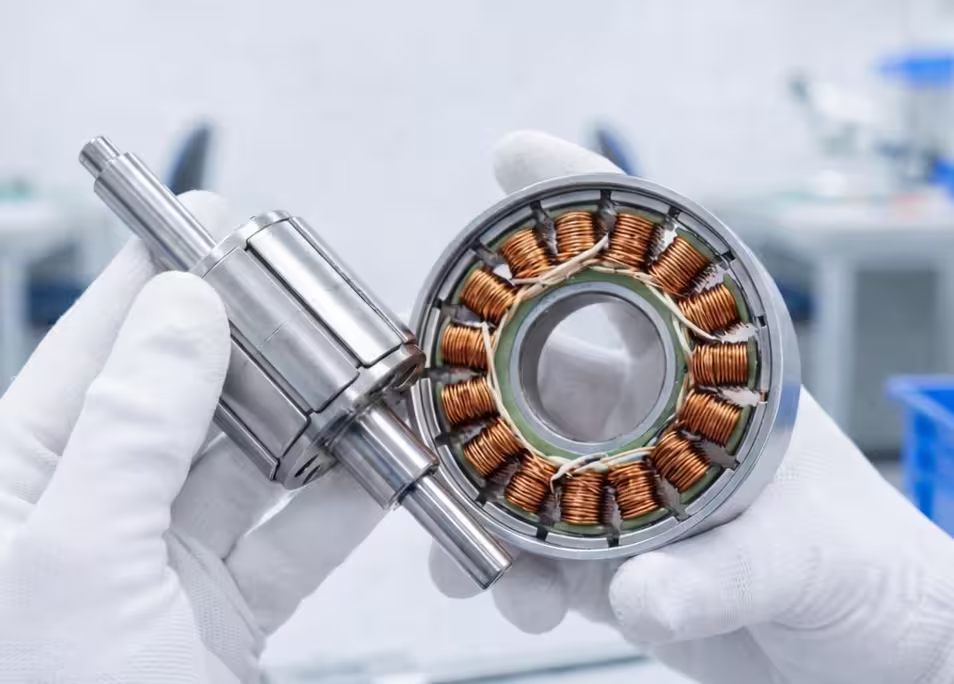
Typical processes: motor drying, insulation curing, controlled heating, tempering support, stress relieving support.
Explore related solutions:
How to Match the Right Oven to Electric Motor Production
Selecting the right oven depends on production type, load style, chamber access, and process requirements.
| Production need | Recommended oven |
|---|---|
| Flexible batch drying and curing | Industrial Batch Oven |
| General winding bake and insulation cure | Industrial Electric Oven |
| Continuous or higher-volume production | Industrial Conveyor Oven |
| Large stators, housings, or cart-loaded assemblies | Walk-In Oven |
| Reduced-pressure curing or moisture-sensitive processing | Vacuum Heat Treat Oven |
| Oxidation-sensitive thermal cycles | Inert Gas Ovens |
Related Solutions & Guides
- Stable temperature control
- Repeatable winding drying and curing
- Flexible loading for stators, rotors, and housings
- Batch or continuous production options
- Chamber sizing based on part geometry
- Support for drying, preheating, and curing
- Controlled-atmosphere options for selected processes
- PLC / HMI integration (opt)
Need help matching the right oven to your electric motor process, load style, or production layout?